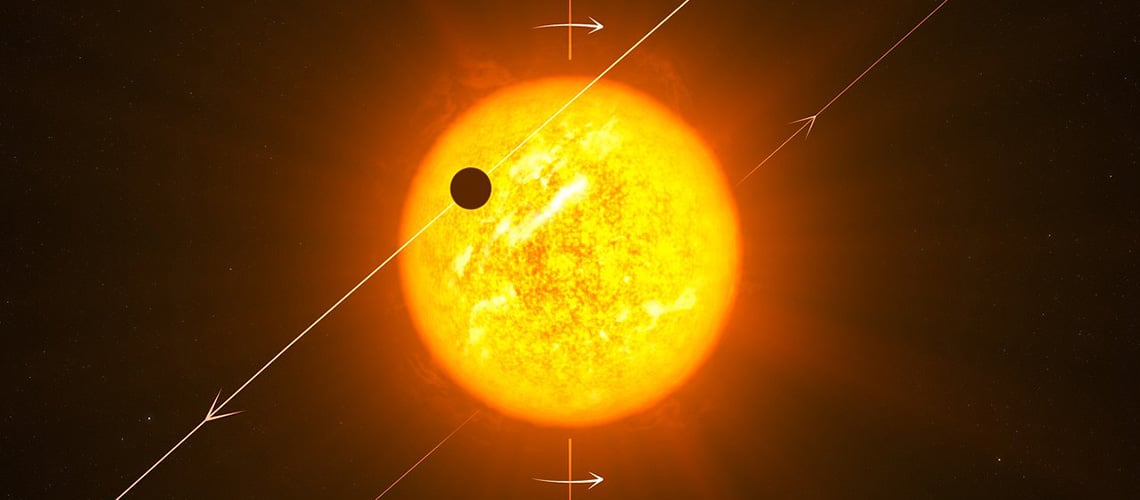
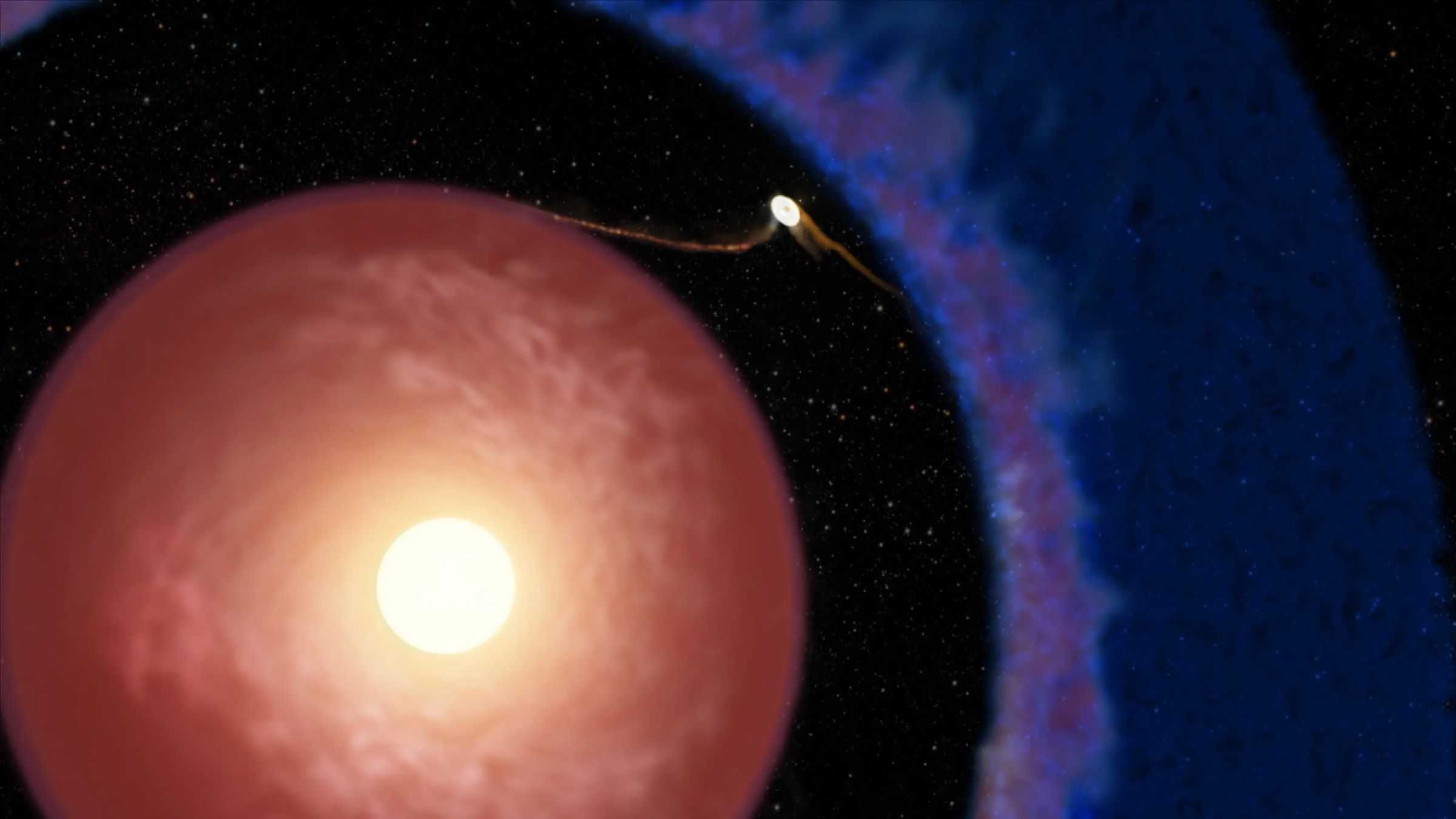
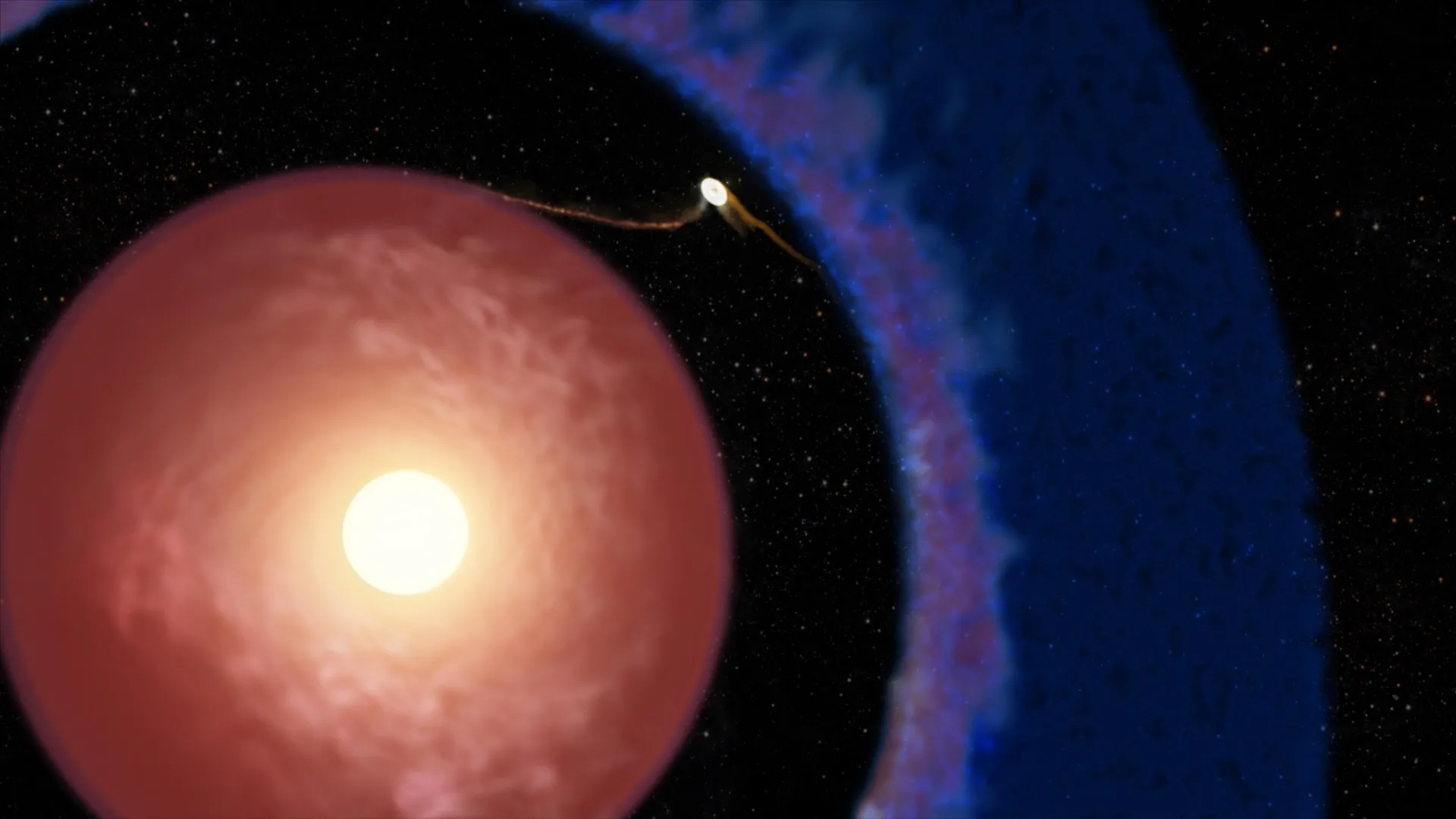
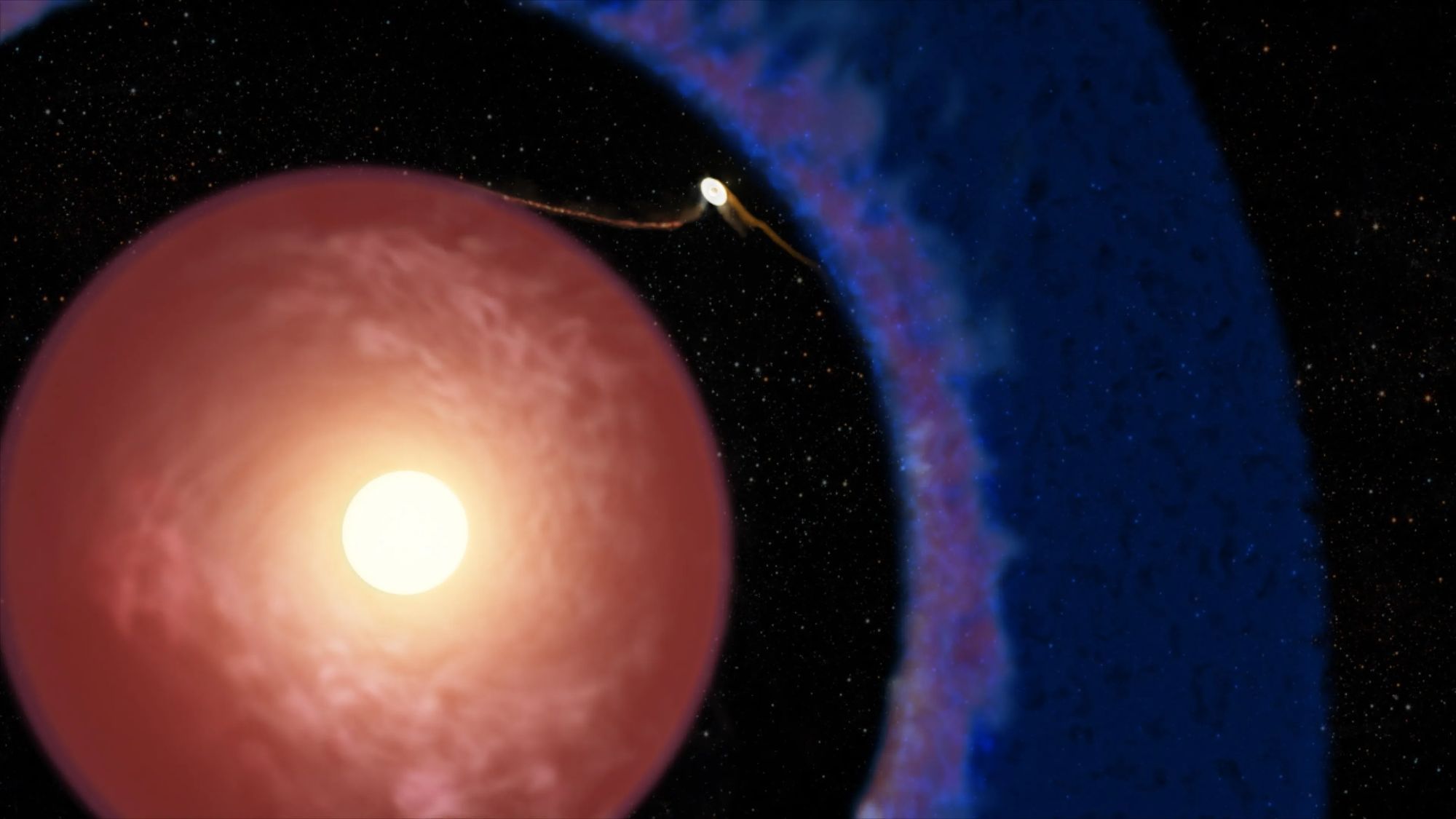
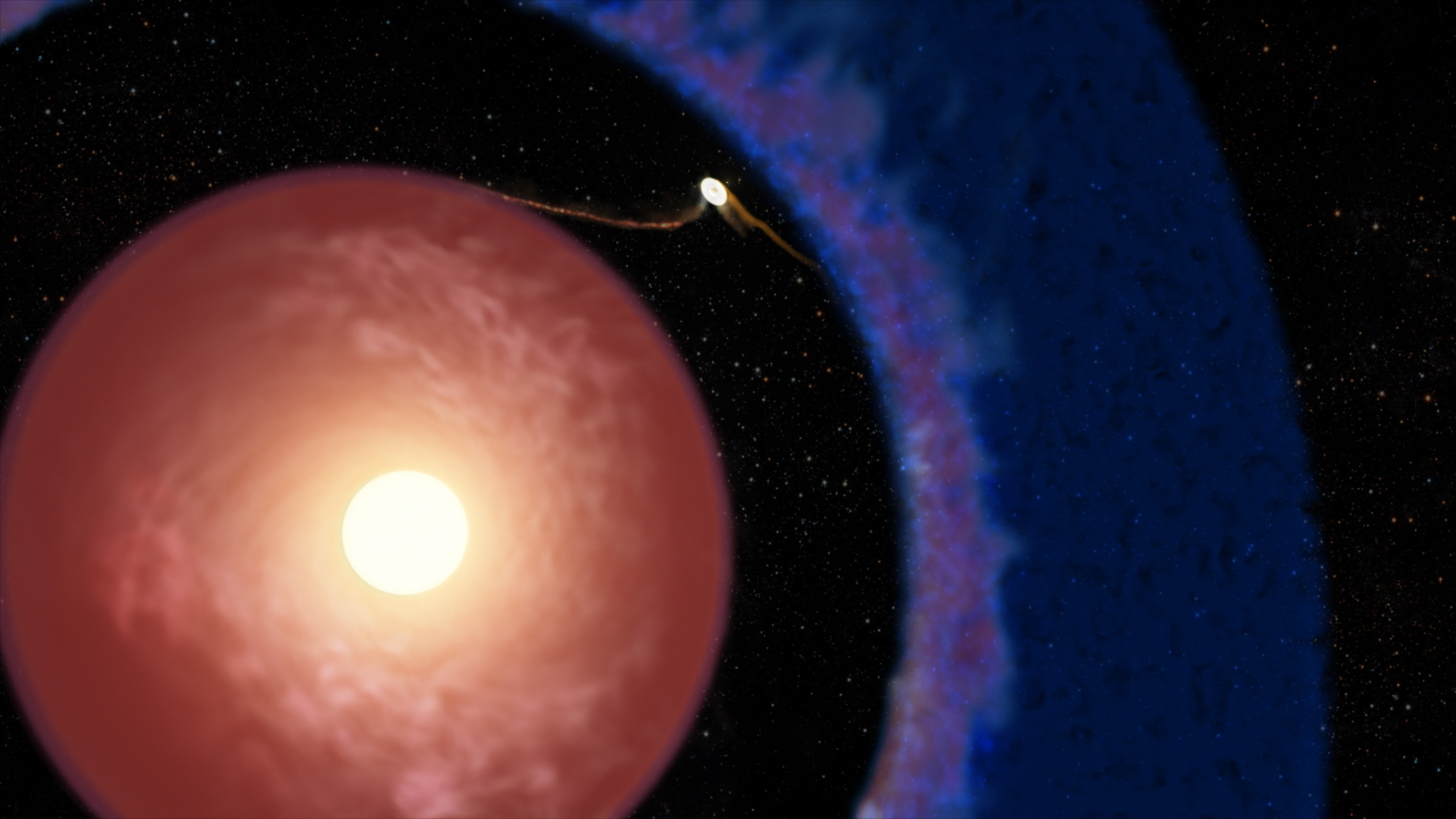
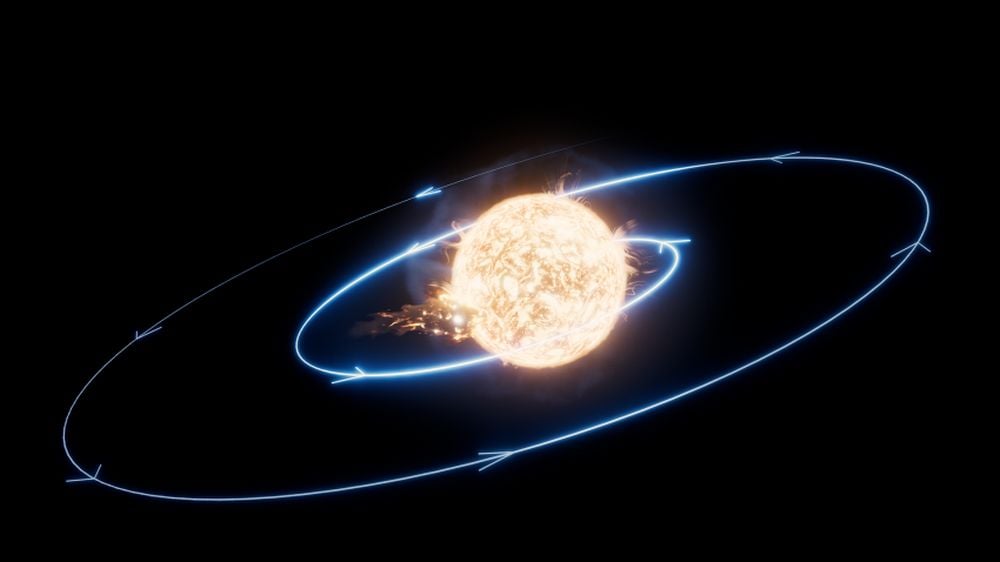
A backwards orbit is a smoking gun for a turbulent past, hinting at a close encounter or migration that flipped the planet and revealing how planetary systems get scrambled after they form.
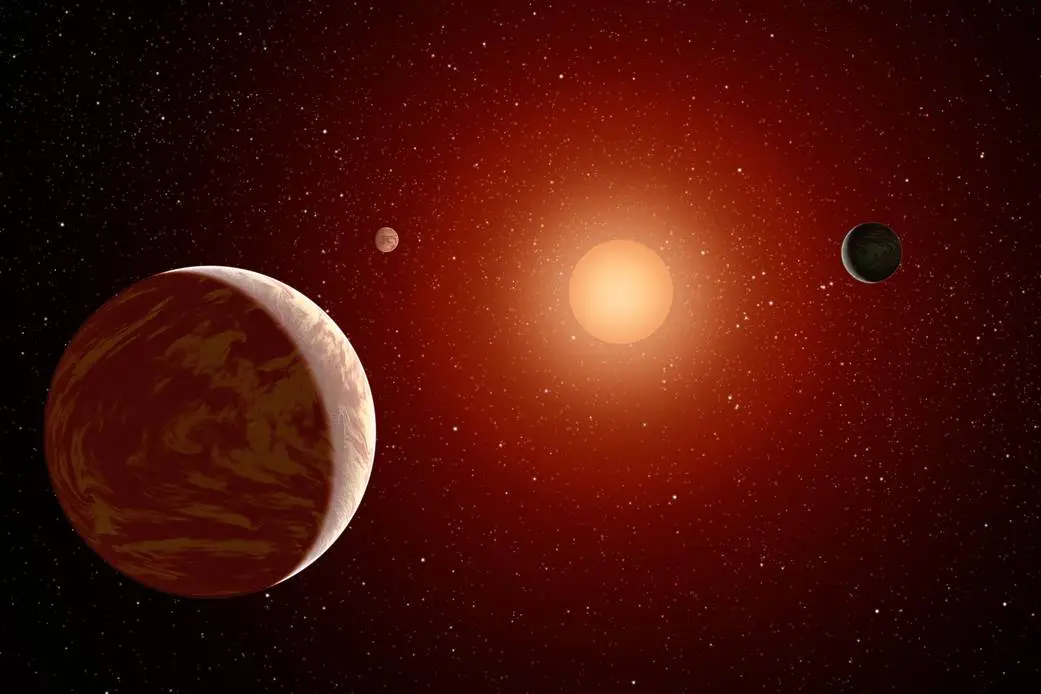
Planets around hot, massive stars are notoriously hard to spot, so reading the star's own vibrations to find one in the habitable zone could open up a whole new class of worlds to study.
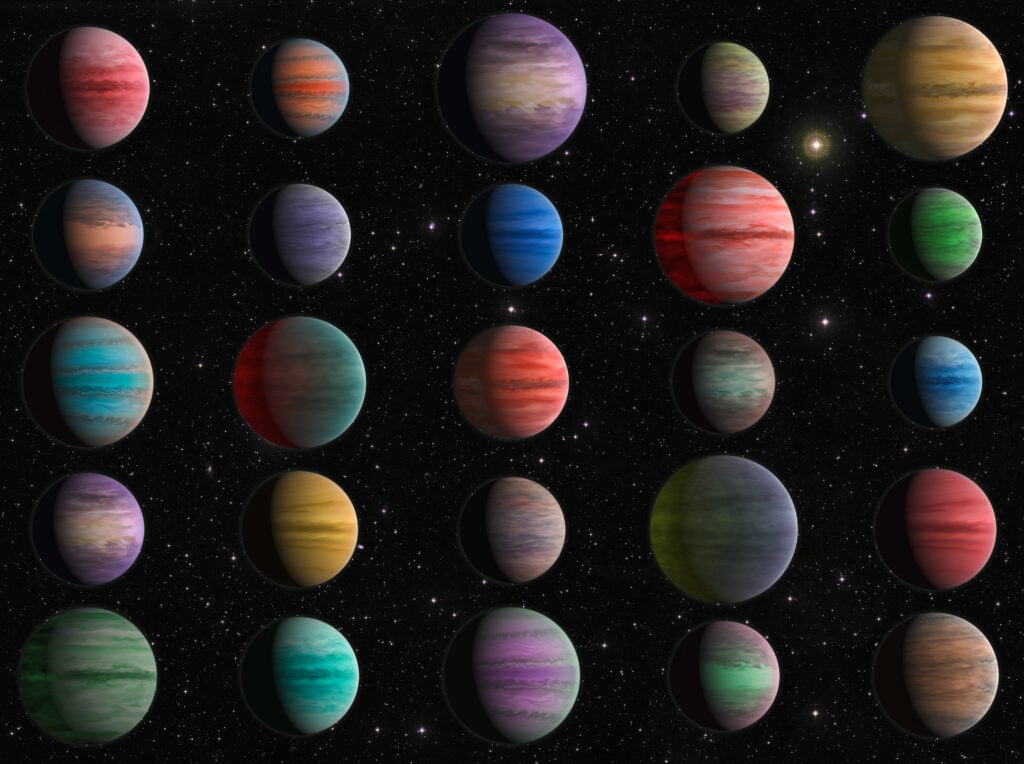
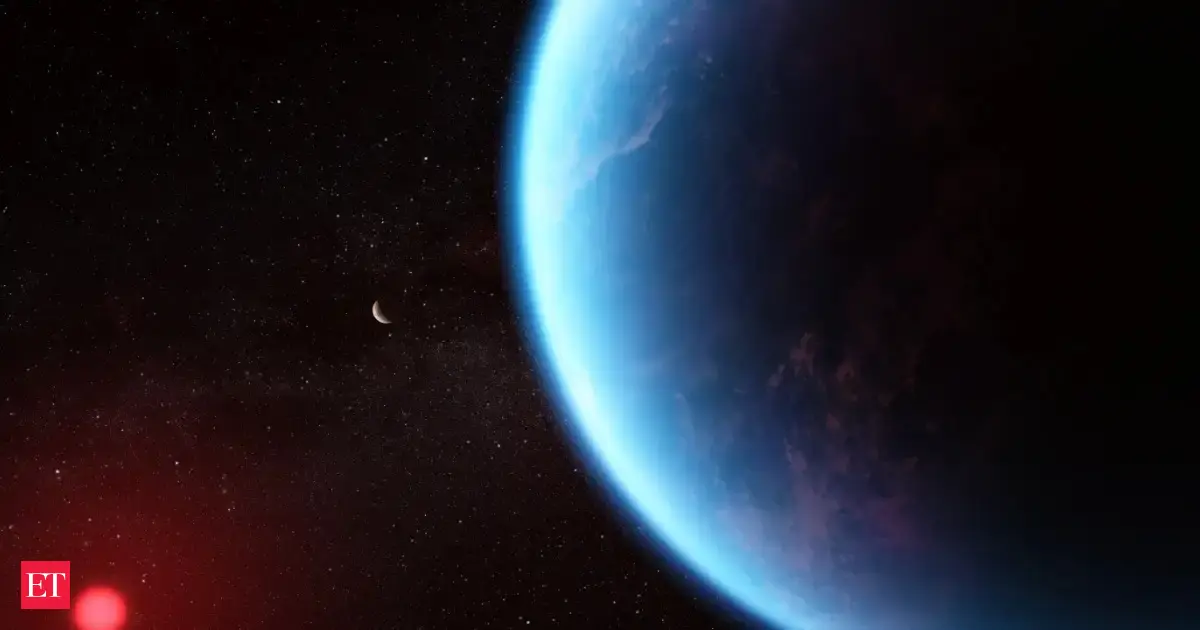
Pinning down ammonia alongside water and methane sharpens how we fingerprint alien atmospheres, and the surprise chill suggests the planet's relationship with its star is more complex than the textbooks assume.
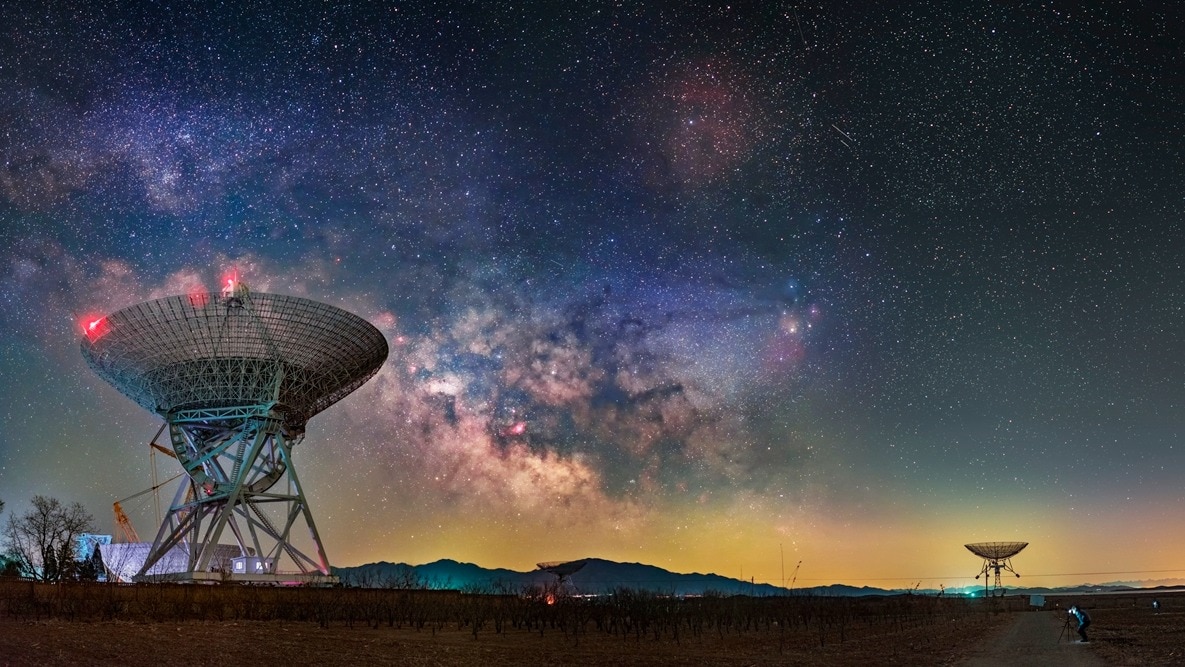
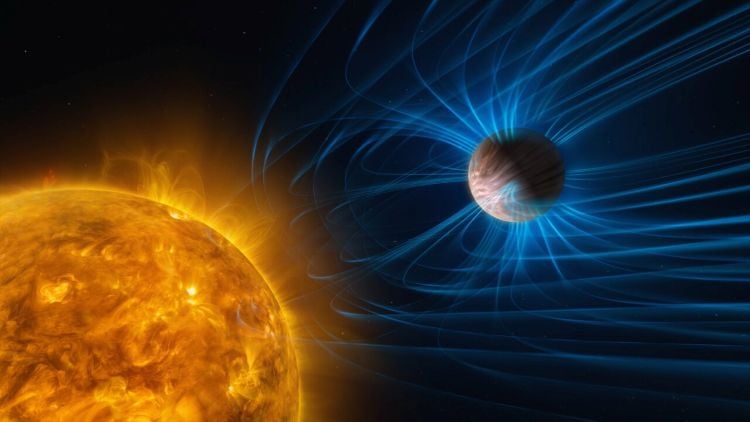
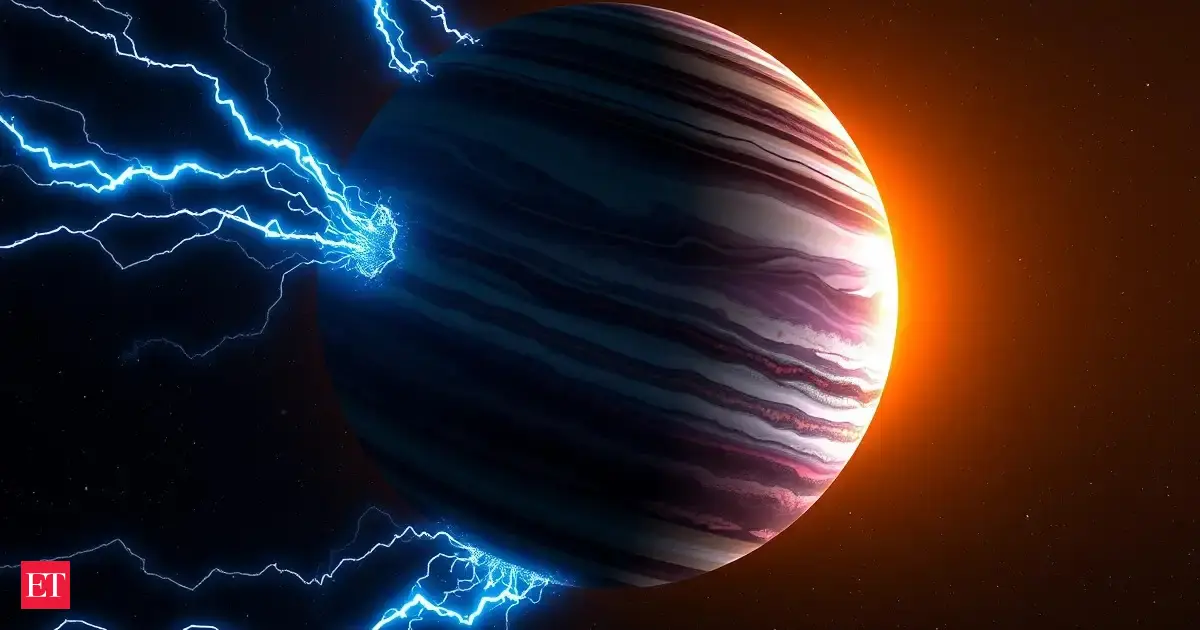
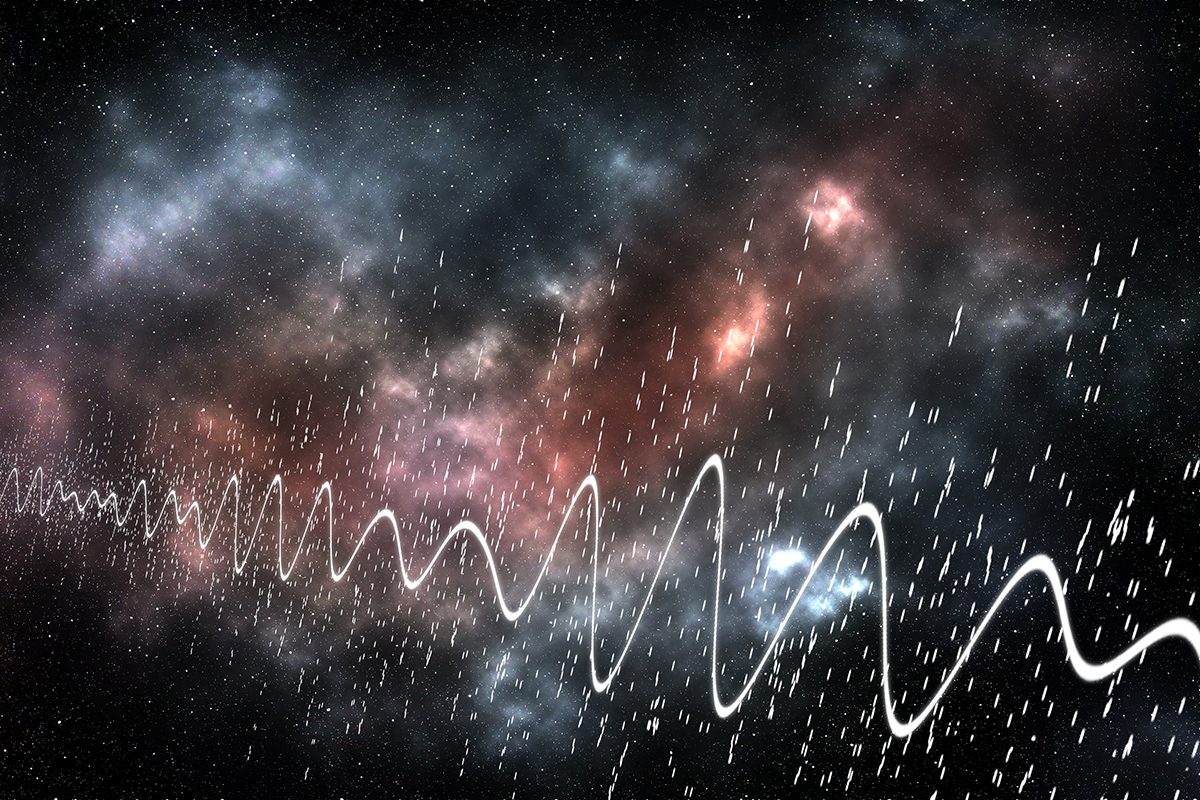
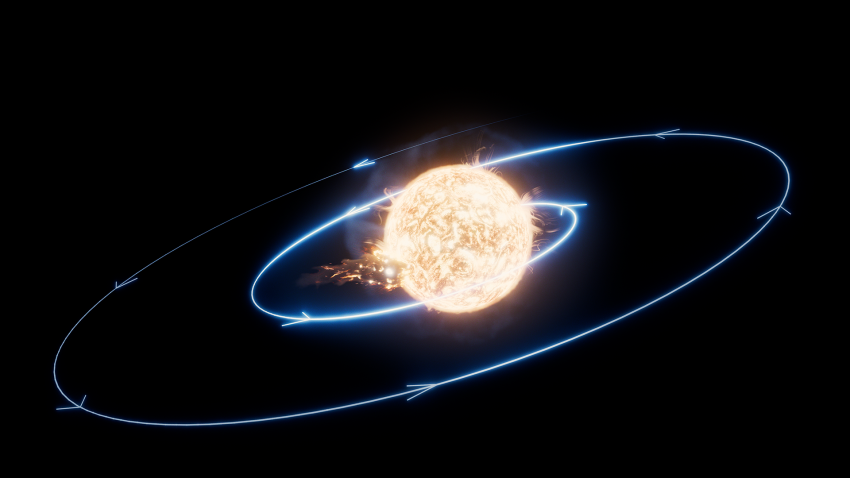
Catching an exoplanet's radio 'voice' for the first time gives astronomers a brand-new way to measure alien worlds' magnetic fields — a clue to what is happening deep inside them.
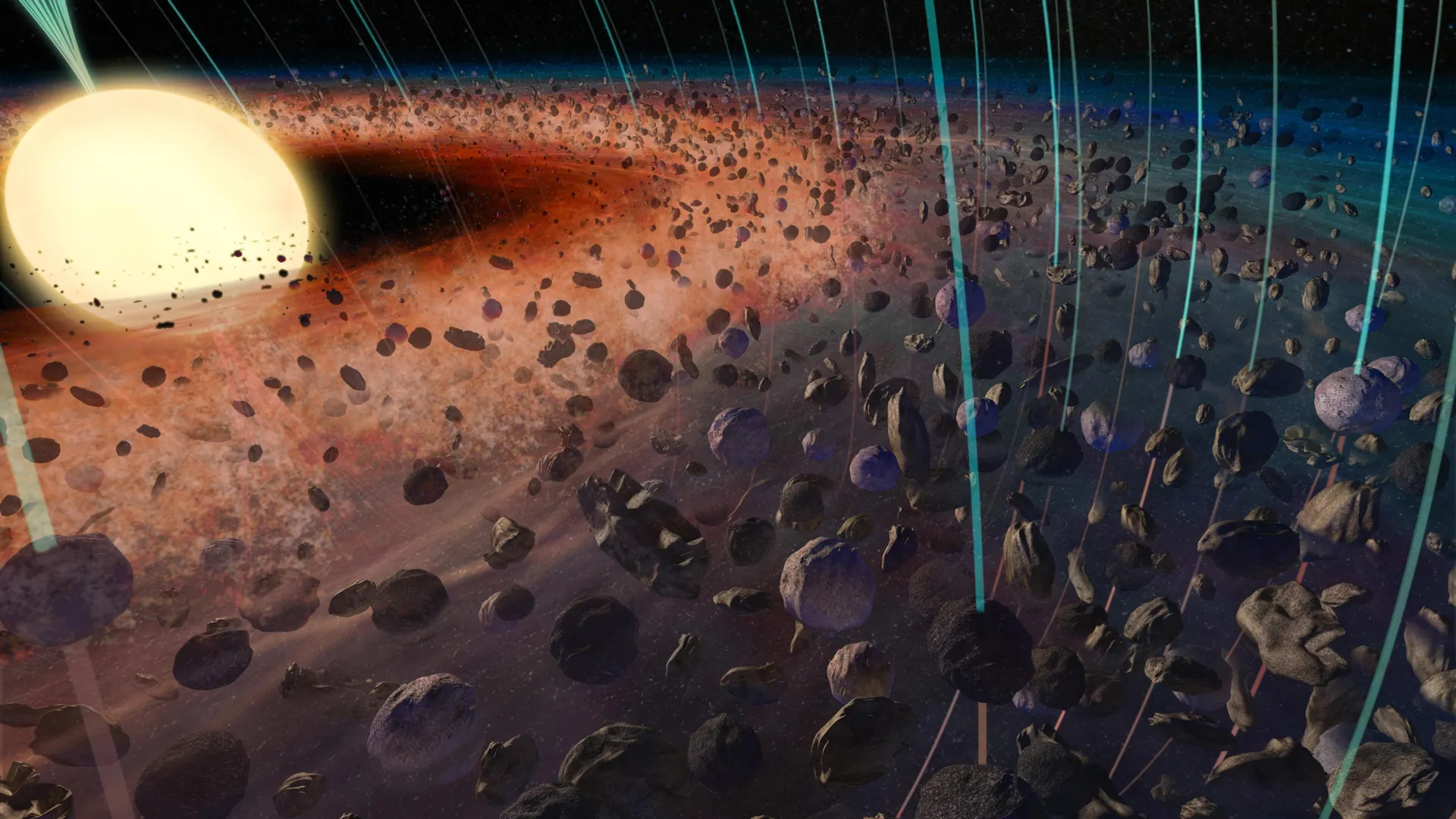
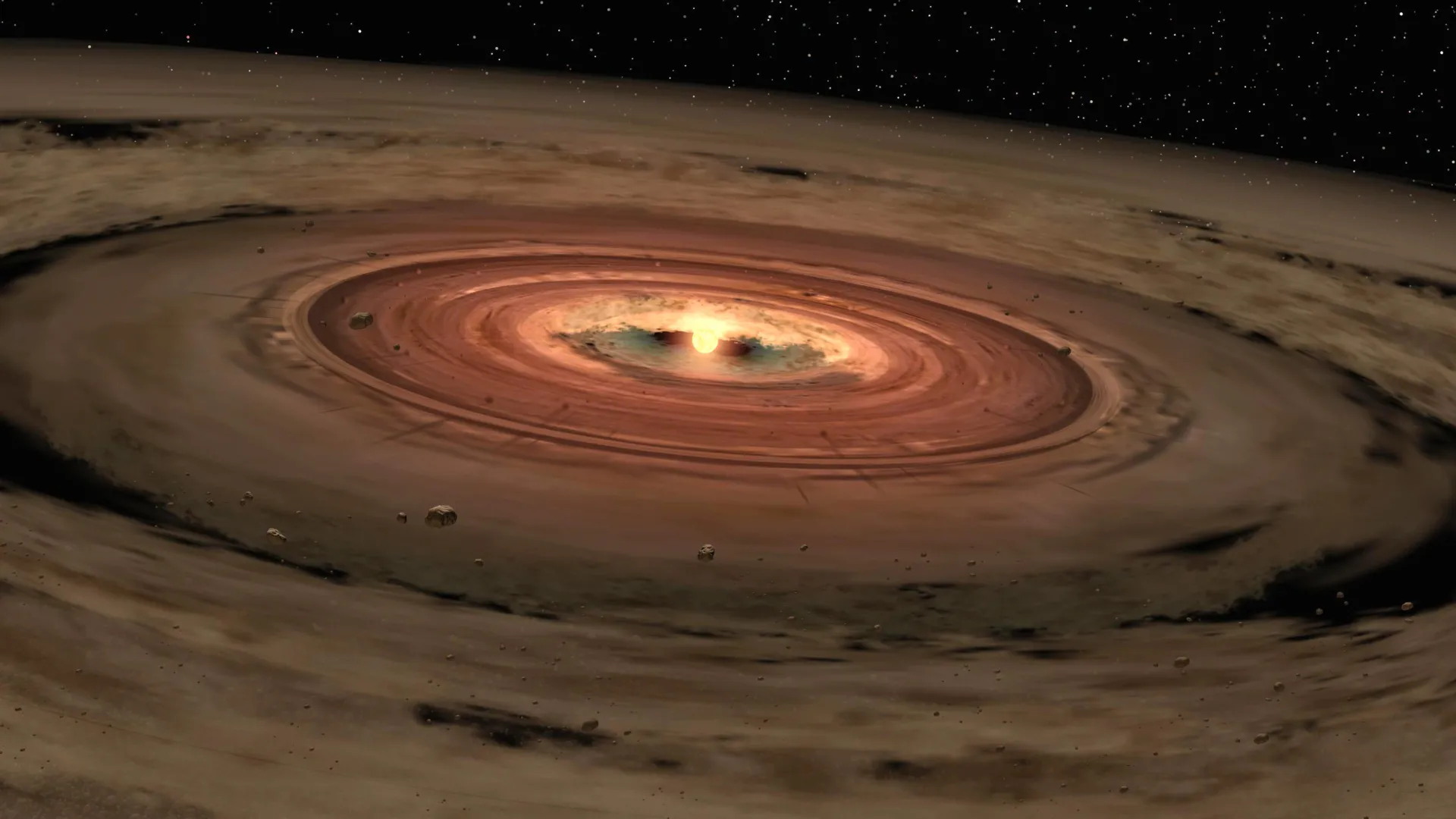
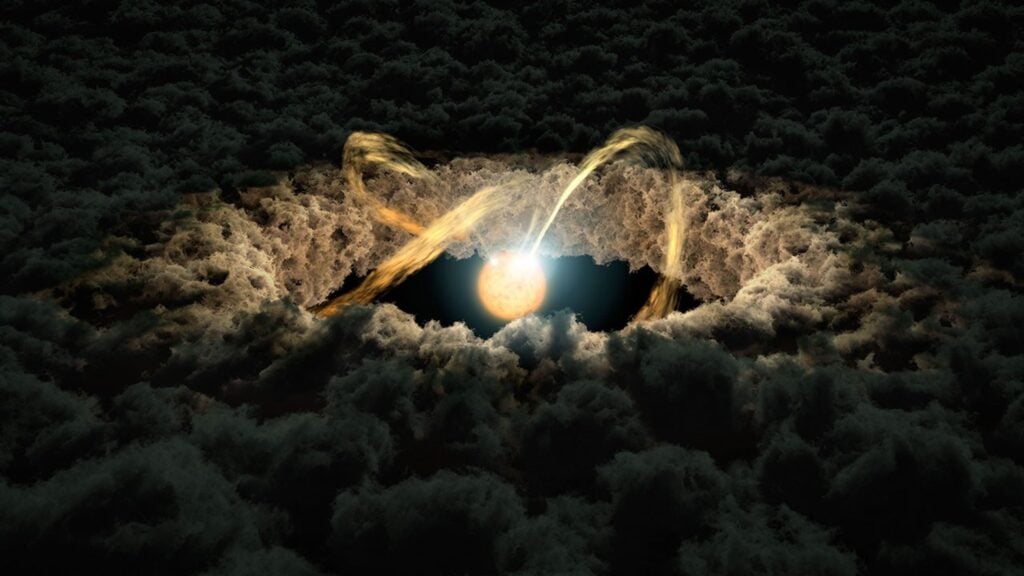
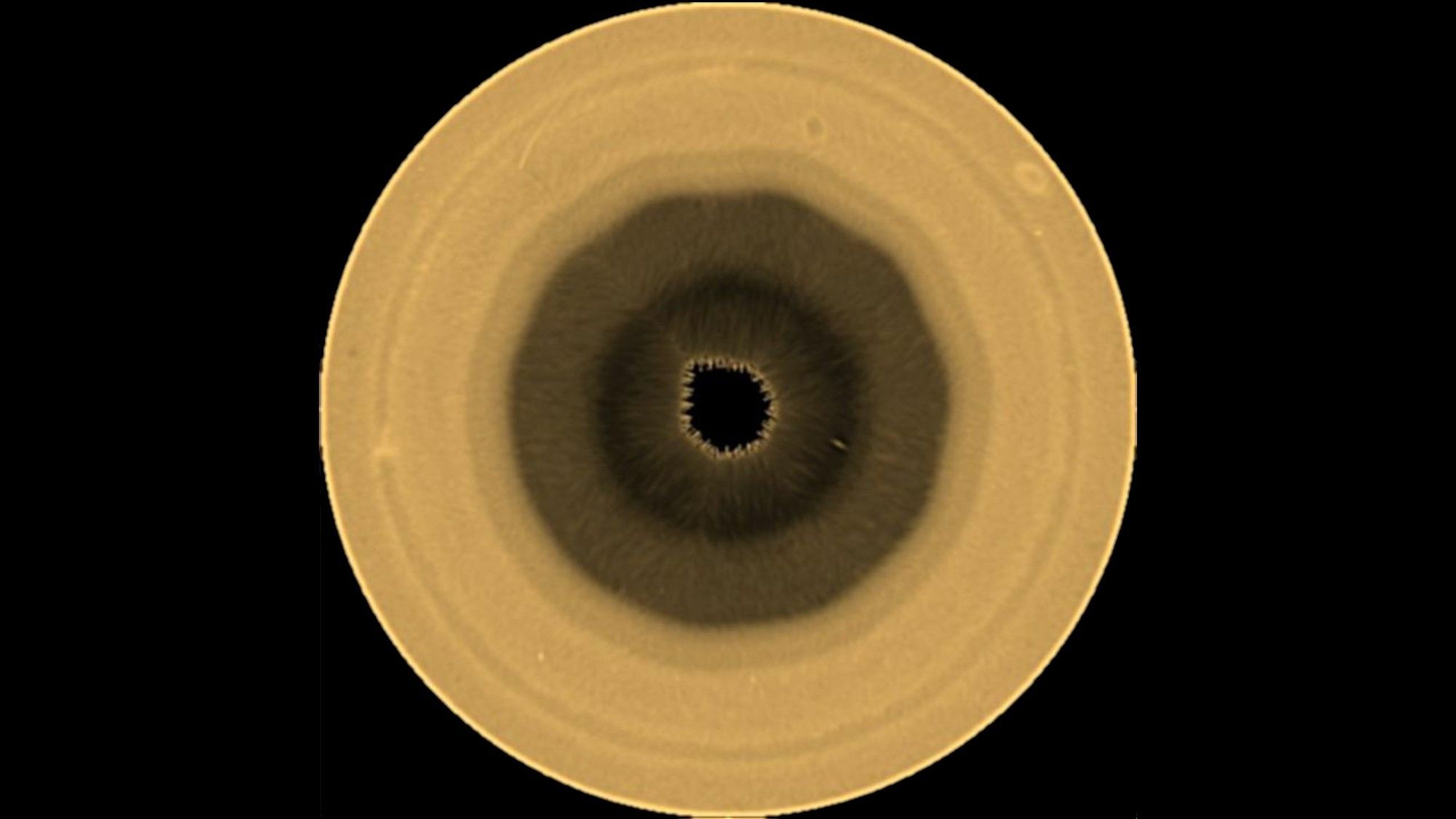
Magnetism, not just gravity, may have helped assemble the planets — refining the story of how rocky worlds like ours came together from a swirling disk of dust and gas.
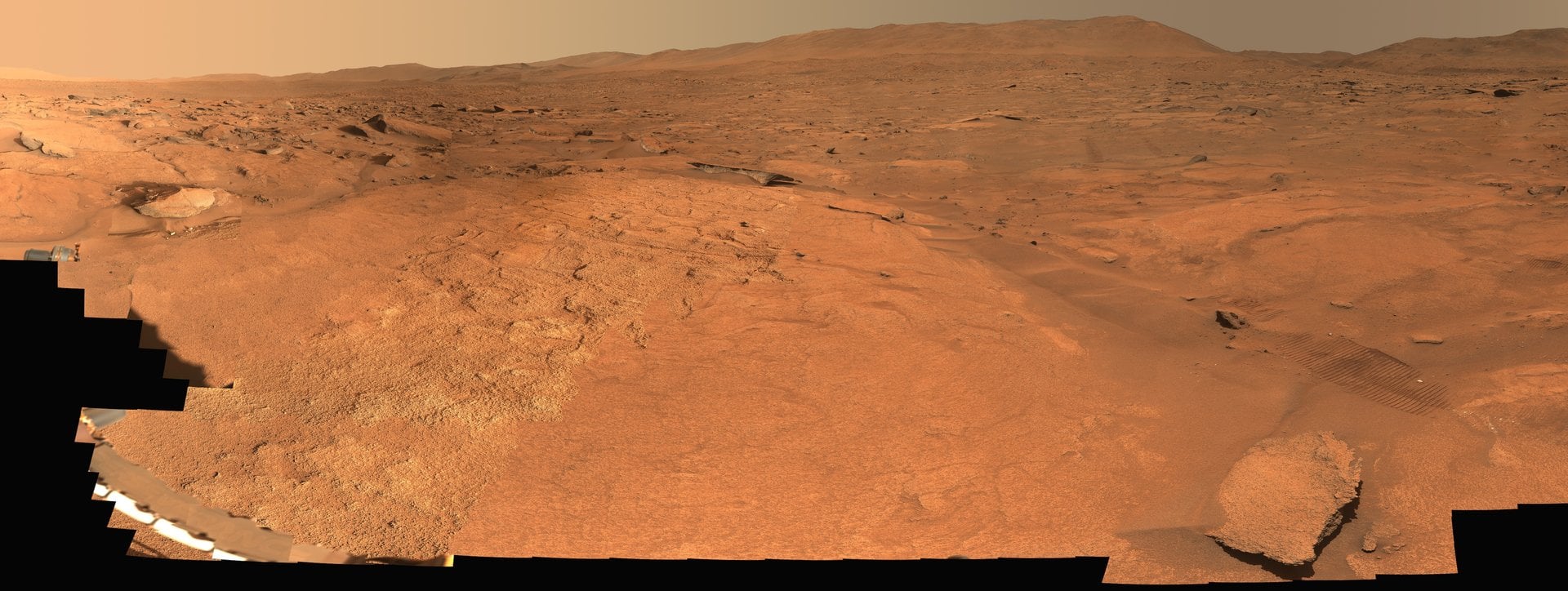
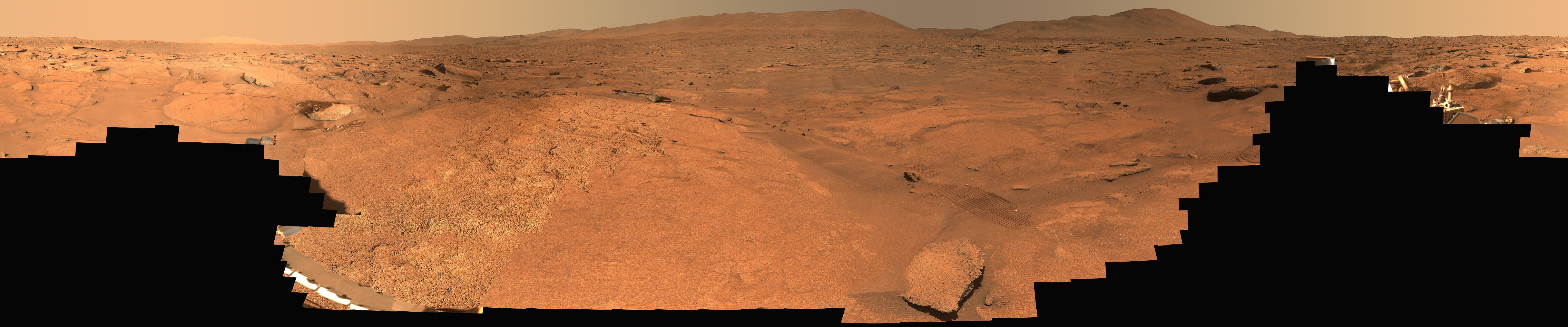
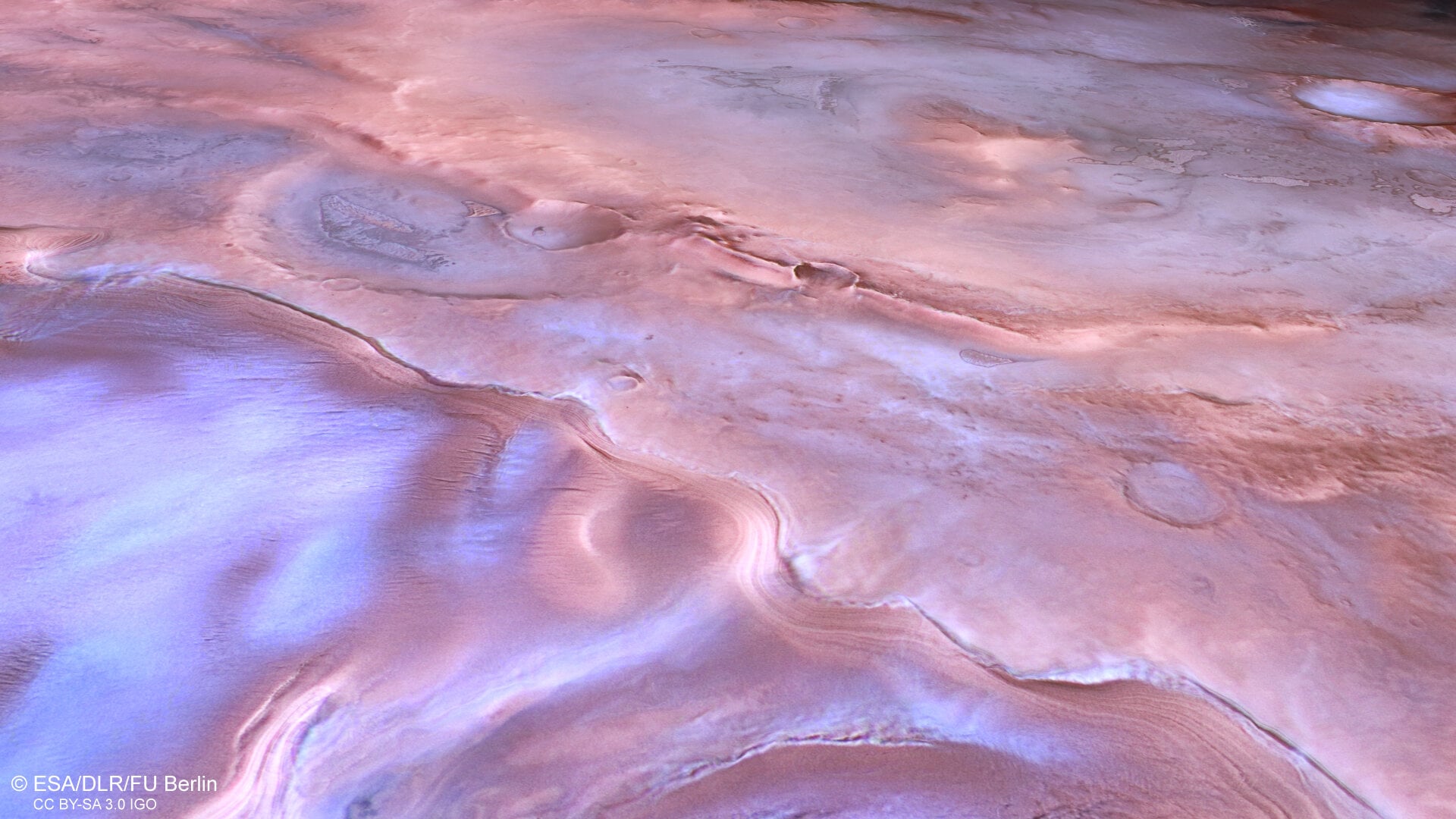
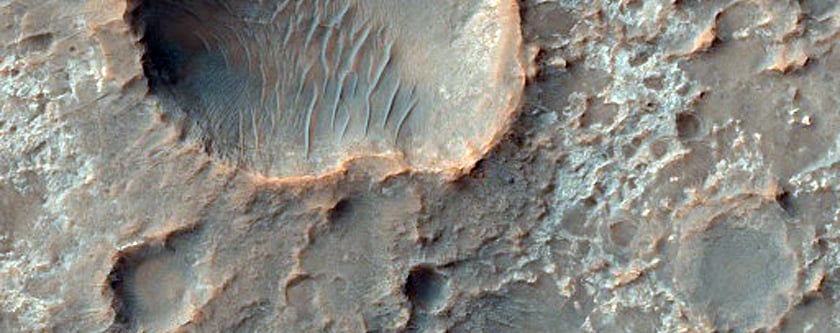
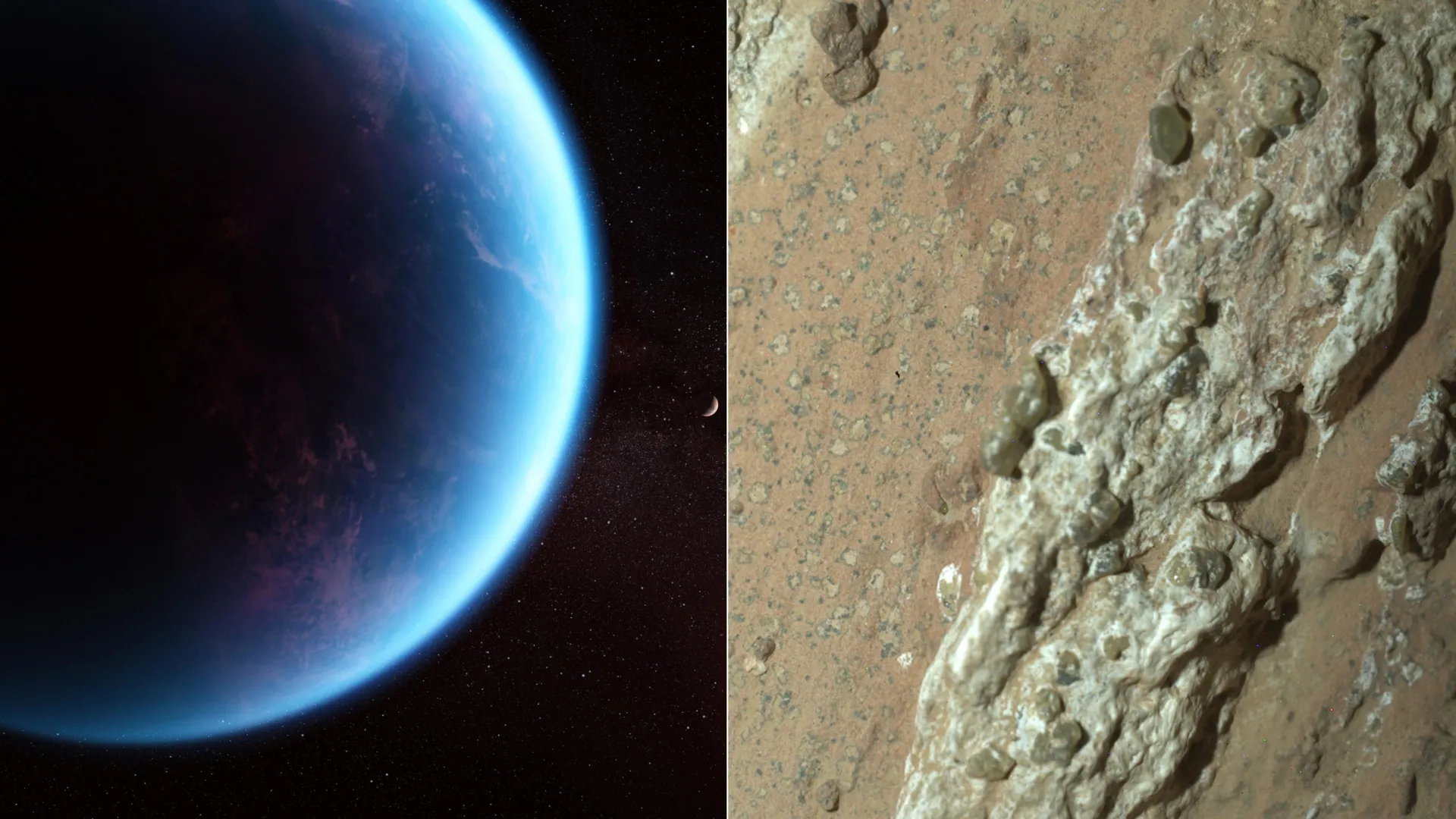
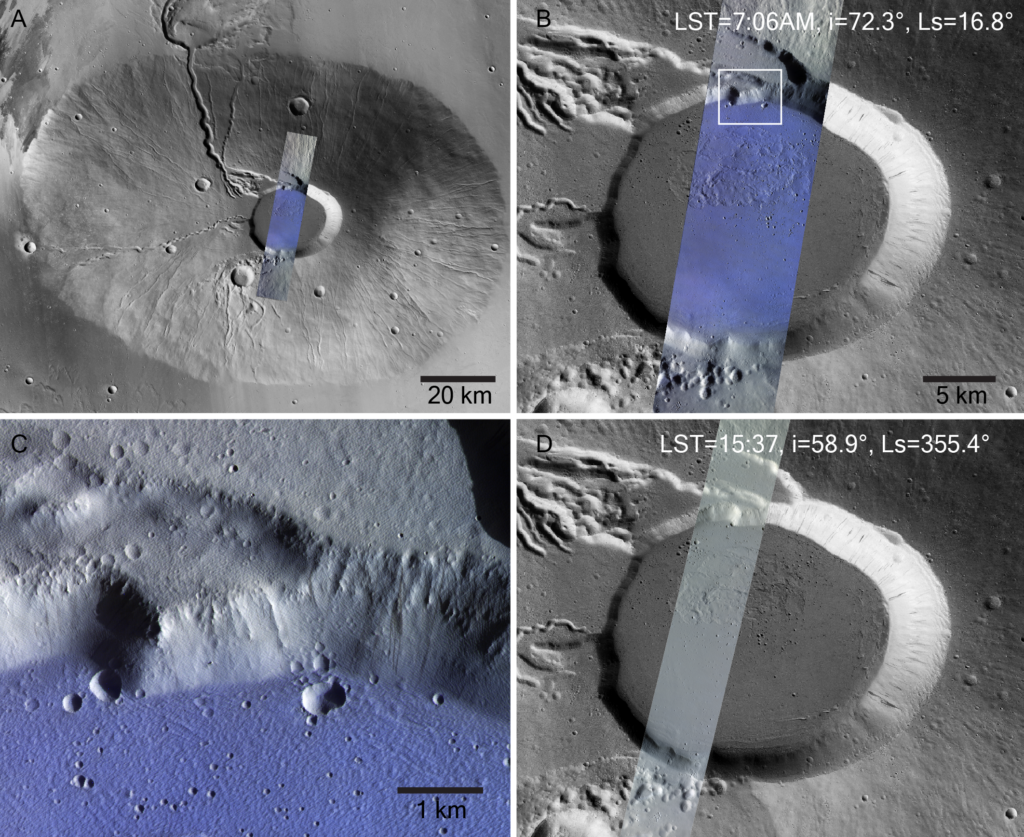
Mapping how water repeatedly reshaped Jezero shows how a rocky planet's surface evolves — and sharpens the search for signs that similar worlds, here and beyond, could once have been habitable.
Catching an exoplanet's own radio emission is a brand-new way to measure its magnetic field — the invisible shield that helps a world hold onto its atmosphere and stay potentially habitable.
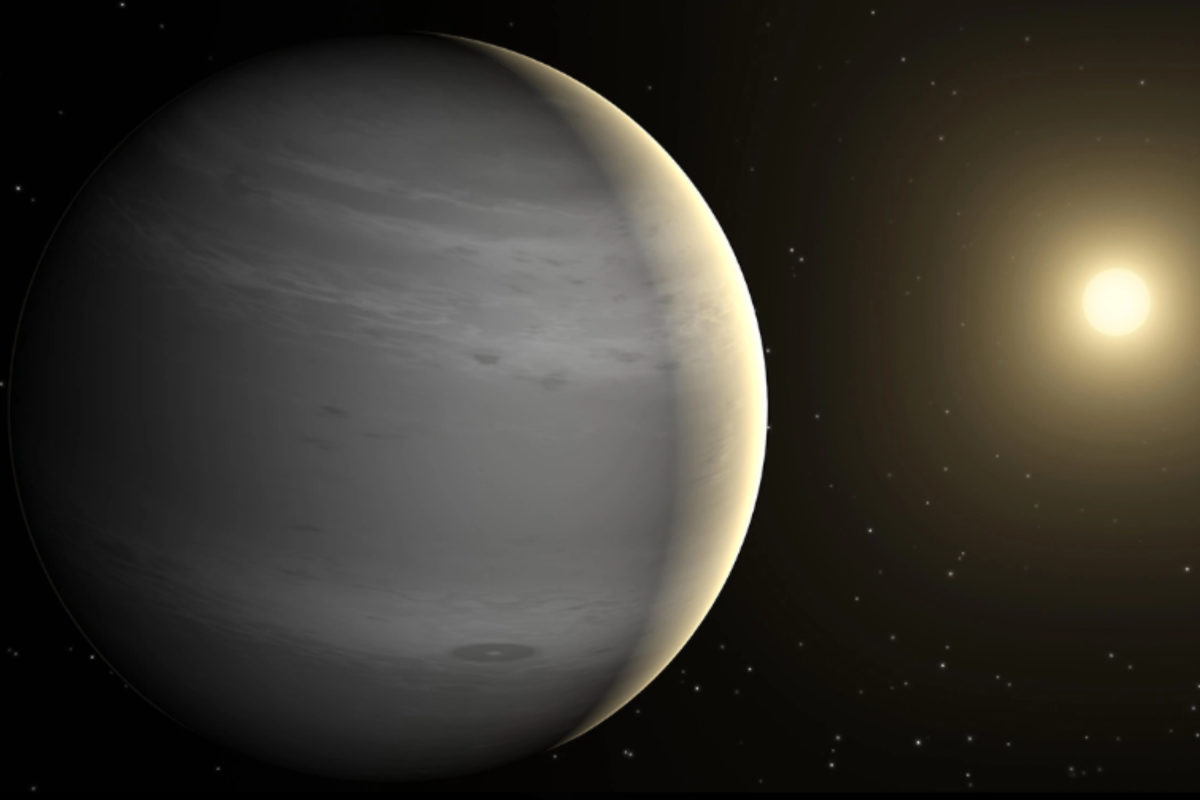
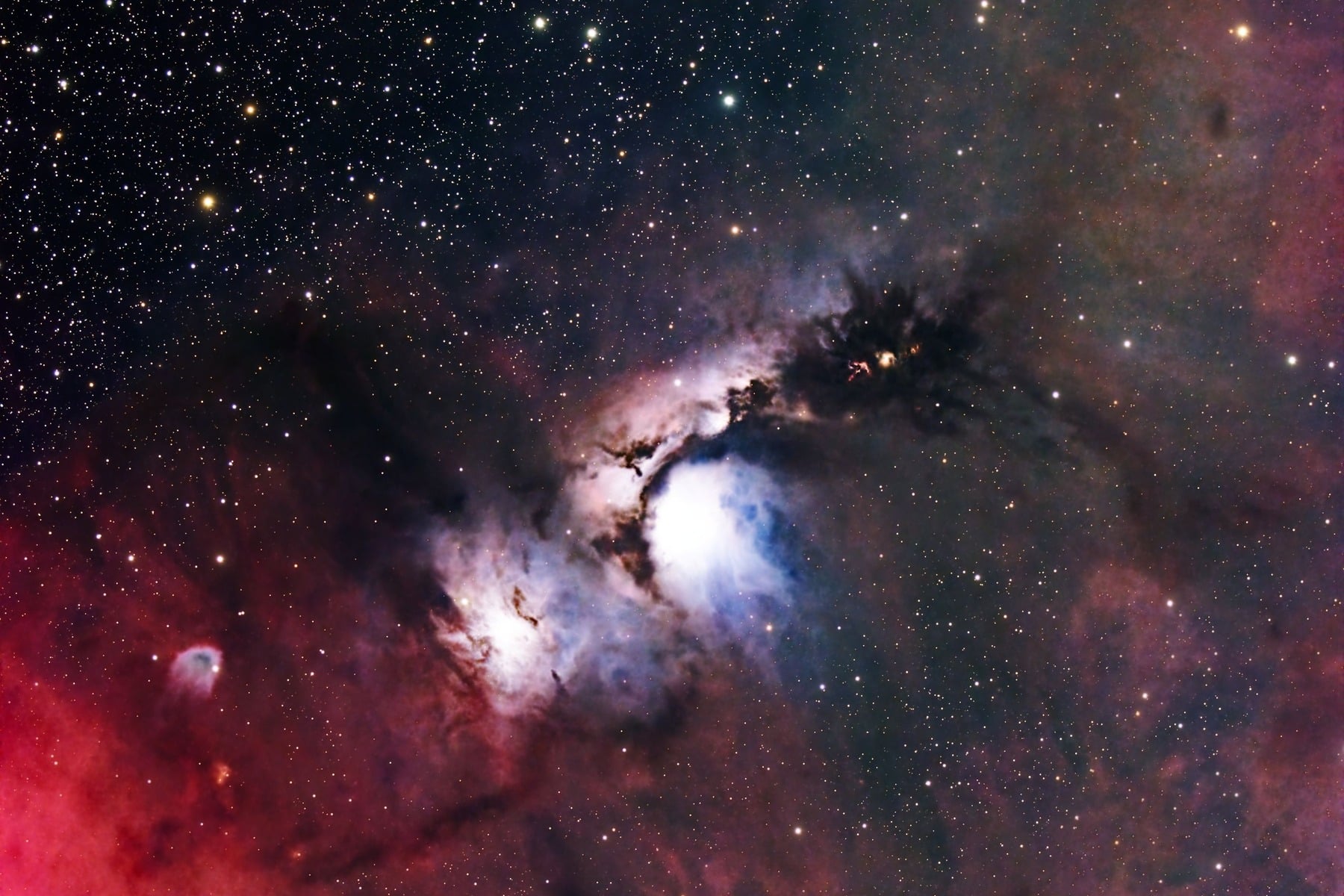
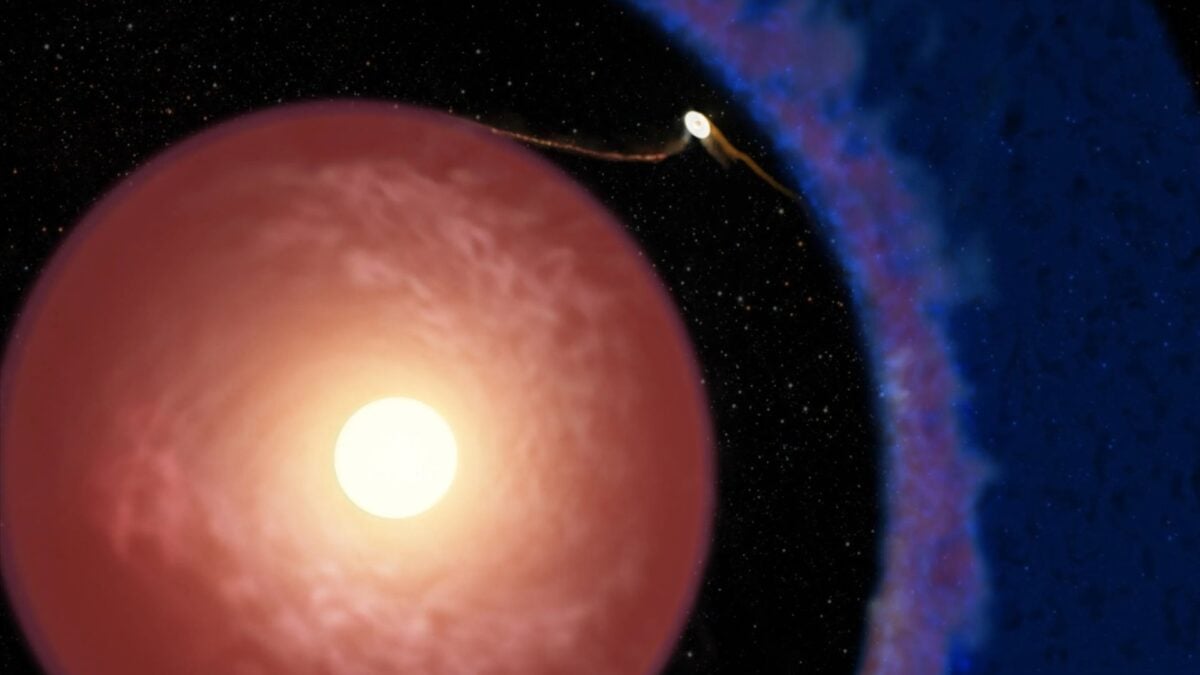
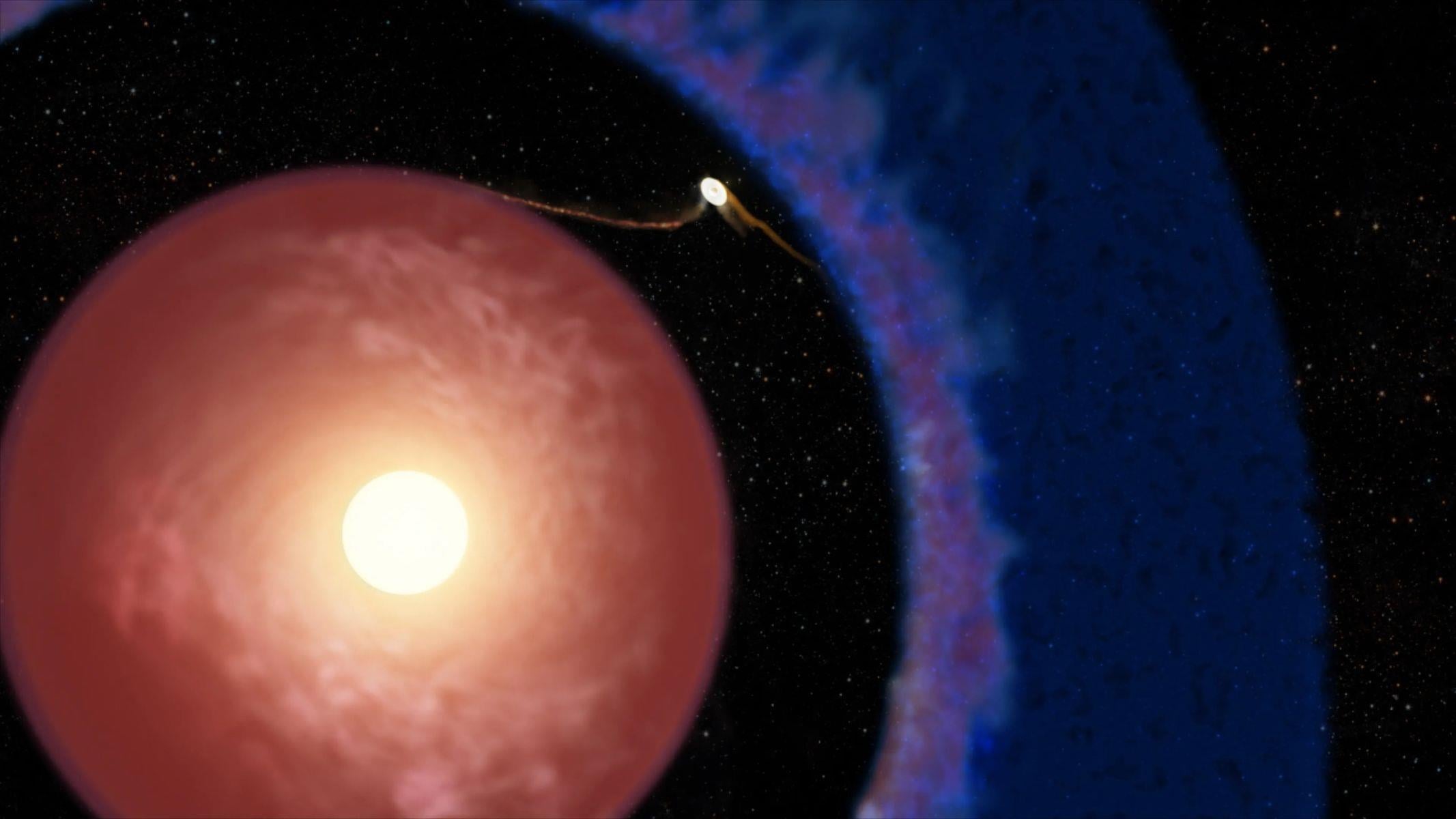
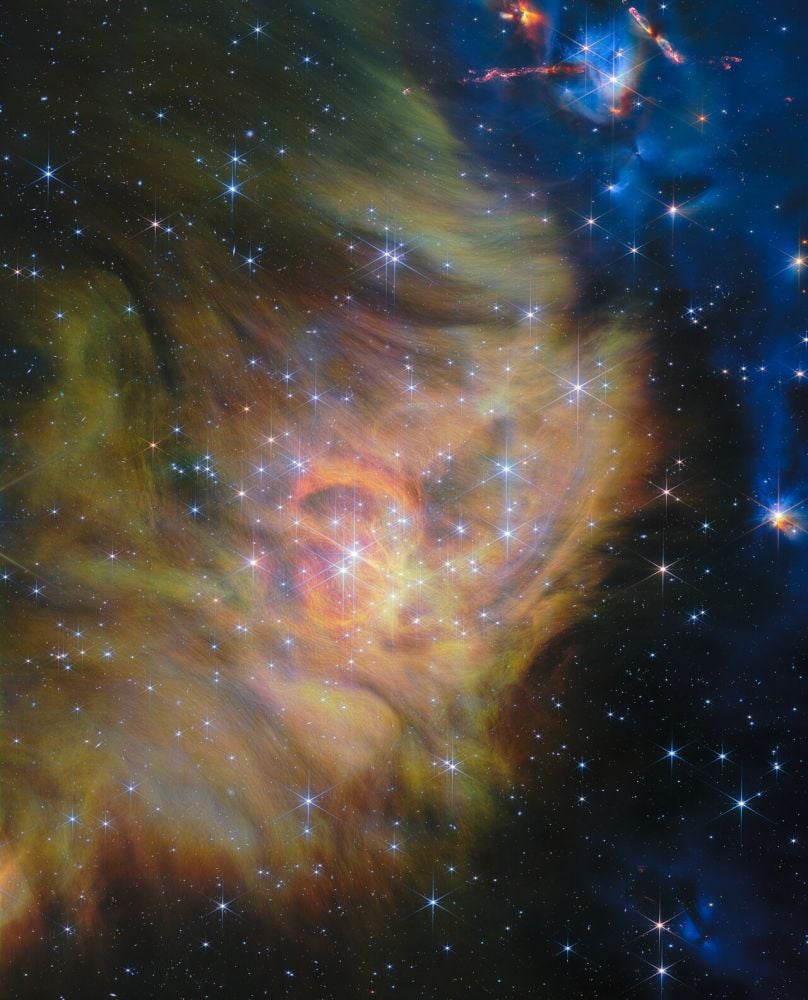
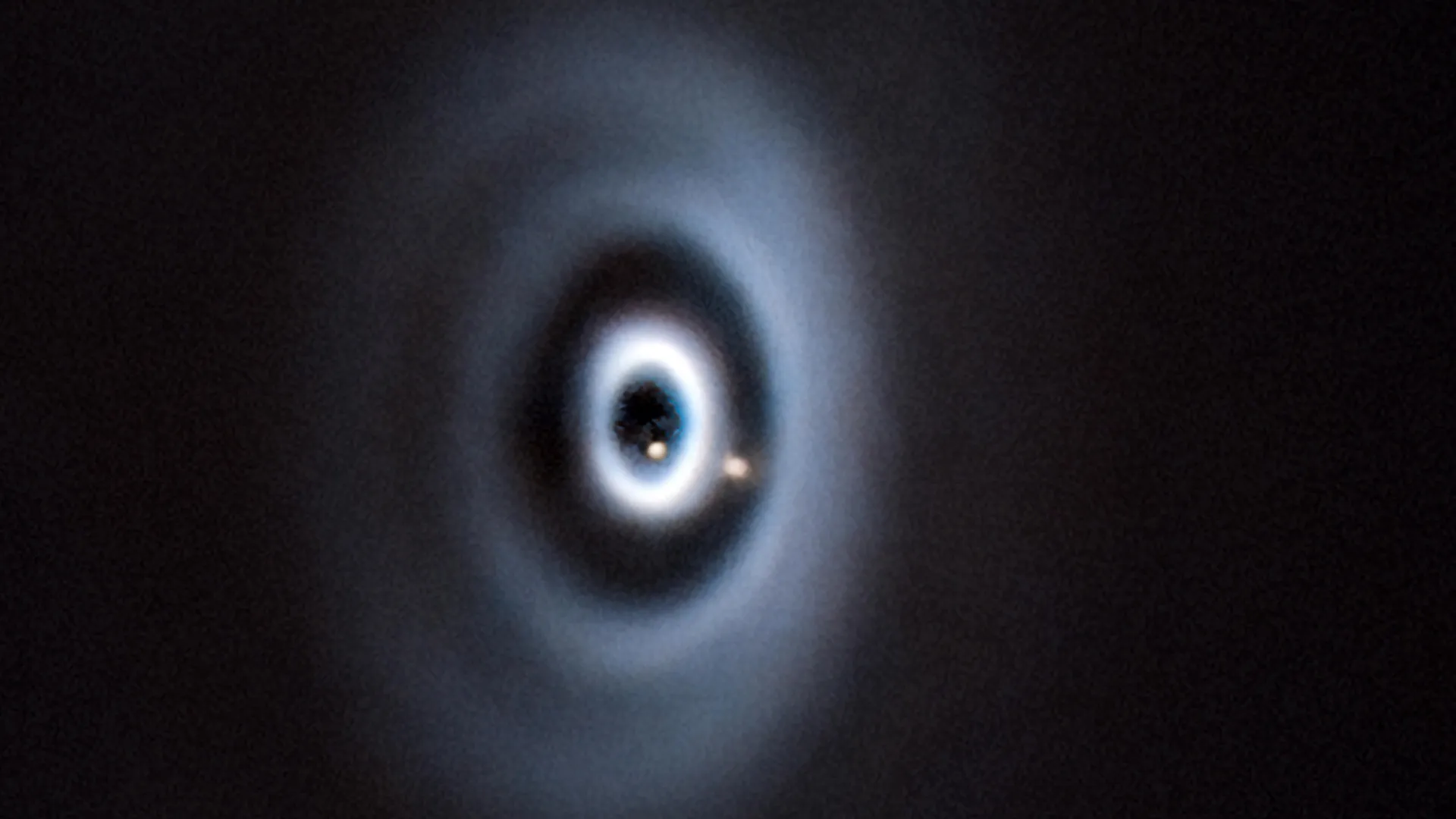
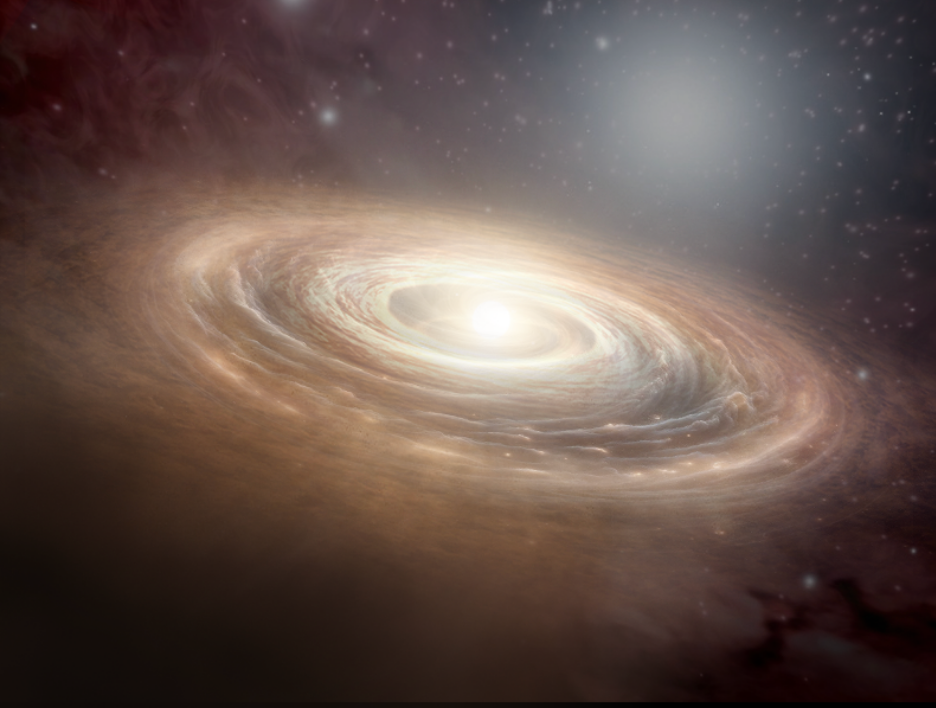
Catching a gas giant as it forms is rare — this direct view lets astronomers test how planets are born from the disks of dust and gas swirling around infant stars.
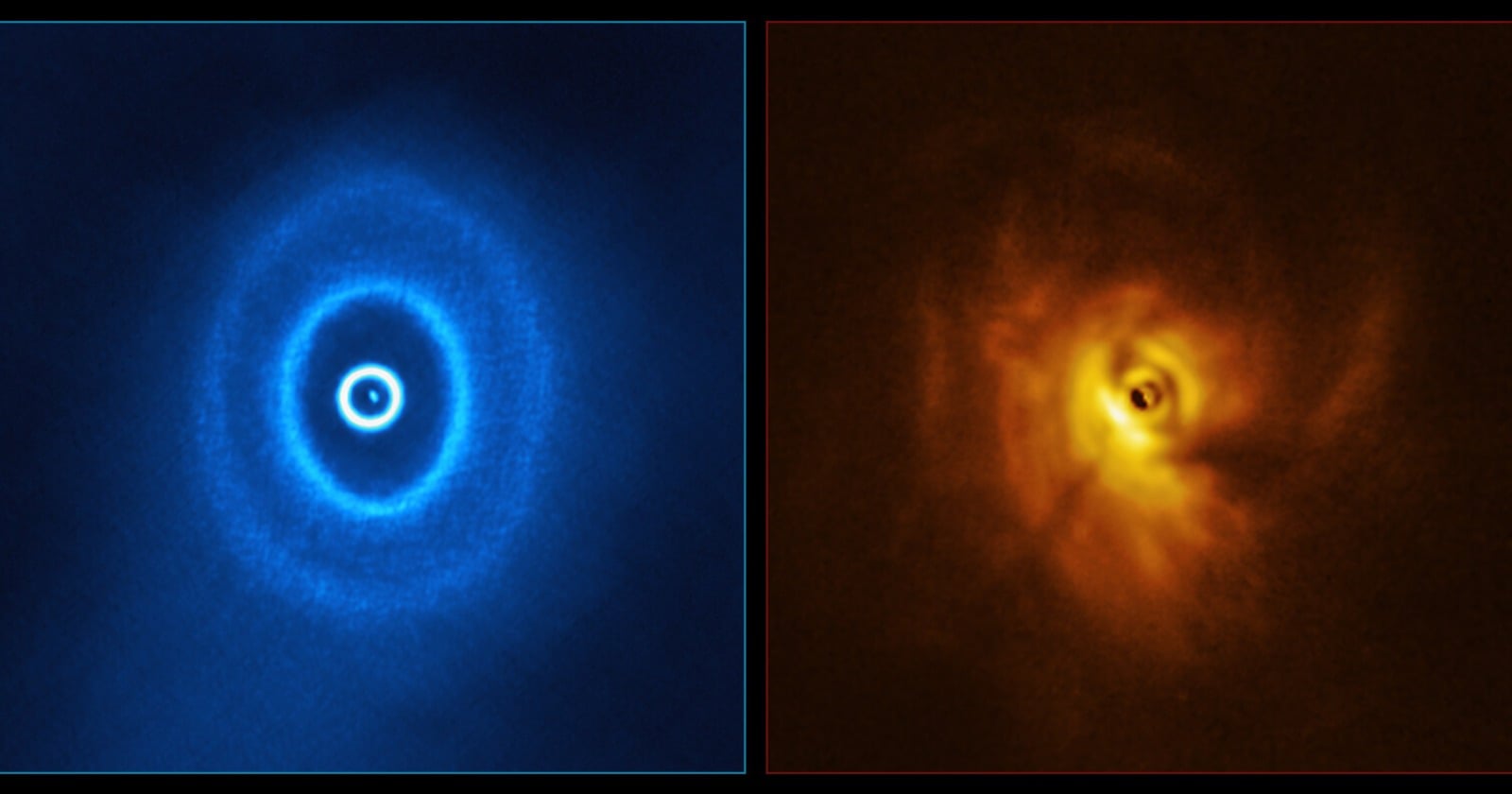
Newborn planetary systems are rare laboratories: measuring the masses of these infant worlds shows how planets bulk up and settle into their orbits soon after birth.
Astronomers picked up radio waves from a distant planet's own magnetic field — the first time such a signal has been tied to a specific exoplanet, opening a brand-new way to probe worlds we can't see directly.
Picking up an exoplanet's own radio signal for the first time opens a new way to measure alien worlds' magnetic fields — key clues to their interiors and whether they could shield life.
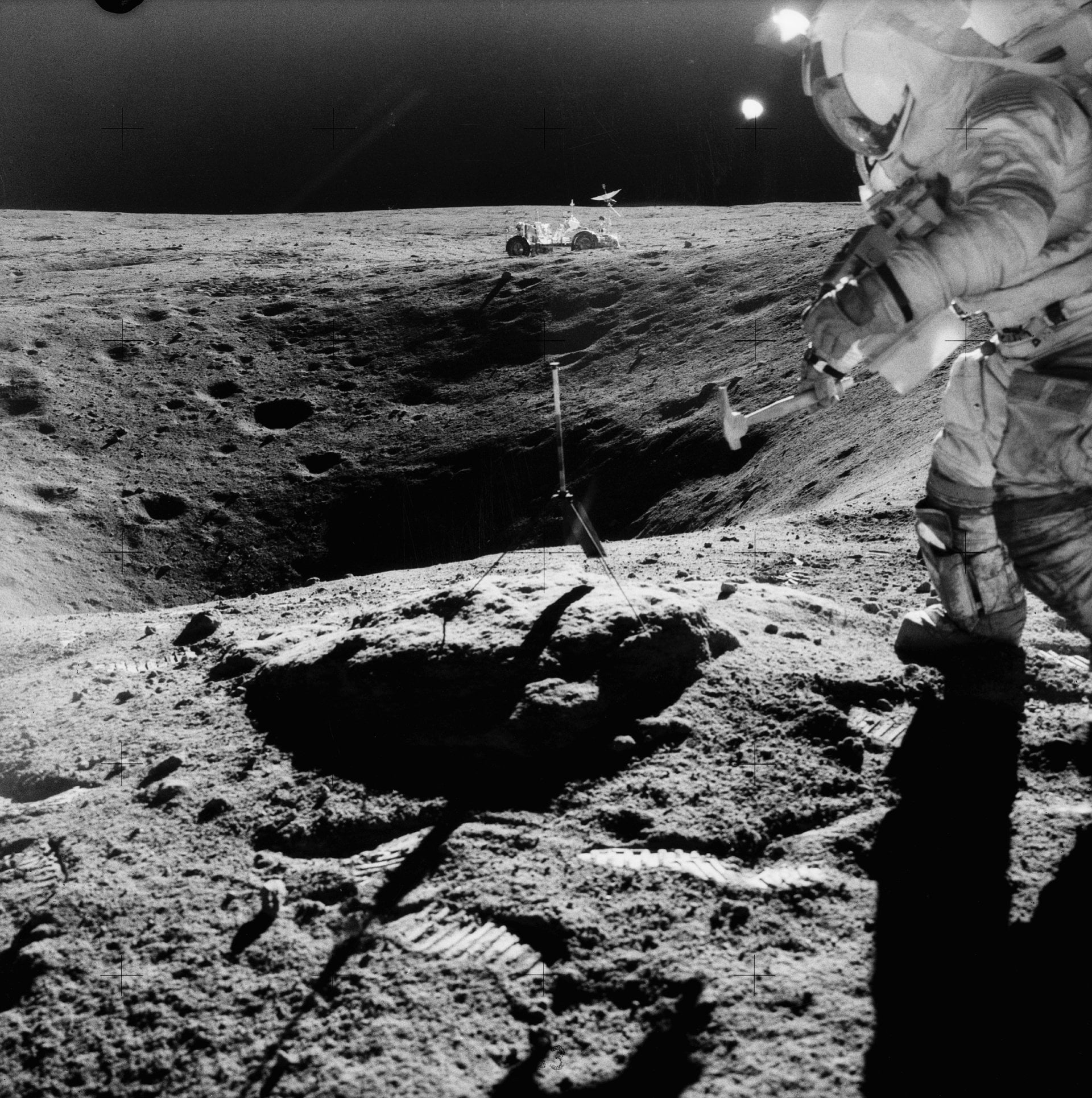
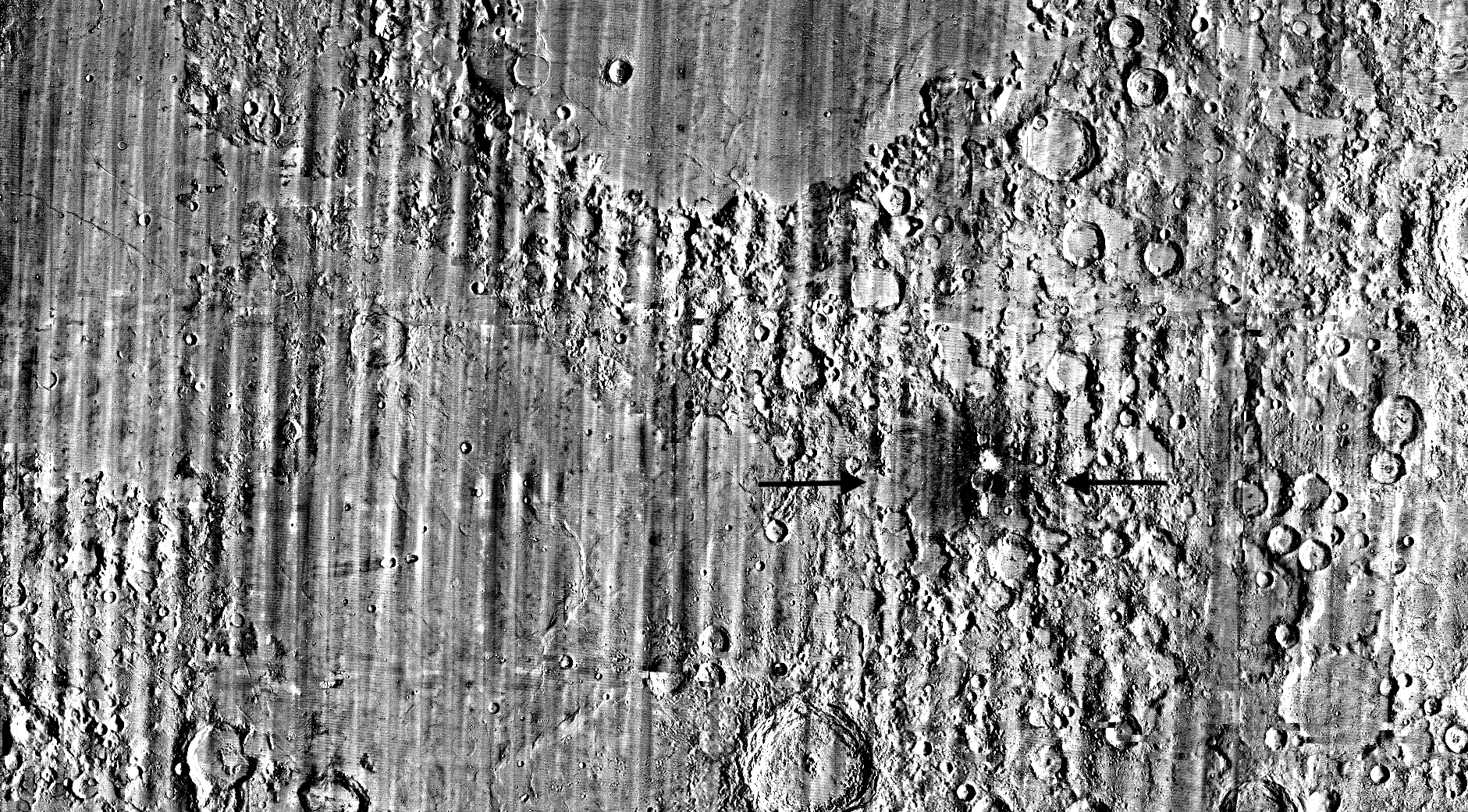
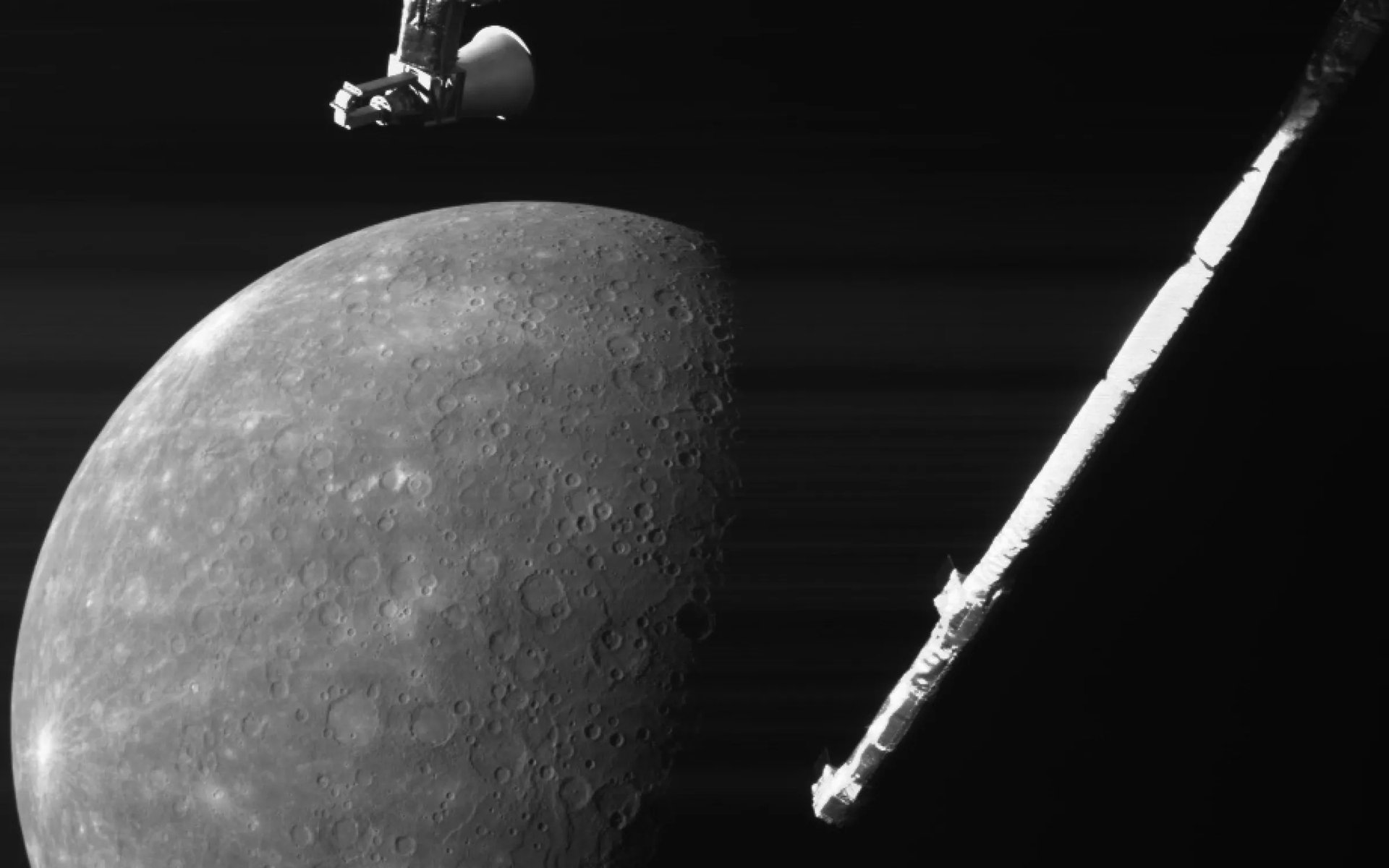
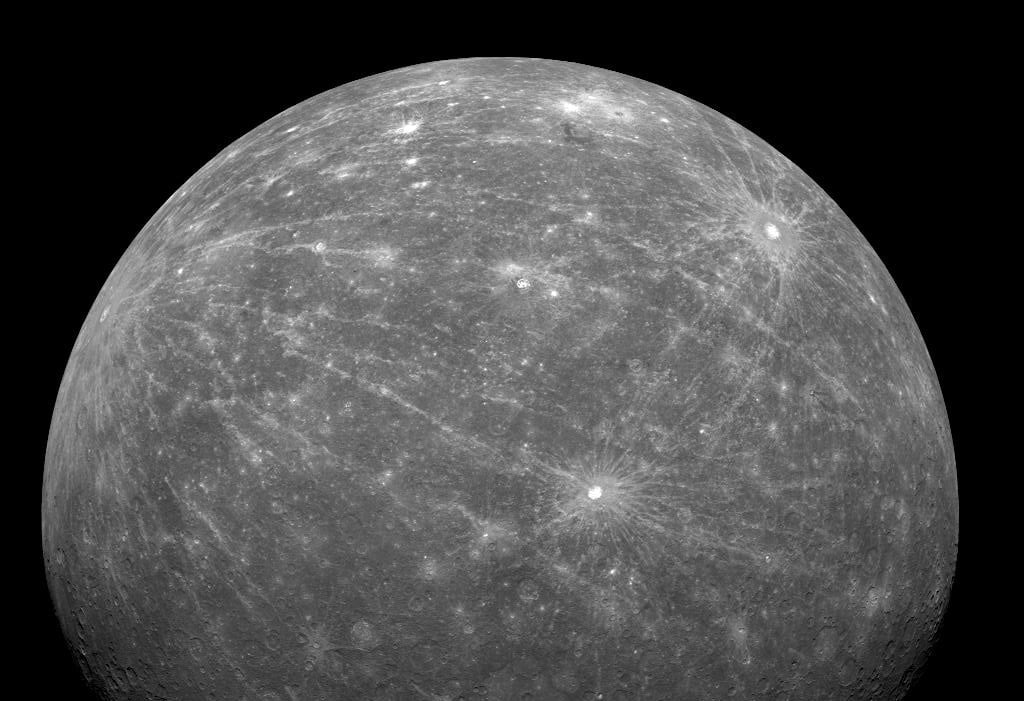
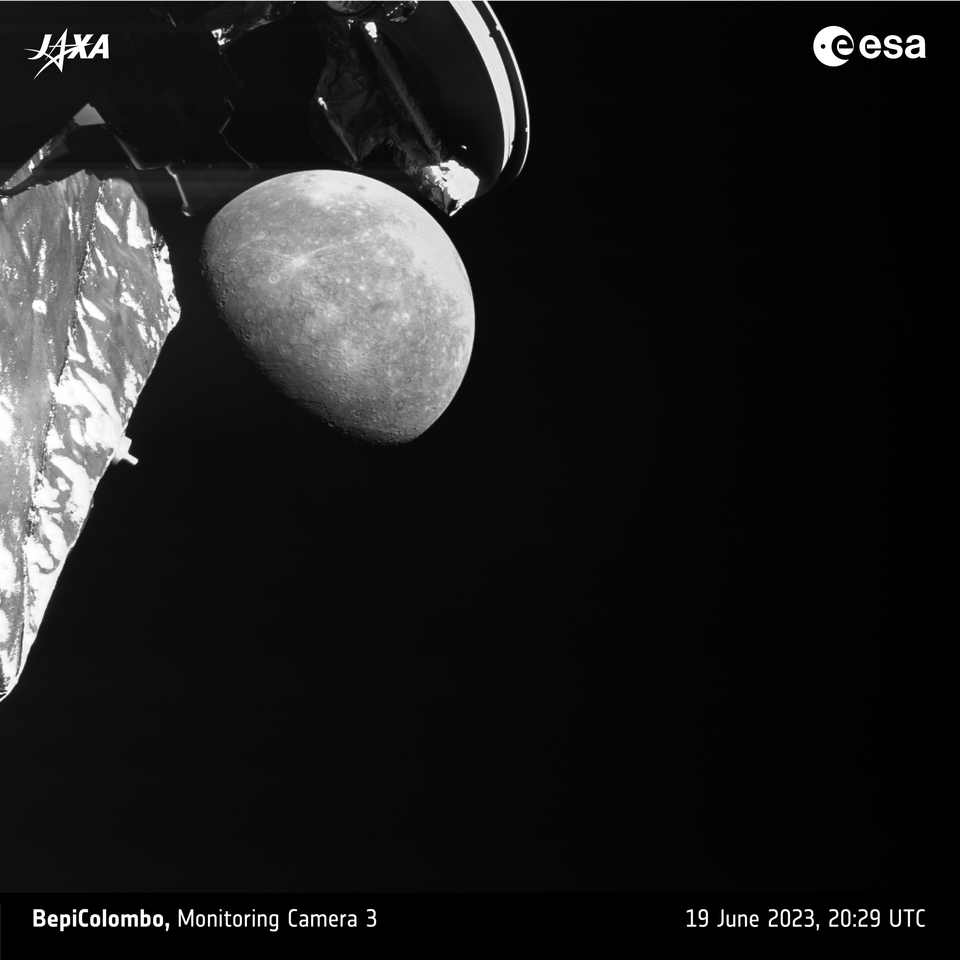
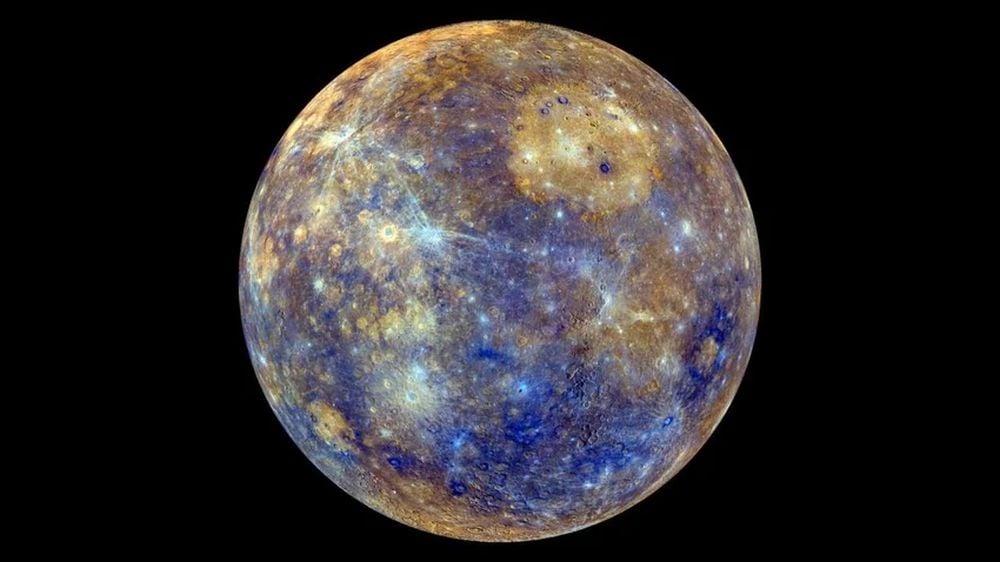
Every fresh impact is a natural drill core into an airless, rocky world, revealing how such planets are layered and reworked by billions of years of bombardment.
A planet's magnetic field shields its atmosphere and any surface life from harsh stellar radiation, so being able to measure it on far-off worlds would give the hunt for habitable planets a powerful new clue.
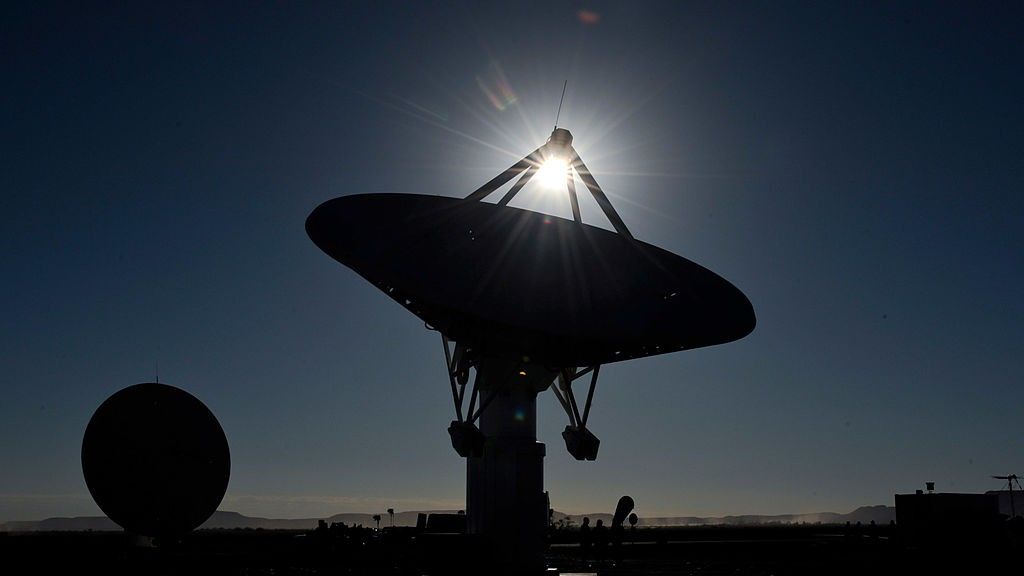
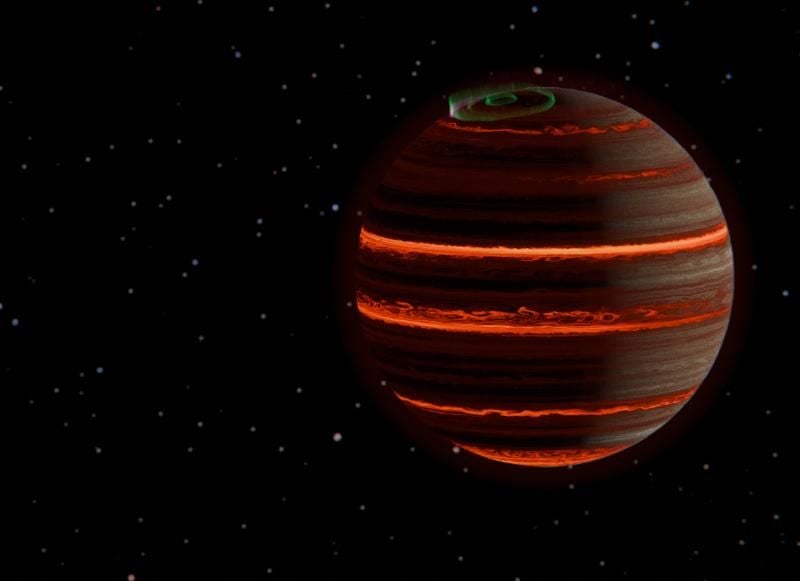
The first-ever direct radio detection of an exoplanet traces the emission to auroras and reveals the young gas giant's magnetic field — opening a brand-new way to probe worlds far beyond our solar system.