5,579 real exoplanets, run through our physics
Every confirmed planet NASA has measured well enough to build — its real mass, radius, orbit and star, fed into the same simulation that runs everything else here. It decides what each one becomes and scores it for habitability. 8 of them come out Earth-like.
Browse every kind of world
Lava worlds, ice giants, ocean planets, worlds of solid carbon. Every planet here is sorted by what our simulation says it is, run from its real mass, orbit and star — not by anything the catalogue records. Pick a type to see all of them.
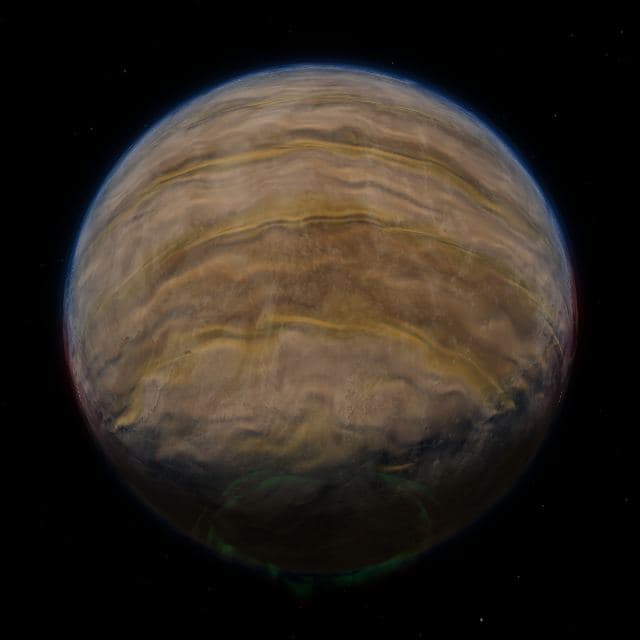
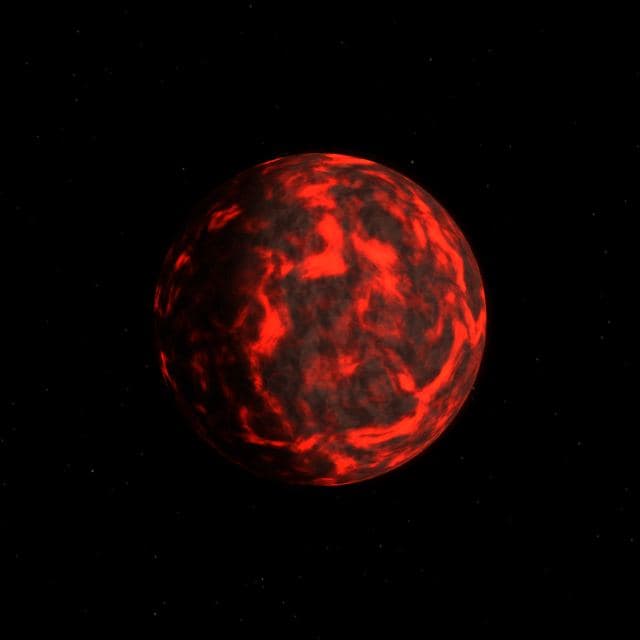
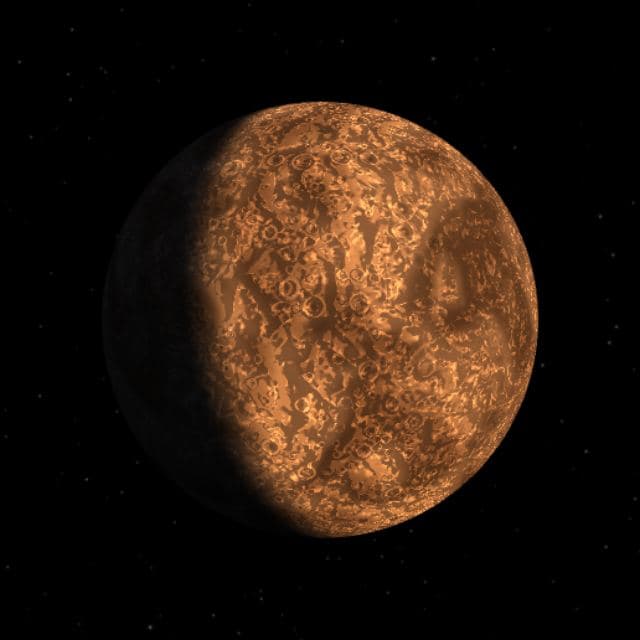
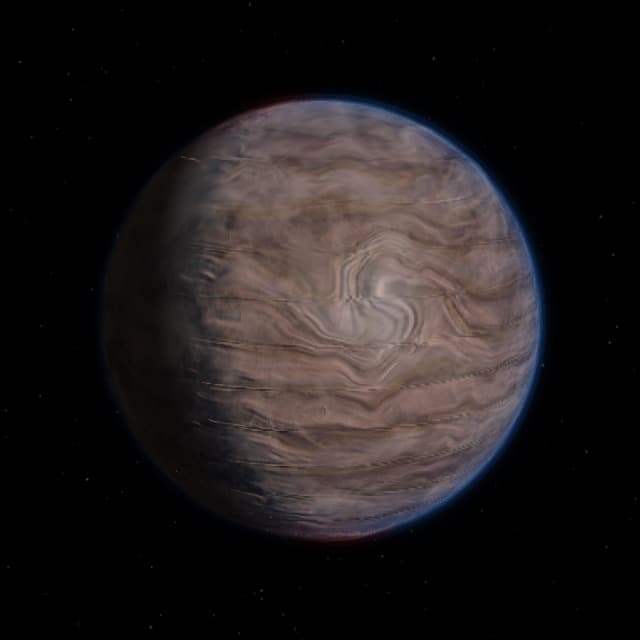
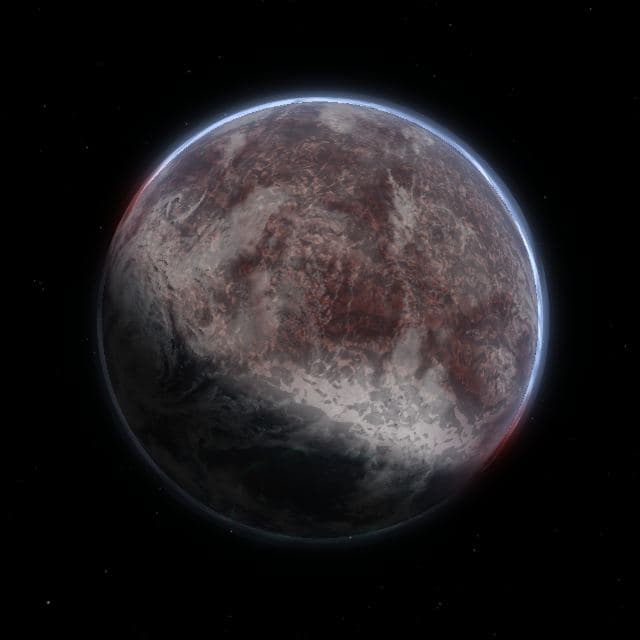
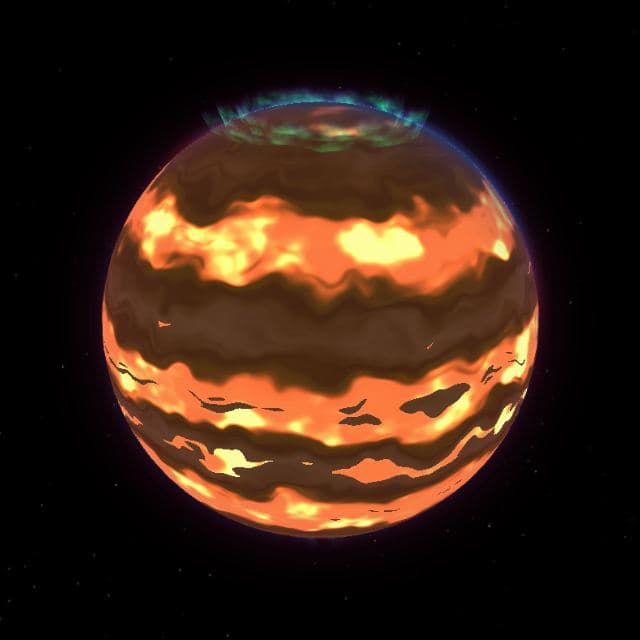
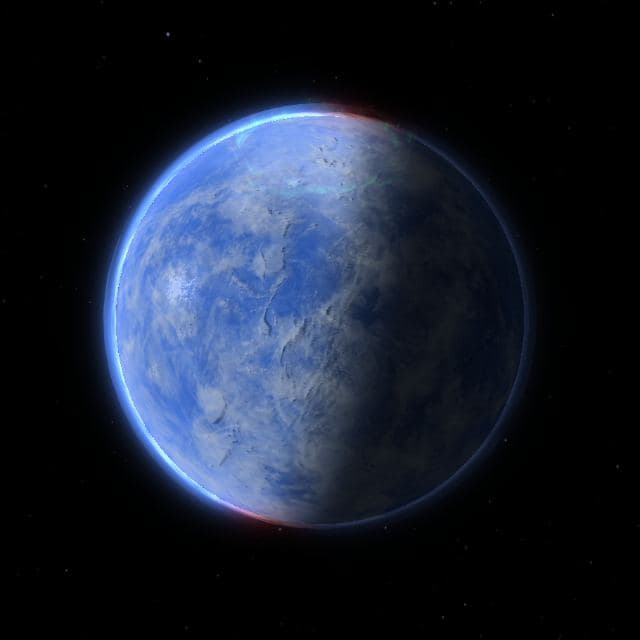
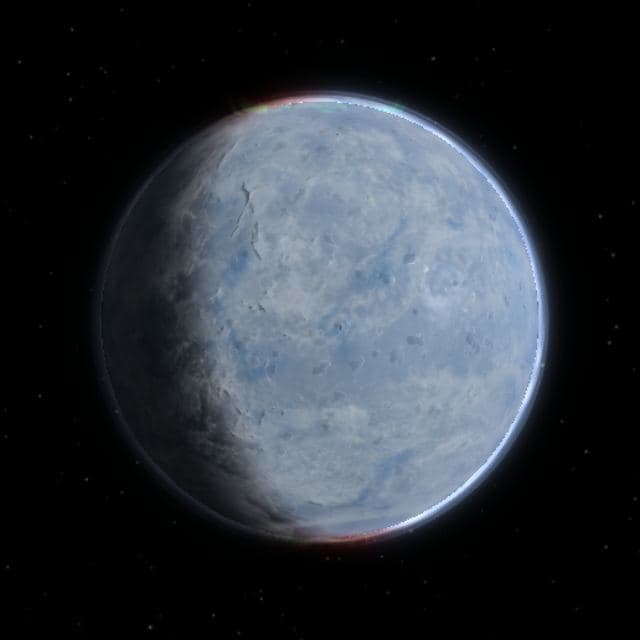
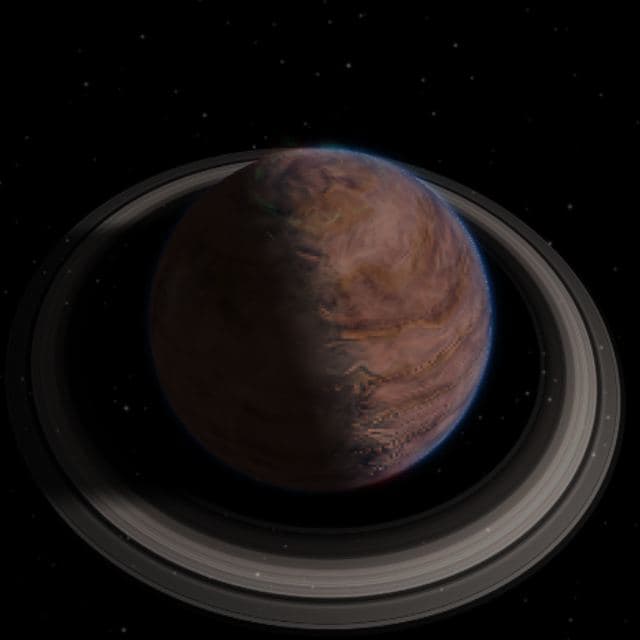
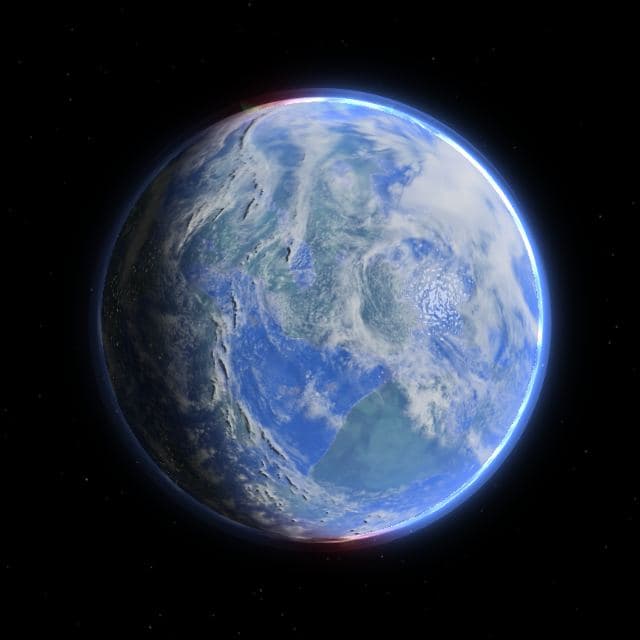
Just added
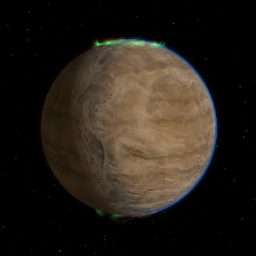
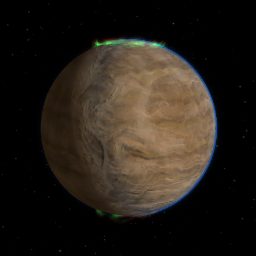
discovered 2026The latest confirmed planets in the archive, nearest first — already built and scored by the same physics as everything else here.
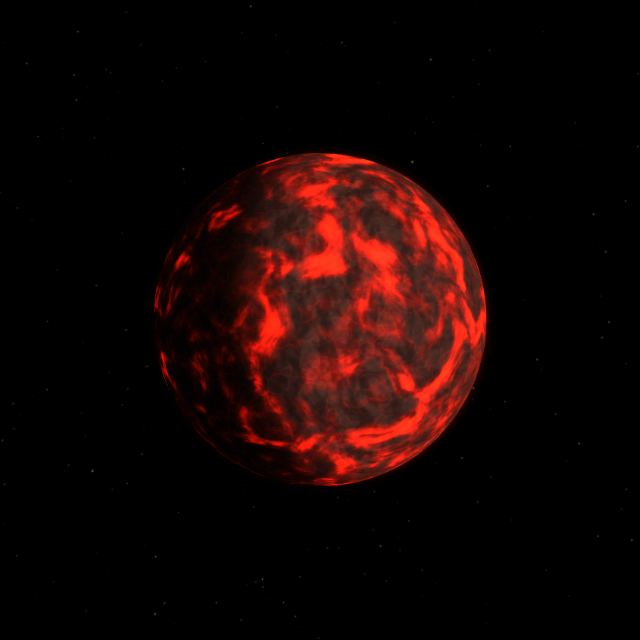
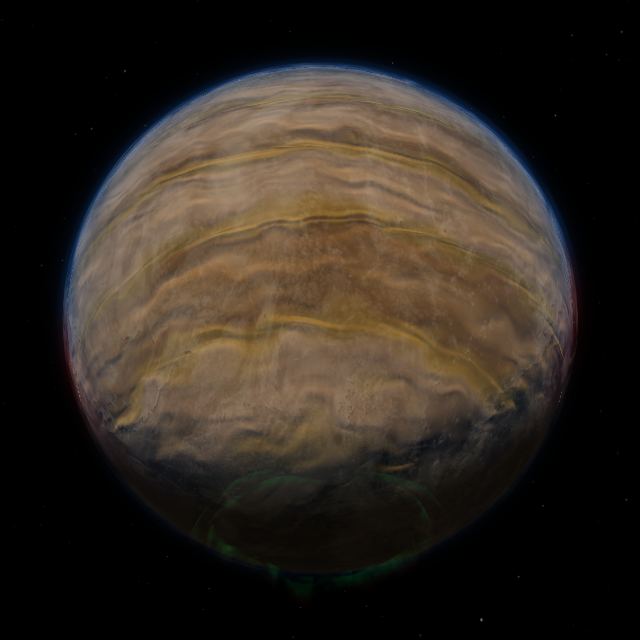
The most habitable
scored by TerraForge, not by NASA- 94
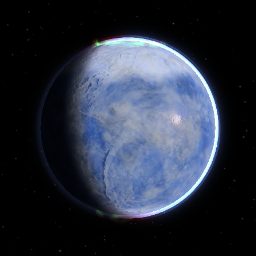 Kepler-296 fWater-RichK-type (Orange)
 - 94
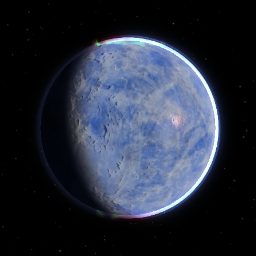 L 98-59 fWater-RichM-type (Red Dwarf)
 - 94
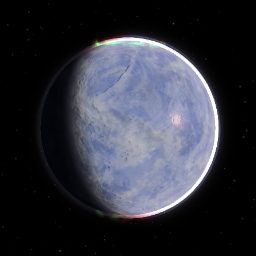 TOI-1266 dWater-RichM-type (Red Dwarf)
 - 94
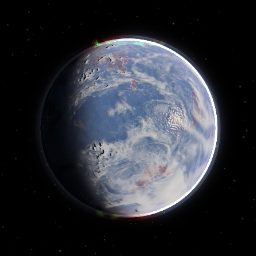 Kepler-395 cEarth LikeK-type (Orange)
 - 94
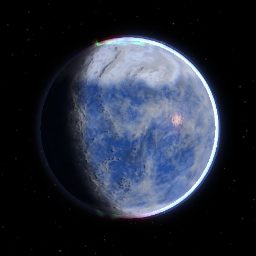 GJ 667 C fWater-RichM-type (Red Dwarf)
 - 94
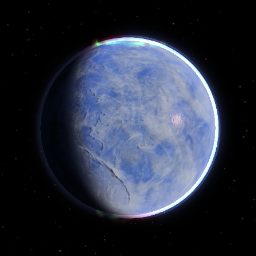 GJ 667 C cWater-RichM-type (Red Dwarf)
 - 94
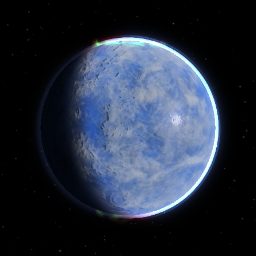 Kepler-1544 bWater-RichK-type (Orange)
 - 94
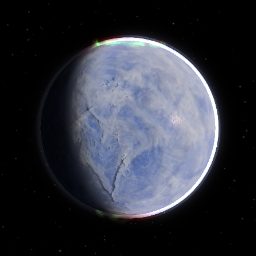 Kepler-440 bWater-RichK-type (Orange)
 - 94
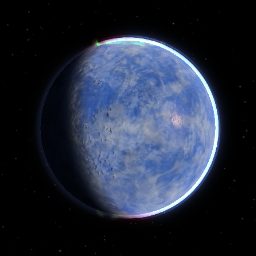 Kepler-296 eWater-RichK-type (Orange)
 - 94
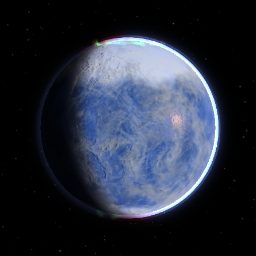 Gl 725 B cWater-RichM-type (Red Dwarf)
 - 94
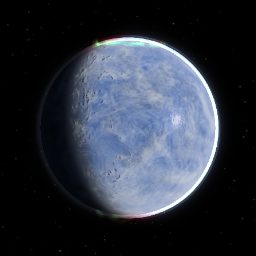 Kepler-1606 bWater-RichG-type (Yellow (Sun-like))
 - 94
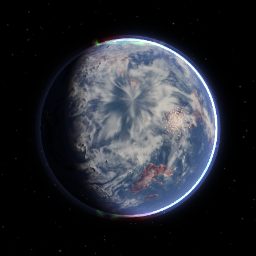 K2-72 eEarth LikeM-type (Red Dwarf)
Real star systems
Some of the most interesting systems we know of: worlds our simulation thinks could hold life, and the most crowded planetary systems yet found. Open one to watch every world orbit its star, then click any planet to visit it.
- GJ 667 C5 planets
24 light-years · M-type (Red Dwarf)
Most habitable: GJ 667 C f · 94
- L 98-595 planets
35 light-years · M-type (Red Dwarf)
Most habitable: L 98-59 f · 94
- Kepler-2965 planets
544 light-years · K-type (Orange)
Most habitable: Kepler-296 f · 94
- K2-724 planets
216 light-years · M-type (Red Dwarf)
Most habitable: K2-72 e · 94
- KOI-3518 planets
2,764 light-years · F-type (White)
Most habitable: KOI-351 h · 34
- TRAPPIST-17 planets
40 light-years · M-type (Red Dwarf)
Most habitable: TRAPPIST-1 c · 76
- HD 2191346 planets
21 light-years · K-type (Orange)
Most habitable: HD 219134 g · 26
- HD 1100676 planets
105 light-years · G-type (Yellow (Sun-like))
Most habitable: HD 110067 f · 33