2,213 real sub-neptunes
Confirmed exoplanets that come out as sub-neptunes when TerraForge builds them from NASA’s measurements — real mass, real orbit, real star, and this simulation’s own verdict on what that produces. Showing 1–60, most habitable first.
- 36
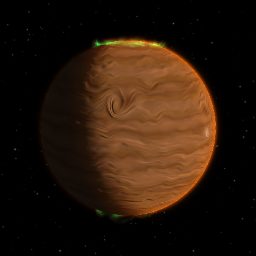 Kepler-1690 bSub-NeptuneG-type (Yellow (Sun-like))
 - 36
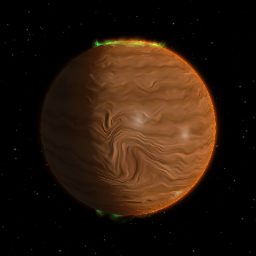 EPIC 212737443 cSub-NeptuneK-type (Orange)
 - 36
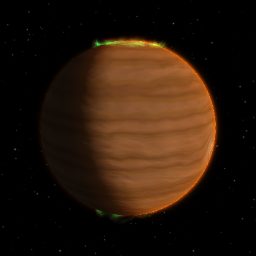 Kepler-1840 bSub-NeptuneK-type (Orange)
 - 36
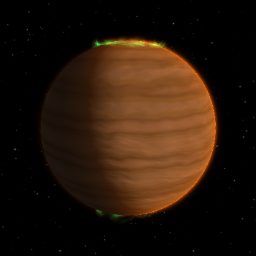 Kepler-1388 eSub-NeptuneK-type (Orange)
 - 36
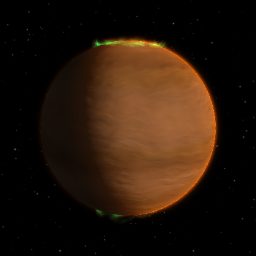 GJ 3998 dSub-NeptuneK-type (Orange)
 - 36
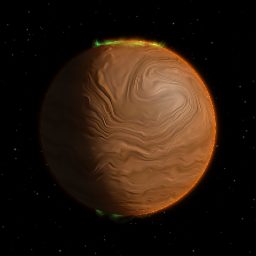 TOI-1266 dSub-NeptuneM-type (Red Dwarf)
TOI-1266 d is the third planet of TOI-1266, a red dwarf about 117 light-years away, and the only one of the three that does not cross in front of the star.
Learn more about TOI-1266 d - 36
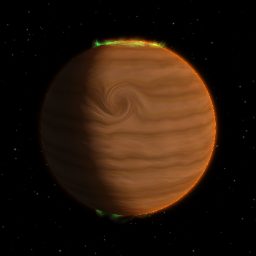 Kepler-1701 bSub-NeptuneK-type (Orange)
 - 36
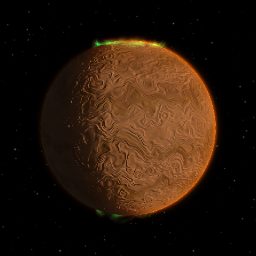 Kepler-1545 bSub-NeptuneG-type (Yellow (Sun-like))
 - 36
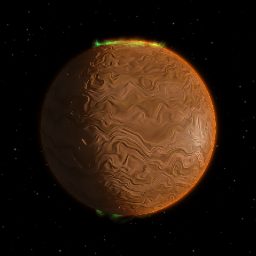 HD 219134 gSub-NeptuneK-type (Orange)
HD 219134 g is a planet reported by only one of the two teams that studied HD 219134, an orange dwarf star about 21 light-years away.
Learn more about HD 219134 g - 36
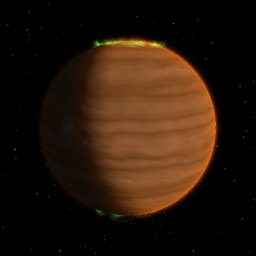 Kepler-725 cSub-NeptuneG-type (Yellow (Sun-like))
 - 36
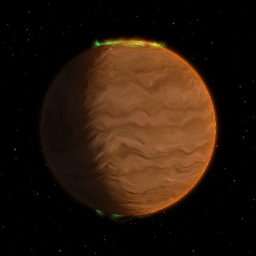 Kepler-1539 bSub-NeptuneK-type (Orange)
 - 36
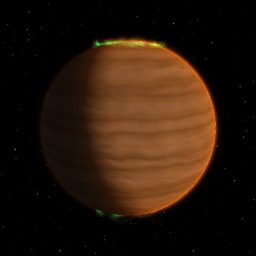 Kepler-351 dSub-NeptuneG-type (Yellow (Sun-like))
 - 36
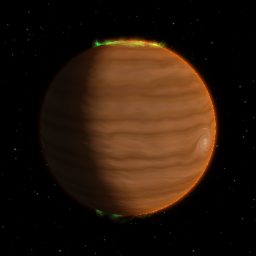 Kepler-1549 bSub-NeptuneG-type (Yellow (Sun-like))
 - 36
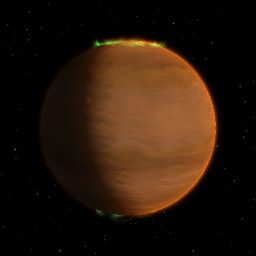 K2-18 bSub-NeptuneM-type (Red Dwarf)
Few distant worlds have drawn as much attention, or as much argument, as K2-18 b.
Learn more about K2-18 b - 36
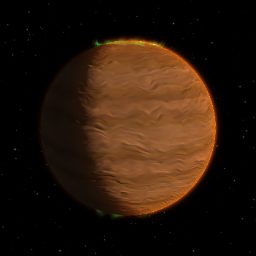 Kepler-1636 bSub-NeptuneG-type (Yellow (Sun-like))
 - 36
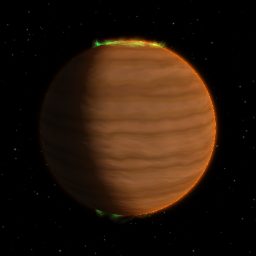 Kepler-443 bSub-NeptuneK-type (Orange)
Kepler-443 b is a planet about 2.3 times Earth's width in the habitable zone of an orange dwarf star about 2,600 light-years away.
Learn more about Kepler-443 b - 36
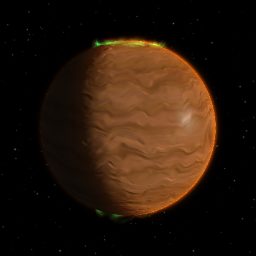 Kepler-1540 bSub-NeptuneK-type (Orange)
 - 36
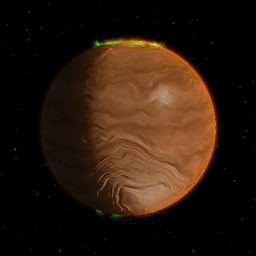 Kepler-1090 bSub-NeptuneG-type (Yellow (Sun-like))
 - 36
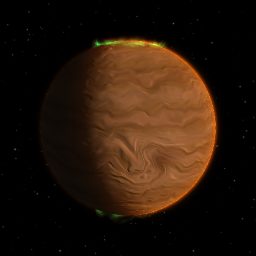 Kepler-705 bSub-NeptuneK-type (Orange)
Kepler-705 b is a planet about twice Earth's width orbiting a red dwarf about 900 light-years away.
Learn more about Kepler-705 b - 36
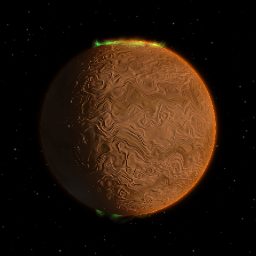 GJ 163 cSub-NeptuneM-type (Red Dwarf)
 - 36
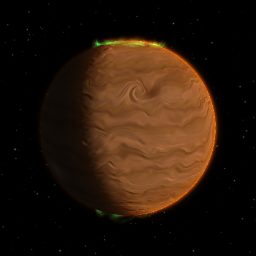 HD 40307 gSub-NeptuneK-type (Orange)
 - 36
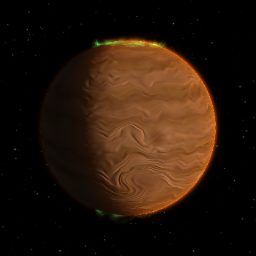 GJ 667 C cSub-NeptuneM-type (Red Dwarf)
Just 23.6 light-years away, GJ 667 C c orbits the faintest star of a triple-star system in the constellation Scorpius.
Learn more about GJ 667 C c - 36
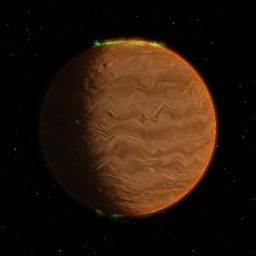 Kepler-1544 bSub-NeptuneK-type (Orange)
Kepler-1544 b is a planet about 1.8 times Earth's width in the habitable zone of an orange dwarf star about 1,100 light-years away.
Learn more about Kepler-1544 b - 36
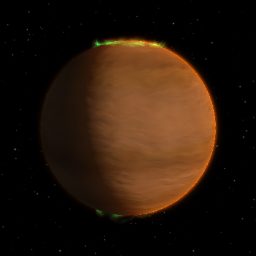 Kepler-61 bSub-NeptuneK-type (Orange)
 - 36
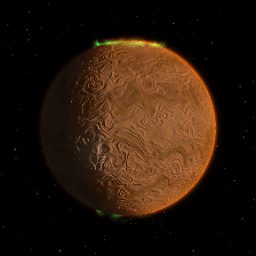 Kepler-309 cSub-NeptuneK-type (Orange)
 - 36
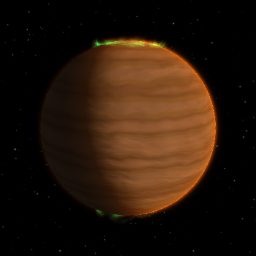 Kepler-235 eSub-NeptuneK-type (Orange)
 - 36
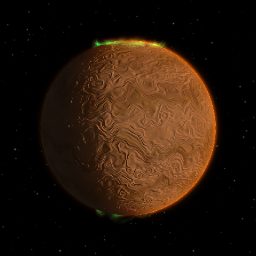 Kepler-26 eSub-NeptuneK-type (Orange)
 - 36
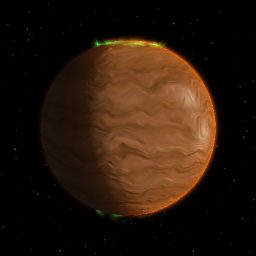 Kepler-437 bSub-NeptuneK-type (Orange)
 - 36
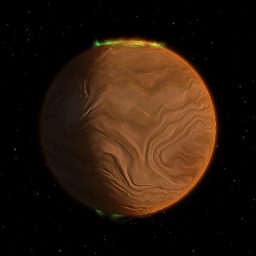 Kepler-439 bSub-NeptuneG-type (Yellow (Sun-like))
 - 36
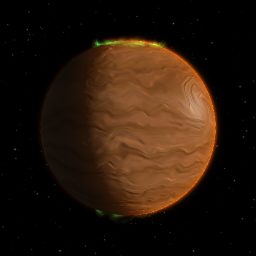 Kepler-440 bSub-NeptuneK-type (Orange)
Kepler-440 b is a planet about 1.9 times Earth's width in the habitable zone of an orange dwarf star about 980 light-years away.
Learn more about Kepler-440 b - 36
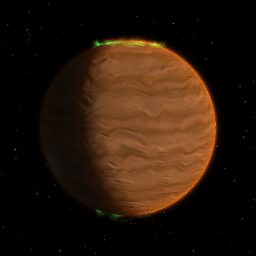 Kepler-453 bSub-NeptuneG-type (Yellow (Sun-like))
 - 36
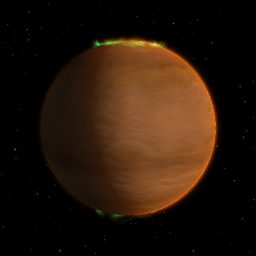 Kepler-296 dSub-NeptuneK-type (Orange)
Kepler-296 d is the largest of five planets around Kepler-296, a pair of red dwarfs about 550 light-years away.
Learn more about Kepler-296 d - 36
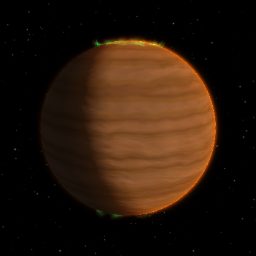 Kepler-1040 bSub-NeptuneG-type (Yellow (Sun-like))
 - 36
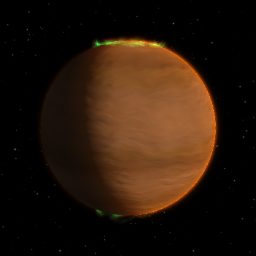 Kepler-991 bSub-NeptuneK-type (Orange)
 - 36
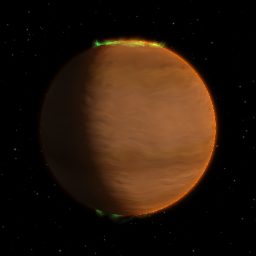 Kepler-1097 bSub-NeptuneG-type (Yellow (Sun-like))
 - 36
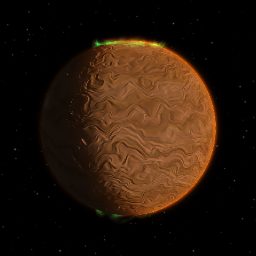 Kepler-1362 bSub-NeptuneK-type (Orange)
 - 36
 Kepler-1341 bSub-NeptuneK-type (Orange)
 - 36
 Kepler-1389 bSub-NeptuneK-type (Orange)
 - 36
 Kepler-1548 bSub-NeptuneG-type (Yellow (Sun-like))
 - 36
 Kepler-1550 bSub-NeptuneG-type (Yellow (Sun-like))
 - 36
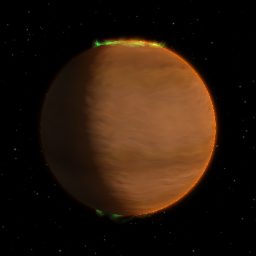 Kepler-1552 bSub-NeptuneG-type (Yellow (Sun-like))
 - 36
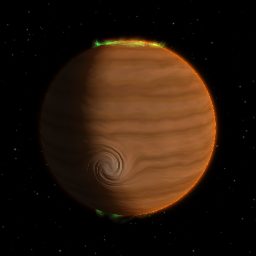 Kepler-1554 bSub-NeptuneG-type (Yellow (Sun-like))
 - 36
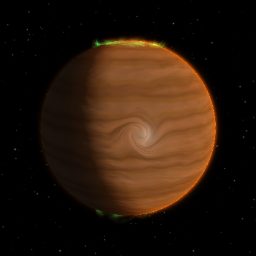 Kepler-1606 bSub-NeptuneG-type (Yellow (Sun-like))
Kepler-1606 b is a planet about twice Earth's width orbiting a star a little cooler than the Sun about 2,700 light-years away.
Learn more about Kepler-1606 b - 36
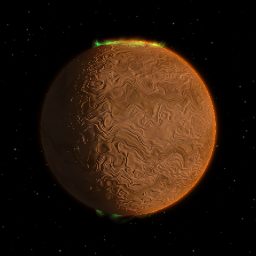 Kepler-1538 bSub-NeptuneG-type (Yellow (Sun-like))
 - 36
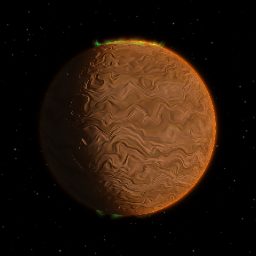 Kepler-1652 bSub-NeptuneM-type (Red Dwarf)
Kepler-1652 b is a planet about 1.6 times Earth's width in the habitable zone of a red dwarf about 820 light-years away, the range of distances where liquid water could…
Learn more about Kepler-1652 b - 36
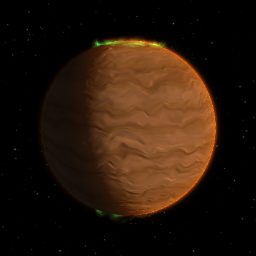 K2-125 bSub-NeptuneM-type (Red Dwarf)
 - 36
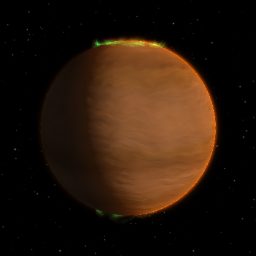 K2-155 dSub-NeptuneK-type (Orange)
K2-155 d is the outermost of three super-Earths crossing in front of K2-155, an early red dwarf about 240 light-years away.
Learn more about K2-155 d - 36
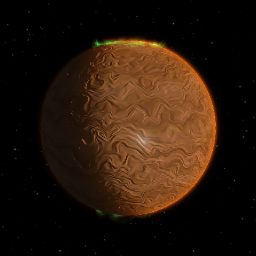 K2-133 eSub-NeptuneM-type (Red Dwarf)
 - 36
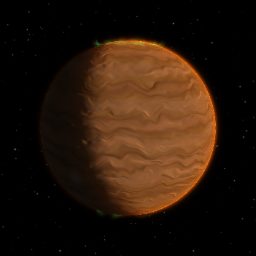 Kepler-47 cSub-NeptuneG-type (Yellow (Sun-like))
Kepler-47 c orbits two suns.
Learn more about Kepler-47 c - 36
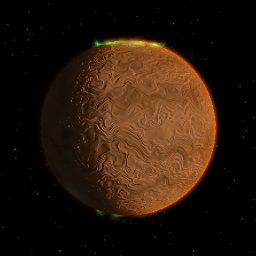 Kepler-47 dSub-NeptuneG-type (Yellow (Sun-like))
 - 36
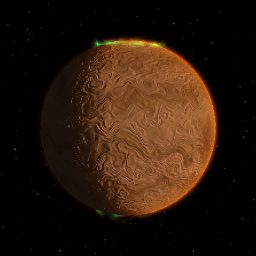 HD 31527 dSub-NeptuneG-type (Yellow (Sun-like))
 - 36
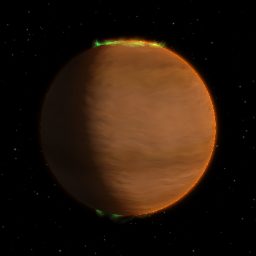 HD 103949 bSub-NeptuneK-type (Orange)
 - 36
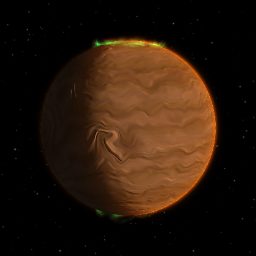 Kepler-1996 cSub-NeptuneK-type (Orange)
 - 36
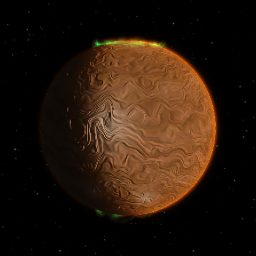 GJ 433 dSub-NeptuneM-type (Red Dwarf)
 - 36
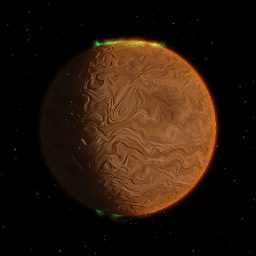 HD 216520 cSub-NeptuneK-type (Orange)
 - 36
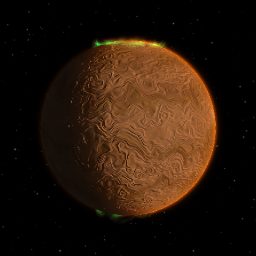 HIP 38594 bSub-NeptuneK-type (Orange)
 - 36
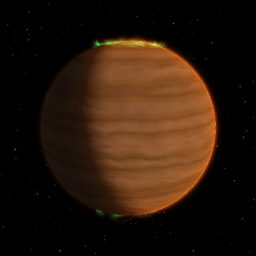 KOI-1783.02Sub-NeptuneG-type (Yellow (Sun-like))
 - 36
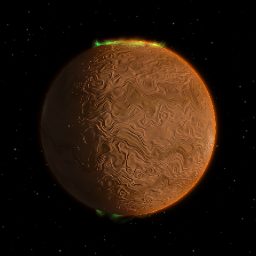 GJ 414 A bSub-NeptuneK-type (Orange)
 - 36
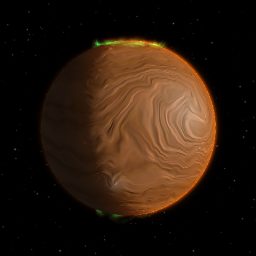 Kepler-1816 bSub-NeptuneK-type (Orange)
 - 36
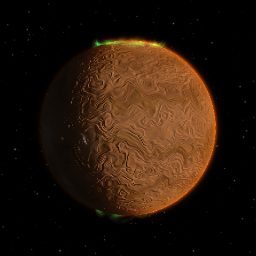 TOI-2257 bSub-NeptuneM-type (Red Dwarf)