Entering orbit…
AI assistant
Habitability
91/ 100
View planet
View star system
View surface
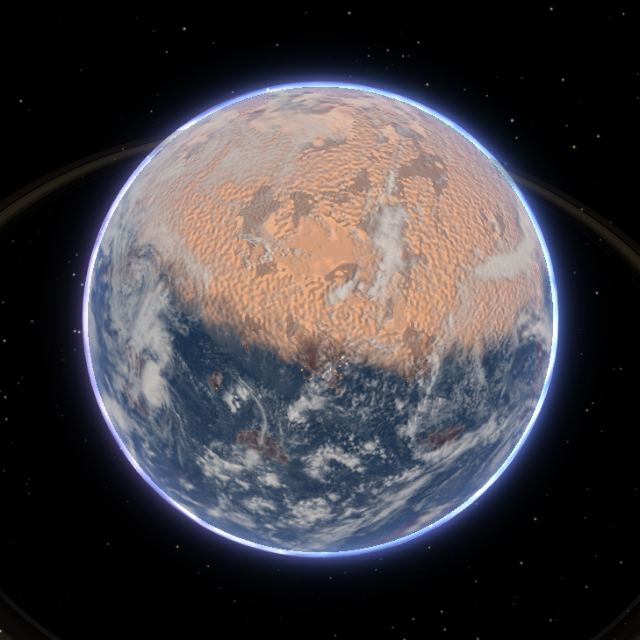
norto
- Mass
- 1.20 × Earth
- Radius
- 1.06 × Earth
- Gravity
- 1.06 g
- Surface
- 251 K
- Year
- 596 days
- Day
- 12.0 hrs
- Mass
- 1.20 × Earth
- Radius
- 1.06 × Earth
- Gravity
- 1.06 g
- Surface
- 251 K
- Year
- 596 days
- Day
- 12.0 hrs
norto1.23 AUEarth LikeYou are here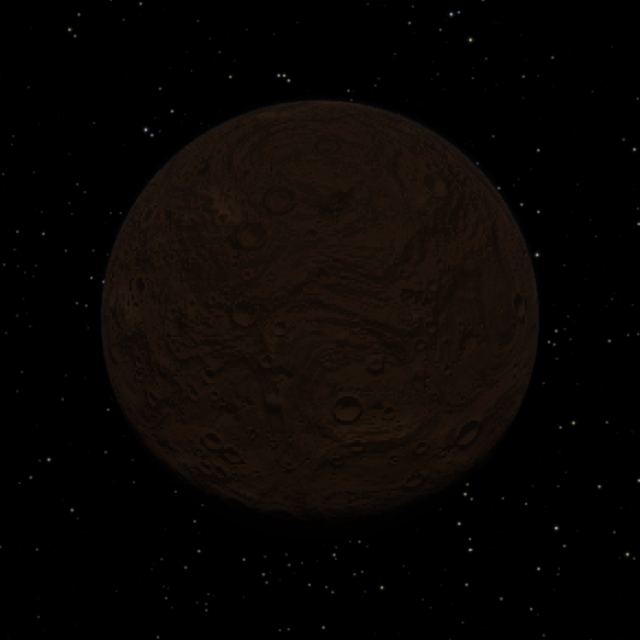
Habitable zoneDebris belt
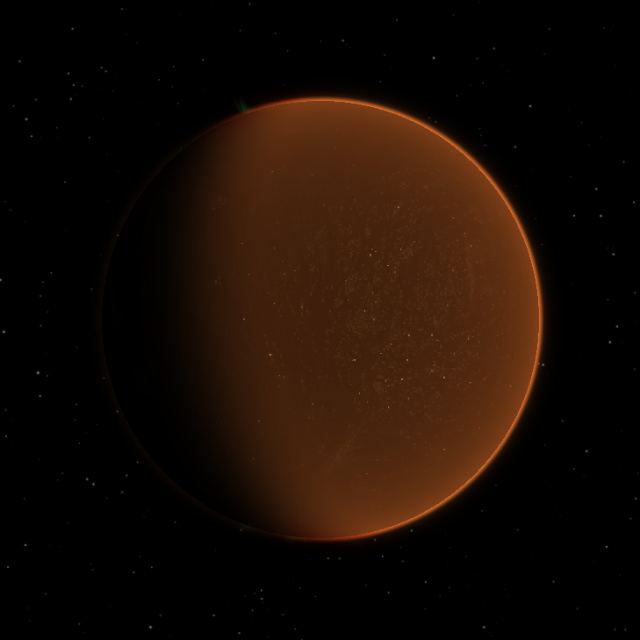
Star and planets drawn to scale (a typical star of its class), with only the star's edge in view. Orbits spaced as in the star system view.
norto's moons
1 moon
Moon 2Carbon · 75,800 km
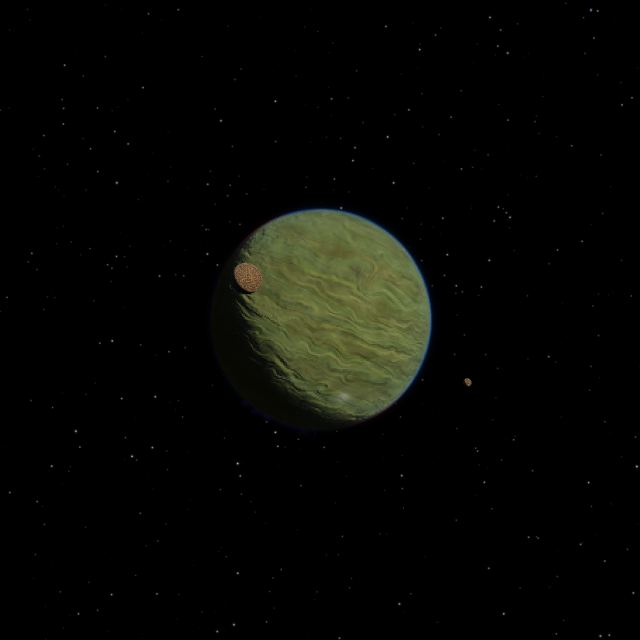
Planet, moons and orbits drawn to one scale; the smallest moons are enlarged so they can be seen.
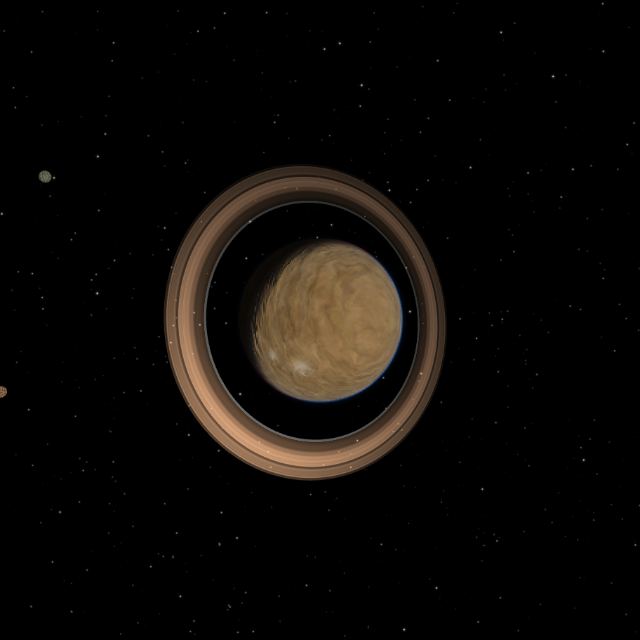
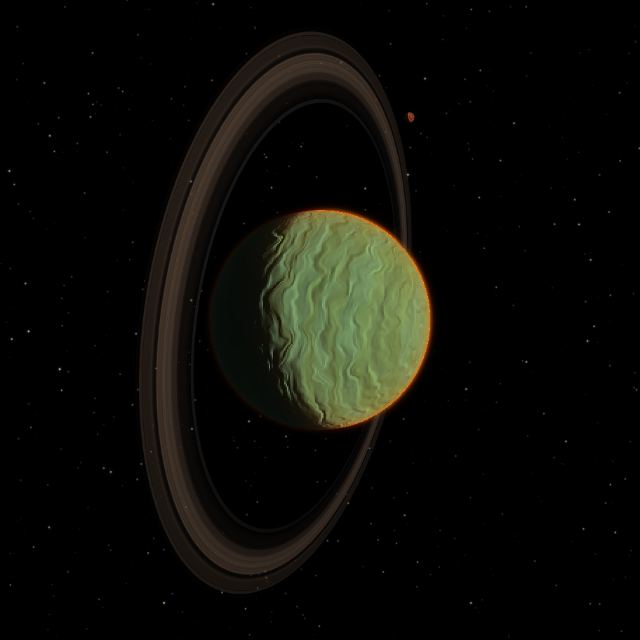
its like every planet in this system has rings
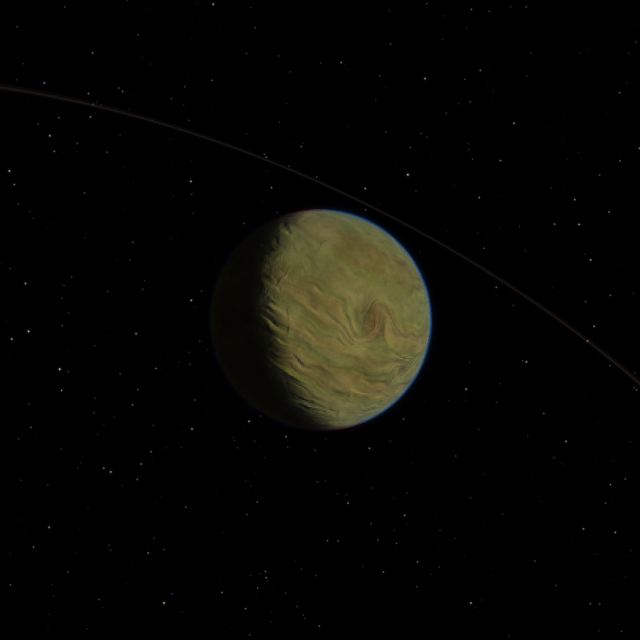
Surface. Rocky surface with continents, oceans, and active plate tectonics. Diverse biomes if life present.
✓ Conditions could support life. This planet’s modelled conditions could support biological processes: stable temperatures, liquid water and the chemistry life as we know it needs. That makes life possible, not present.
Earth Like
✦ doromso-2-14-B
Your planet has a balanced composition with all CHNOPS elements, proper mass (1.2x Earth), and sits in the habitable zone at 1.23 AU.Life possibleMagnetic FieldModerate Activity
Earth-like planets have the perfect combination of composition, temperature, mass, and magnetic field to potentially support complex life as we know it.
Classification Criteria:
✓ All CHNOPS elements present (C, H, N, O, P, S)✓ Mass: 1.2x Earth (0.5-2.0x range)✓ Temperature: 251K (250-320K range)✓ Magnetic field present✓ Distance: 1.23 AU (habitable zone)
Habitability ScoreHighly Habitable
Contributing Factors
water81
Abundant water - mostly frozen
geology90
Active geology recycles nutrients and drives carbon cycle
rotation65
Slow rotation - significant day/night temperature variations, but life can adapt
Organic Chemistry100
All CHNOPS elements present - building blocks of life (tidal pools cycle wet and dry - a boost for prebiotic chemistry)
atmosphere100
Nitrogen-oxygen atmosphere with trace CO₂, water vapor, and argon
Nitrogen-oxygen atmosphere - breathable and protectivetemperature70
Challenging but potentially habitable temperature
magnetic Field100
Magnetic field provides radiation protection
Physical Properties
Mass
1.20x Earth (7.17e+24 kg)Radius
1.06x Earth (6,770 km)Surface Gravity
1.06x Earth (10.4 m/s²)Surface Temperature
251 K (-22 °C / -8 °F)Rotation Period
12.0 hours/day (faster than Earth)Elemental Composition
Closest Real Exoplanet
Teegarden's Star c88% similar
Orbiting Teegarden's Star| Yours | Teegarden's Star c | |
|---|---|---|
| Mass | 1.20 × Earth | 1.05 × Earth |
| Radius | 1.05 × Earth | 1.02 × Earth |
| Density (composition) | 5.69 g/cm³ | 5.45 g/cm³ |
| Temperature | 250.8 K | 209.0 K |
| Starlight received | 0.26 × Earth | 0.35 × Earth |
| Star temperature | 4,450 K | 3,034 K |
Moons
Moon 1rings
Inside the Roche limit (2.80 planet radii): torn apart into a ring system.
Moon 2stableCarbon-rich
Small and distant: a quiet, stable companion.
+4 chemistry: tidal pools cycle wet and dry - a boost for prebiotic chemistry