Entering orbit…
AI assistant
Habitability
12/ 100
View planet
View star system
View surface
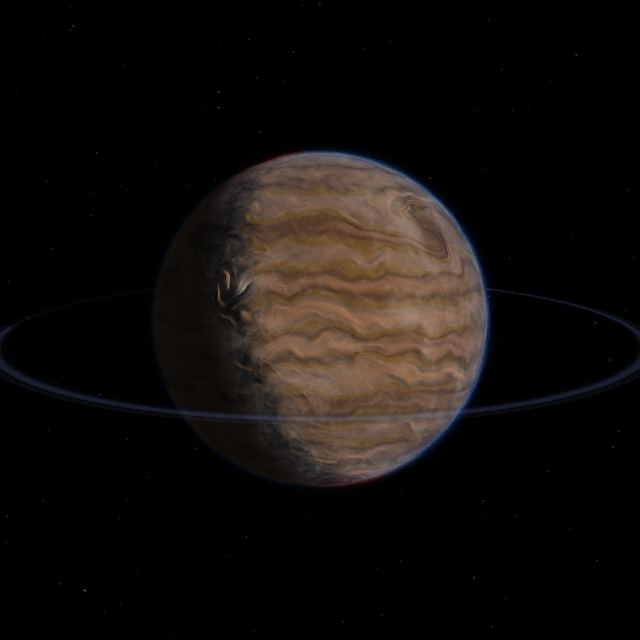
Lue
- Mass
- 9.80 × Earth
- Radius
- 2.14 × Earth
- Gravity
- 2.14 g
- Surface
- 83 K
- Year
- 14,771 years
- Day
- 13.2 days
- Mass
- 9.80 × Earth
- Radius
- 2.14 × Earth
- Gravity
- 2.14 g
- Surface
- 83 K
- Year
- 14,771 years
- Day
- 13.2 days
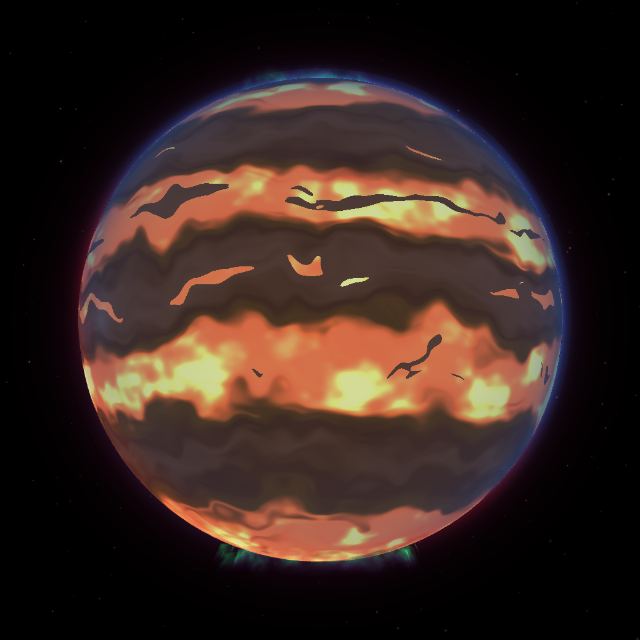
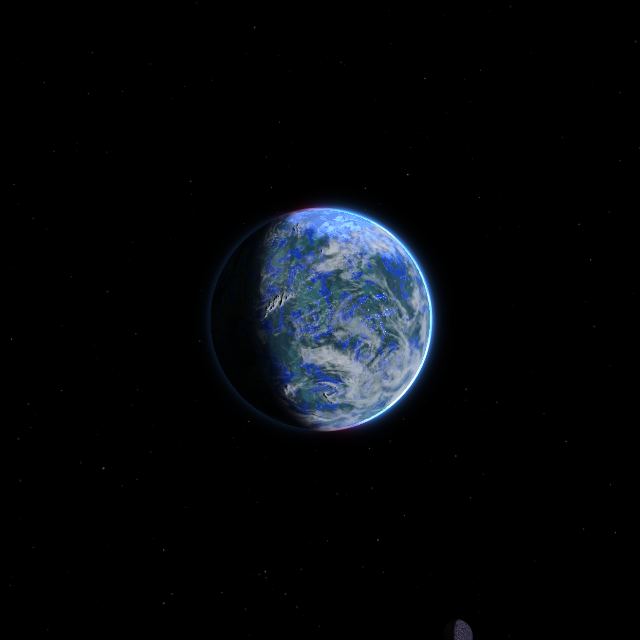
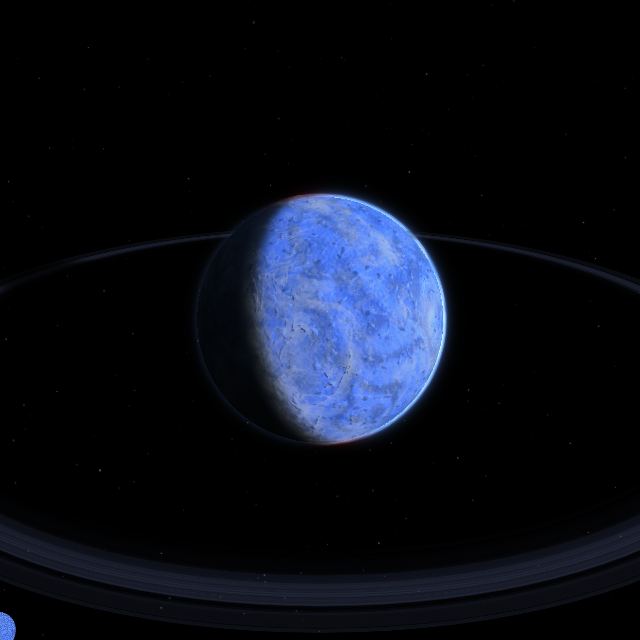
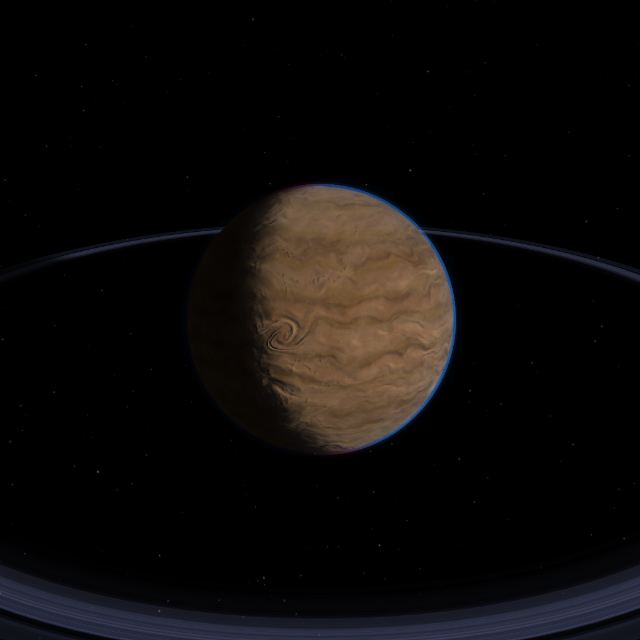
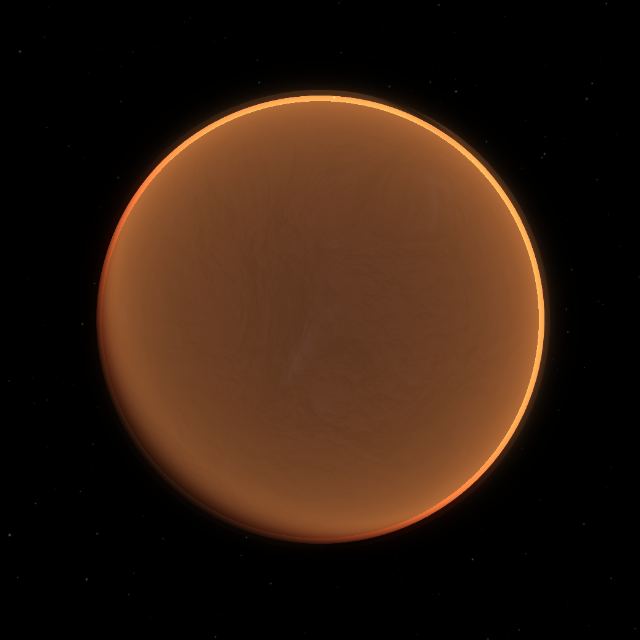
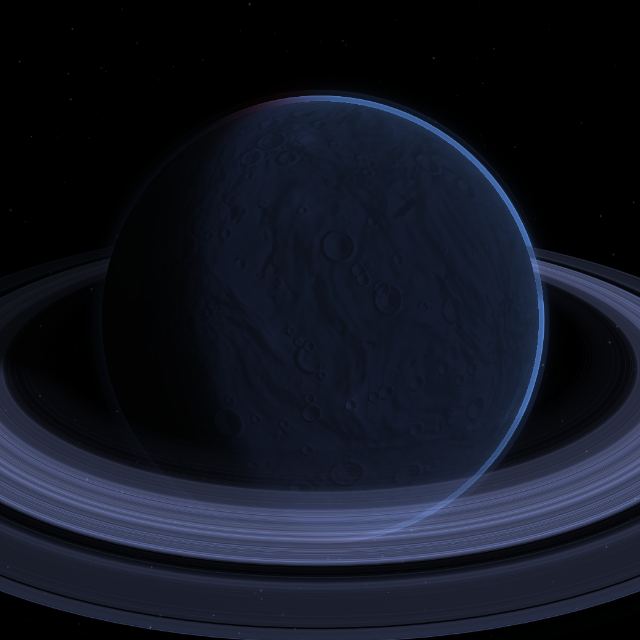
 Lue1297.00 AUIce GiantYou are here
Habitable zoneDebris belt
Star and planets drawn to scale (a typical star of its class), with only the star's edge in view. Orbits spaced as in the star system view.
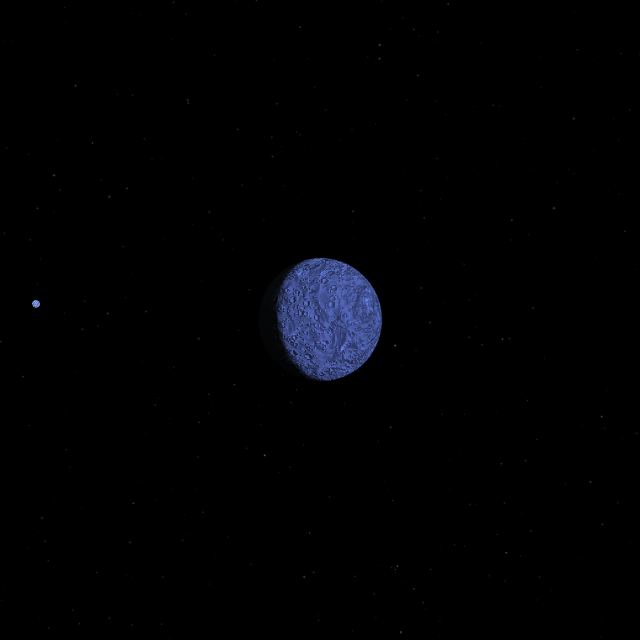
Lue's moons
3 moons
Moon 3Ice · 1,363,400 km
Moon 7Ice · 773,400 km
Moon 8Ice · 588,600 km
Planet, moons and orbits drawn to one scale; the smallest moons are enlarged so they can be seen.
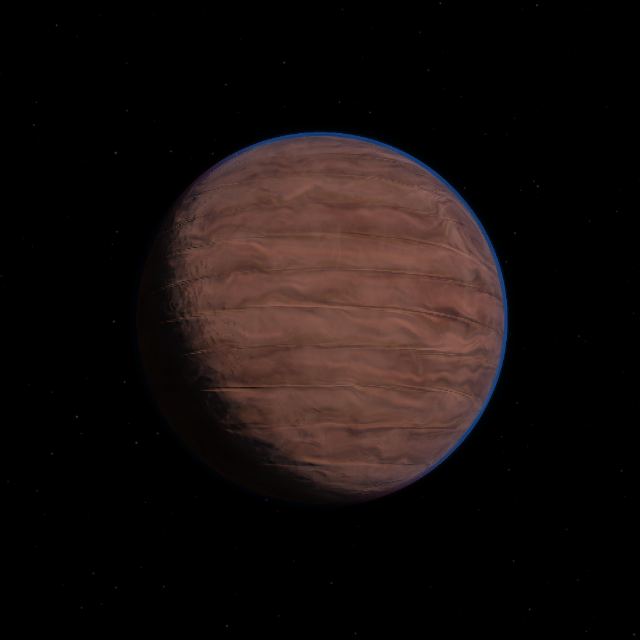
Lue. A normal Ice giant, except for the fact that it's about 1297 AU more than earth is to the sun to Pariah. Oh, and that it takes 15,000 years to orbit Pariah. it had 8 moons, but 5 of them merged with the others, causing only 3 of them to live. It also has rings.
Surface. Icy mantle surrounding rocky core, with hydrogen-helium atmosphere
Ice Giant
✦ Pariah
Your planet has moderate mass (9.8x Earth) with significant water, carbon, and nitrogen content, characteristic of ice giants.Magnetic FieldModerate Activity
Ice giants like Uranus and Neptune have icy interiors with thick atmospheres of hydrogen and helium, but not enough to be classified as gas giants.
Classification Criteria:
✓ Mass: 9.8x Earth (5-20x range)✓ Water/Carbon/Nitrogen rich composition
Habitability ScoreUninhabitable
Contributing Factors
water15
No solid surface — any water is locked in a supercritical mantle and hot ice, not oceans
geology90
Active geology recycles nutrients and drives carbon cycle
rotation30
Very slow rotation - days and nights each last several Earth days, bringing severe temperature swings
Organic Chemistry80
Core organic elements (CHNO) present
atmosphere18
Hydrogen and helium with water, methane, and ammonia ices
Hydrogen-rich atmosphere typical of gas giants (partially stripped by slow rotation)temperature10
Frozen world - minimal potential for complex life
magnetic Field100
Magnetic field provides radiation protection
Physical Properties
Mass
9.80x Earth (5.85e+25 kg)Radius
2.14x Earth (13,634 km)Surface Gravity
2.14x Earth (21.0 m/s²)Surface Temperature
83 K (-190 °C / -310 °F)Rotation Period
317.0 hours/day (slower than Earth)Elemental Composition
Closest Real Exoplanet
GJ 1151 c67% similar
Orbiting GJ 1151| Yours | GJ 1151 c | |
|---|---|---|
| Mass | 9.80 × Earth | 10.6 × Earth |
| Radius | 3.23 × Earth | 3.25 × Earth |
| Density (composition) | 1.60 g/cm³ | 1.70 g/cm³ |
| Temperature | 83.1 K | 88.0 K |
| Starlight received | 0.01 × Earth | 0.01 × Earth |
| Star temperature | 20,000 K | 3,280 K |
Moons
Moon 1merged
Merged with an adjacent moon: too close for both to hold a stable orbit.
Moon 2merged
Merged with an adjacent moon: too close for both to hold a stable orbit.
Moon 3stable
Small and distant: a quiet, stable companion.
Moon 4merged
Merged with an adjacent moon: too close for both to hold a stable orbit.
Moon 5merged
Merged with an adjacent moon: too close for both to hold a stable orbit.
Moon 6rings
Inside the Roche limit (1.92 planet radii): torn apart into a ring system.
Moon 7stable
Small and distant: a quiet, stable companion.
Moon 8receding
Outside the synchronous orbit: slowly receding, like Luna (~cm per year).