Entering orbit…
AI assistant
Habitability
8/ 100
View planet
View star system
View surface
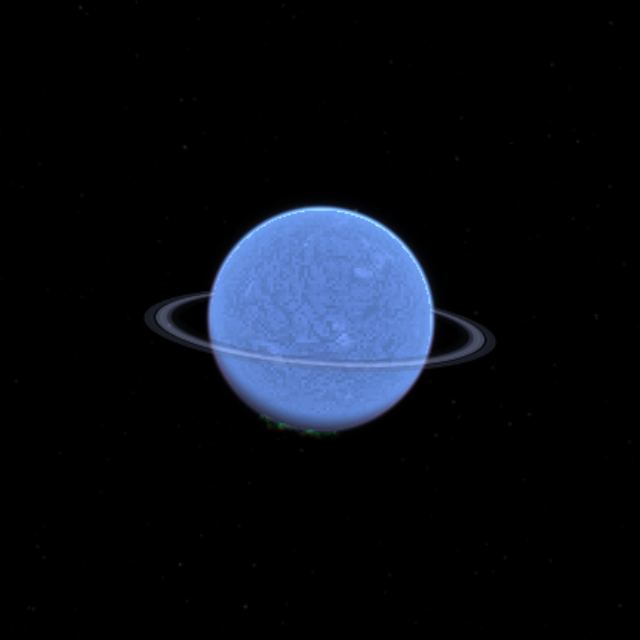
LAKRAHKL-018-290A
- Mass
- 2.20 × Earth
- Radius
- 1.30 × Earth
- Gravity
- 1.30 g
- Surface
- 767 K
- Year
- 195 days
- Day
- 24.0 hrs
- Mass
- 2.20 × Earth
- Radius
- 1.30 × Earth
- Gravity
- 1.30 g
- Surface
- 767 K
- Year
- 195 days
- Day
- 24.0 hrs
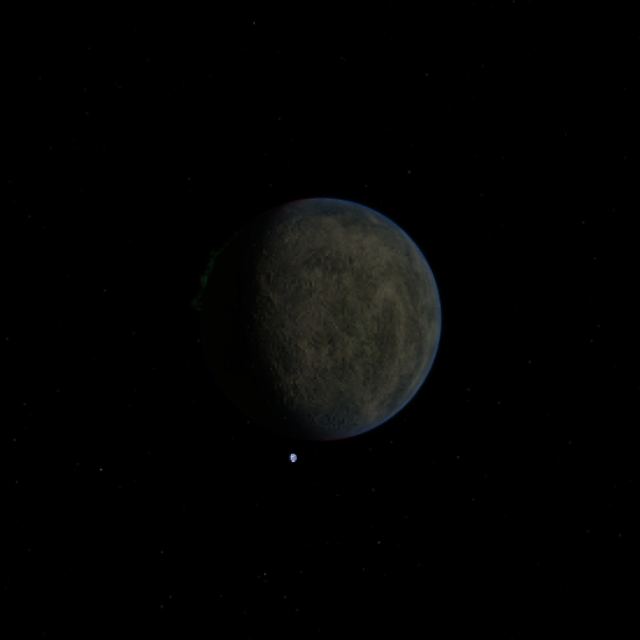 LAKRAHKL-018-290A0.83 AURocky TerrestrialYou are here
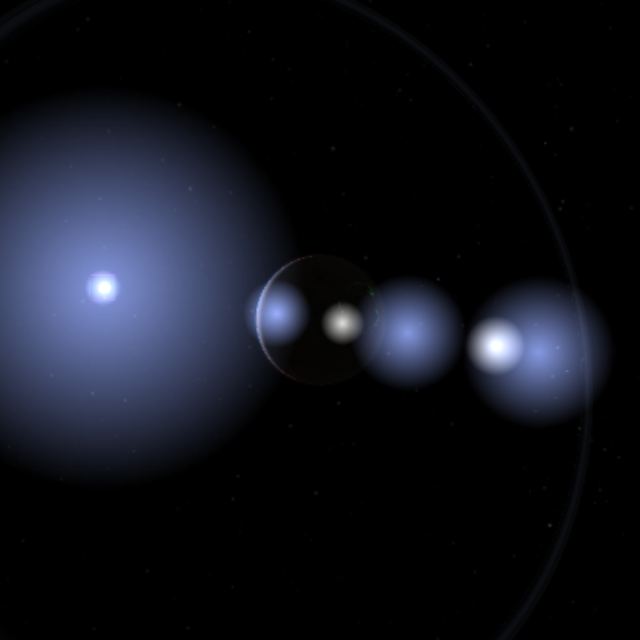
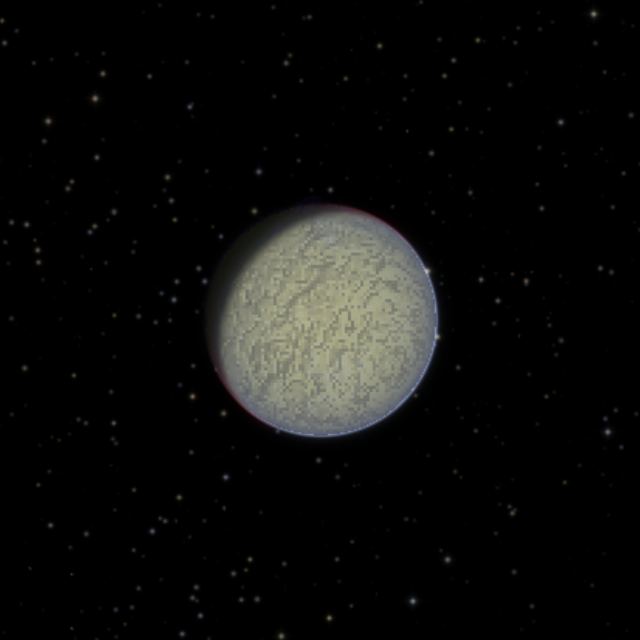
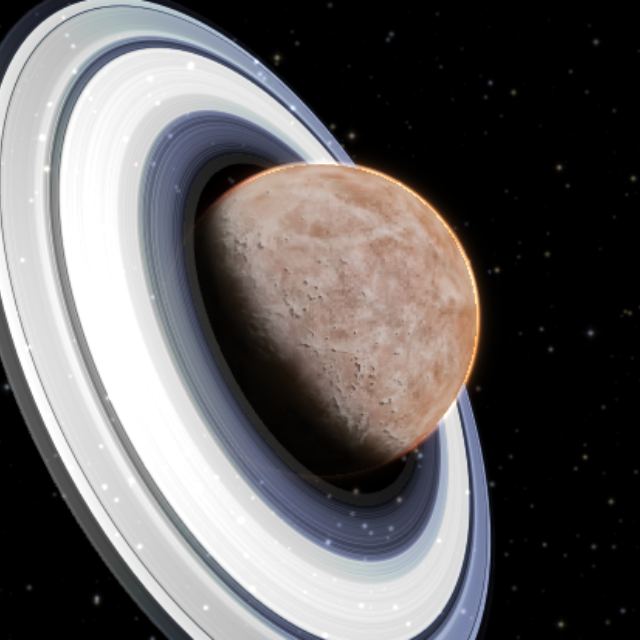
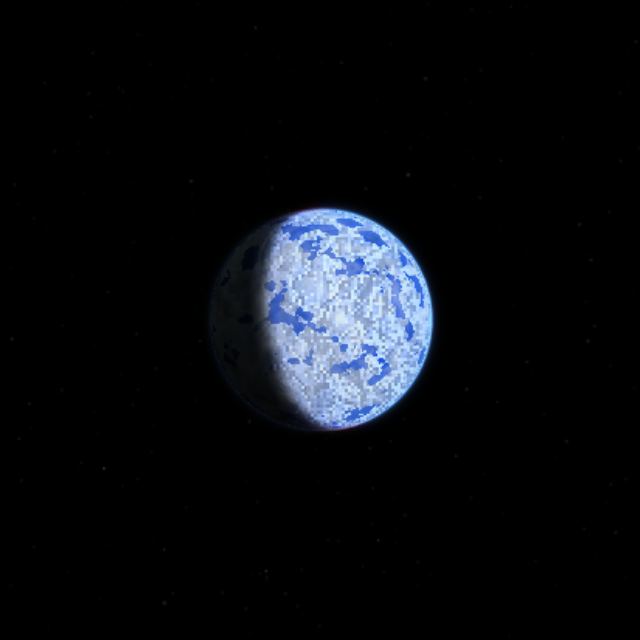
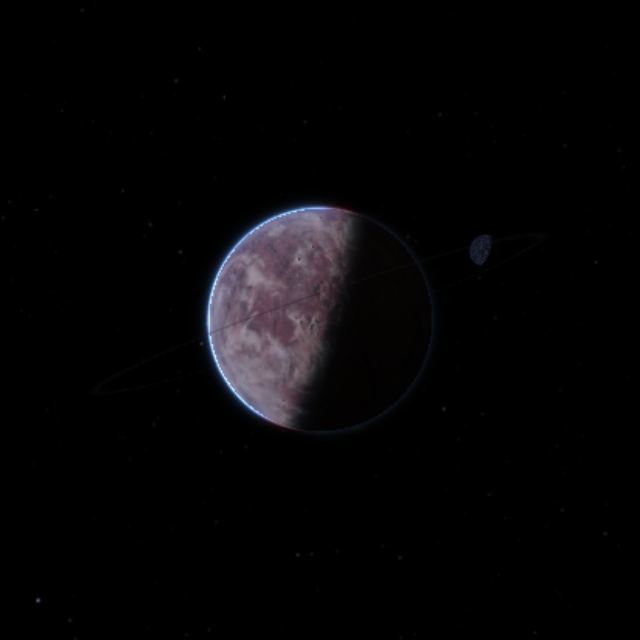
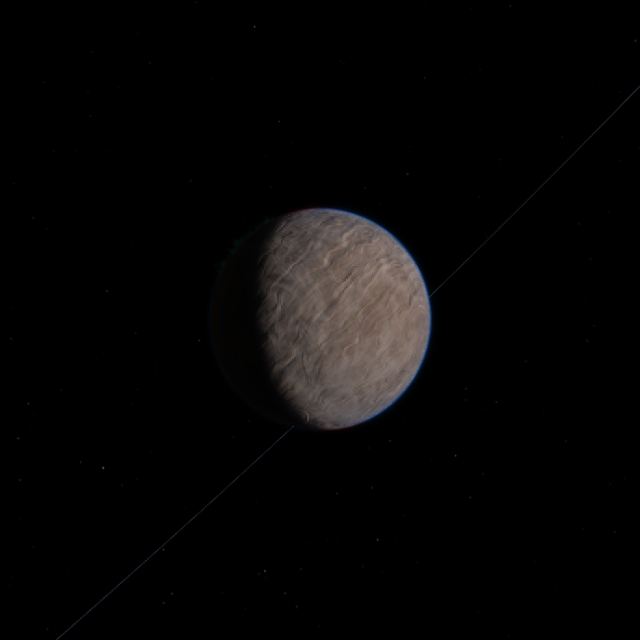
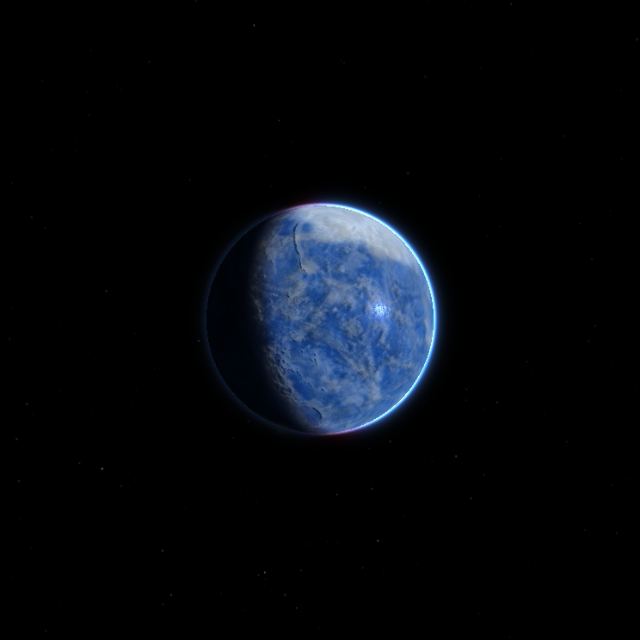
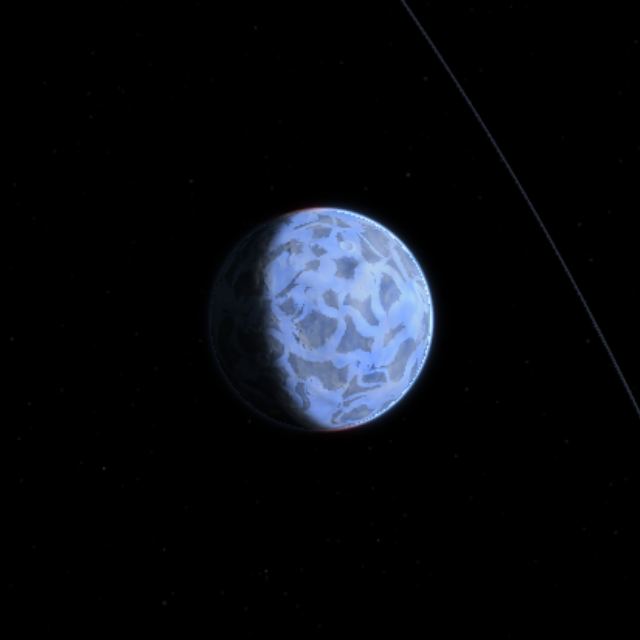
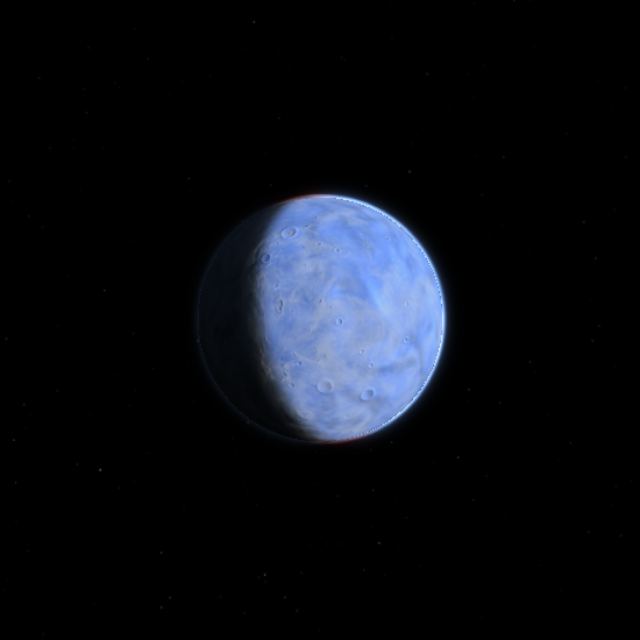
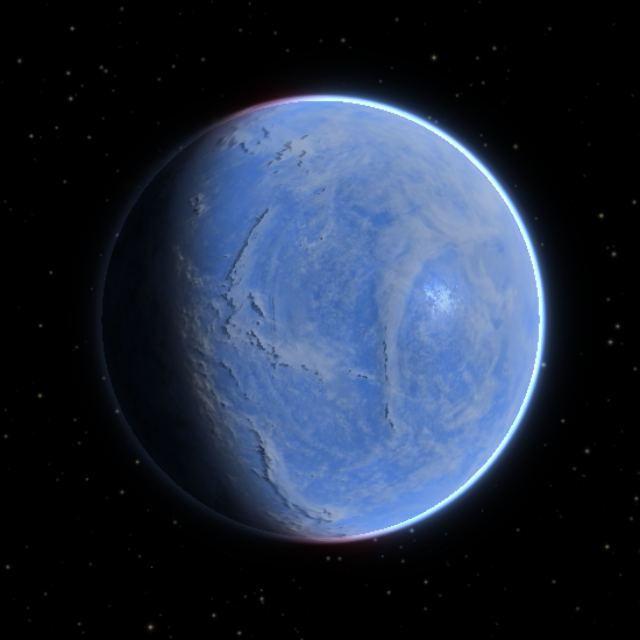
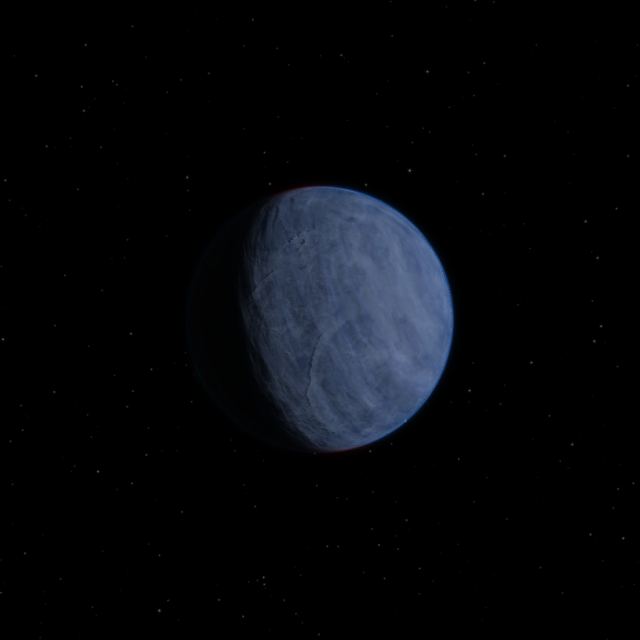
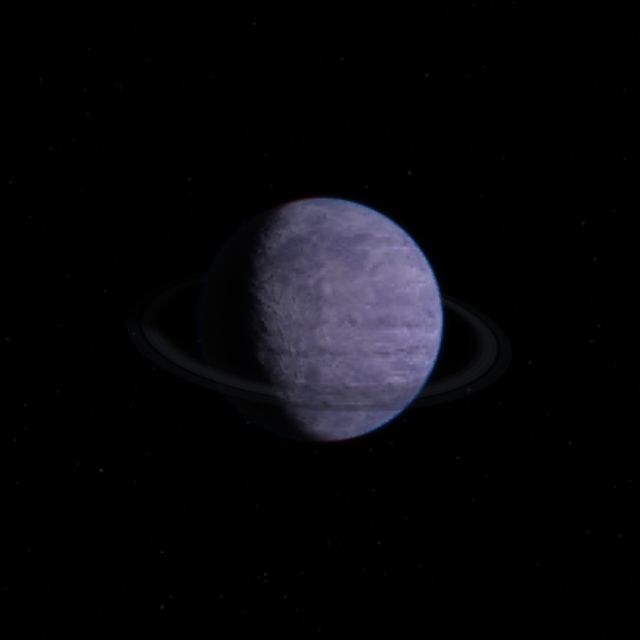
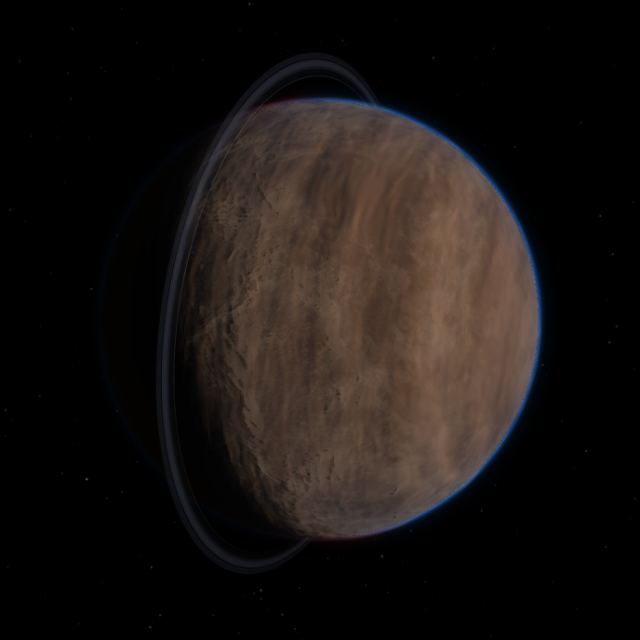
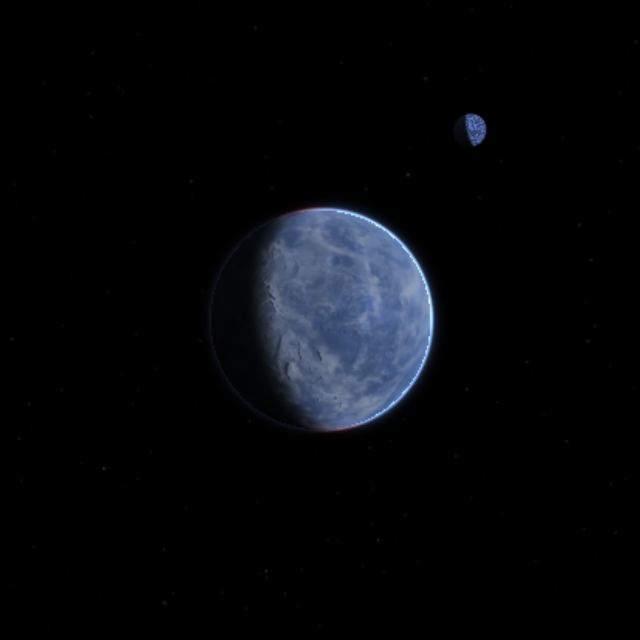
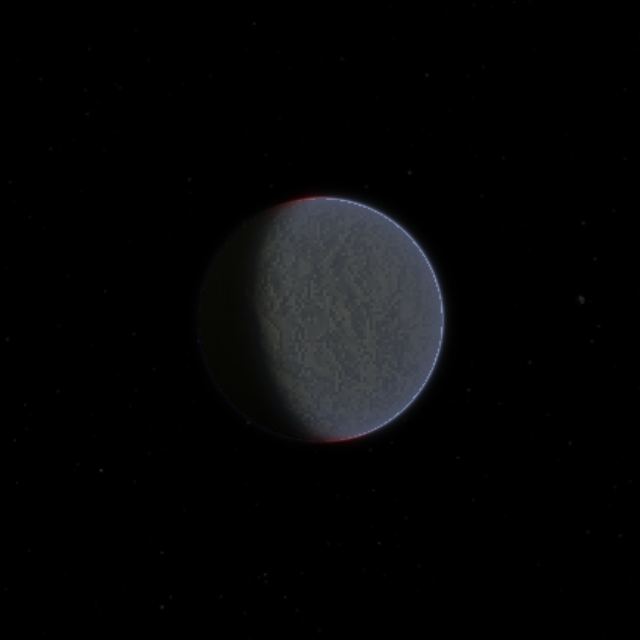
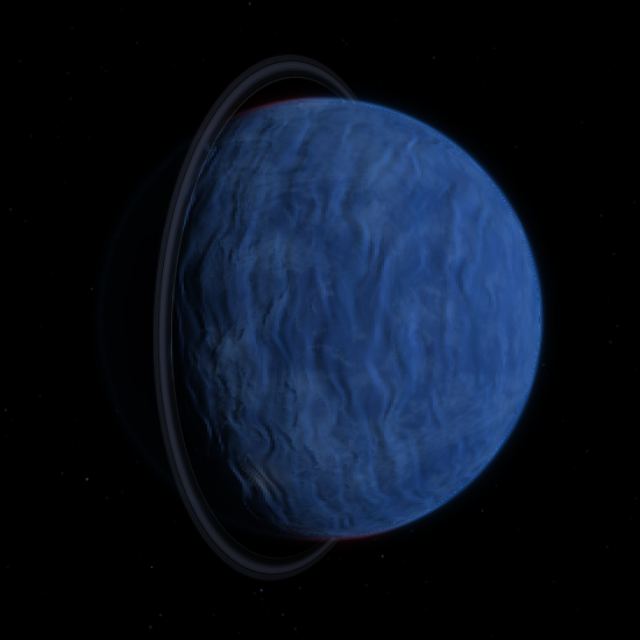
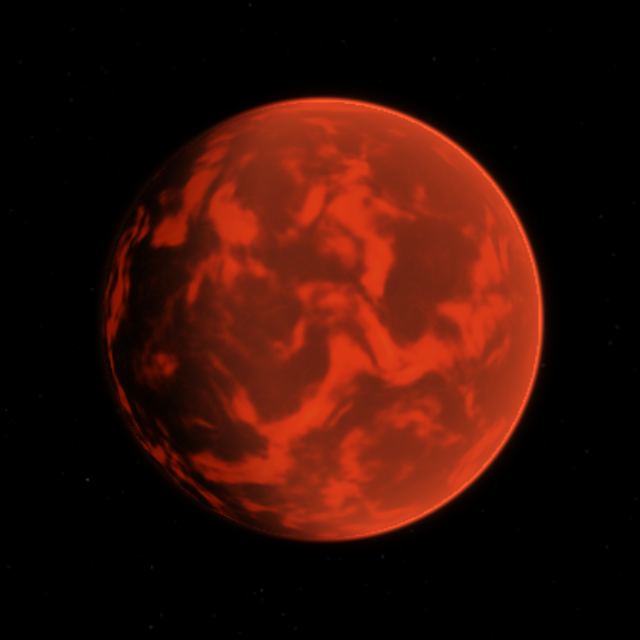
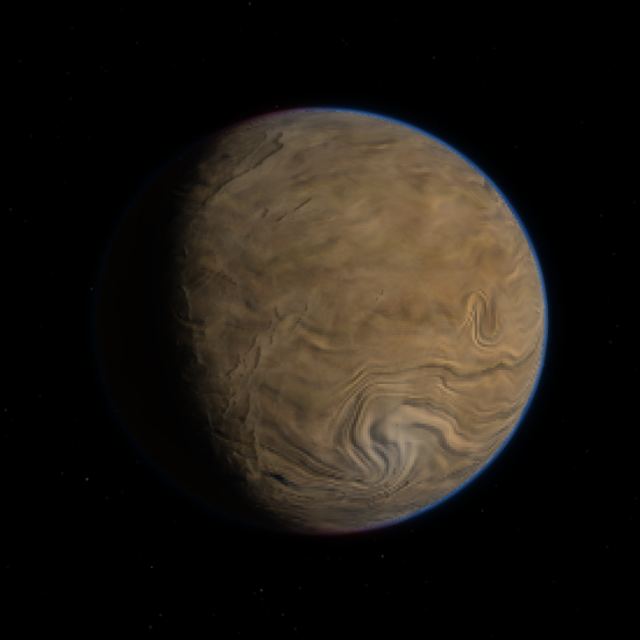
Habitable zone
Star and planets drawn to scale (a typical star of its class), with only the star's edge in view. Orbits spaced as in the star system view.
LAKRAHKL-018-290A's moons
2 moons
aio4gVolcanic · 149,100 km
FrakenVolcanic · 265,200 km
Planet, moons and orbits drawn to one scale; the smallest moons are enlarged so they can be seen.
What the f**k did i made
Surface. Rocky surface with impact craters, possible volcanic features
Rocky Terrestrial
✦ LAKRA system
Your planet is dominated by silicate (16.2%) and iron (9.0%) content, forming a rocky terrestrial body.Magnetic FieldHigh Activity
Rocky terrestrial planets are primarily composed of silicate rocks and metals. They're the most common type of small planet in the universe.
Classification Criteria:
✓ Silicon: 16.2% + Iron: 9.0% + Magnesium: 7.2%✓ Mass: 2.2x Earth (terrestrial range)
Habitability ScoreUninhabitable
Contributing Factors
water9
Limited water content - boiling away, little would be retained
geology90
Active geology recycles nutrients and drives carbon cycle
rotation45
Near tidally locked - one hemisphere perpetually scorched, other frozen, narrow habitable twilight zone only
Organic Chemistry20
Limited organic chemistry potential
atmosphere62
Thin nitrogen atmosphere
Nitrogen atmosphere provides protection but not breathable (its active star has stripped much of its air)temperature8
Scorching - hot enough to melt lead, though rock stays solid; no chance for life (large moon stabilizes the axial tilt - steady seasons)
magnetic Field100
Magnetic field provides radiation protection
Physical Properties
Mass
2.20x Earth (1.31e+25 kg)Radius
1.30x Earth (8,286 km)Surface Gravity
1.30x Earth (12.8 m/s²)Surface Temperature
767 K (494 °C / 922 °F)Rotation Period
24.0 hours/dayElemental Composition
Closest Real Exoplanet
Kepler-1952 b92% similar
Orbiting Kepler-1952| Yours | Kepler-1952 b | |
|---|---|---|
| Mass | 2.20 × Earth | 2.07 × Earth |
| Radius | 1.25 × Earth | 1.24 × Earth |
| Density (composition) | 6.16 g/cm³ | 5.98 g/cm³ |
| Temperature | 767.4 K | 725.0 K |
| Starlight received | 58.1 × Earth | 65.3 × Earth |
| Star temperature | 8,750 K | 5,973 K |
Moons
HO-312rings
Inside the Roche limit (2.80 planet radii): torn apart into a ring system.
aio4grecedingVolcanic
Outside the synchronous orbit: slowly receding, like Luna (~cm per year).
Tidal braking locked the planet to its moon: one face forever moonward.
Tidal flexing melts its interior: an actively volcanic surface (Io-like).
RAGNAmerged
Merged with an adjacent moon: too close for both to hold a stable orbit.
FrakenrecedingVolcanic
Outside the synchronous orbit: slowly receding, like Luna (~cm per year).
Tidal flexing melts its interior: an actively volcanic surface (Io-like).
WA-09merged
Merged with an adjacent moon: too close for both to hold a stable orbit.
+5 temperature: large moon stabilizes the axial tilt - steady seasons+4 chemistry: tidal pools cycle wet and dry - a boost for prebiotic chemistry