Entering orbit…
AI assistant
Habitability
20/ 100
View planet
View star system
View surface
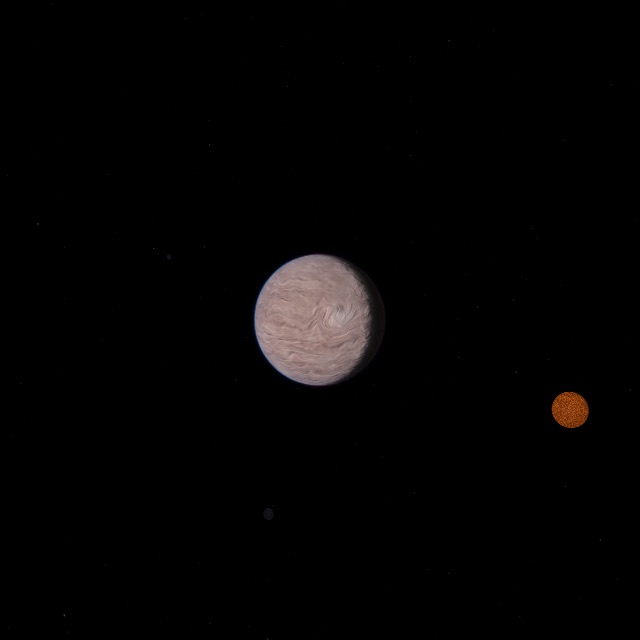
Xiaomi p
- Mass
- 14.00 × Earth
- Radius
- 2.41 × Earth
- Gravity
- 2.41 g
- Surface
- 242 K
- Year
- 8.9 years
- Day
- 17.0 hrs
- Mass
- 14.00 × Earth
- Radius
- 2.41 × Earth
- Gravity
- 2.41 g
- Surface
- 242 K
- Year
- 8.9 years
- Day
- 17.0 hrs
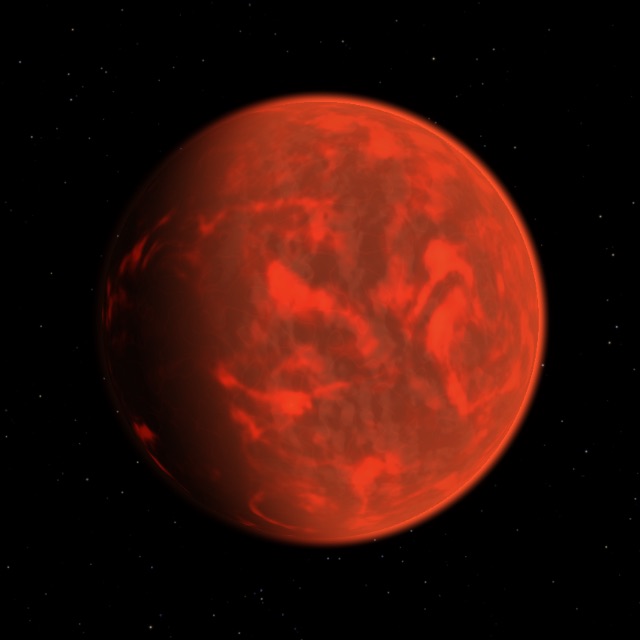
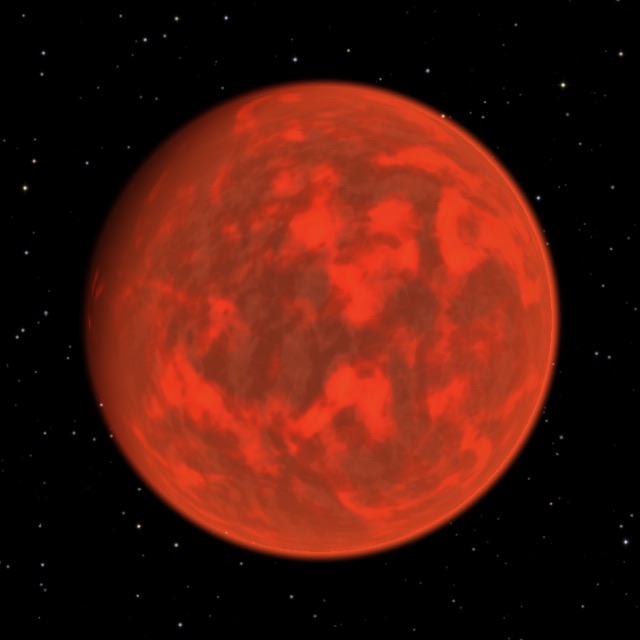
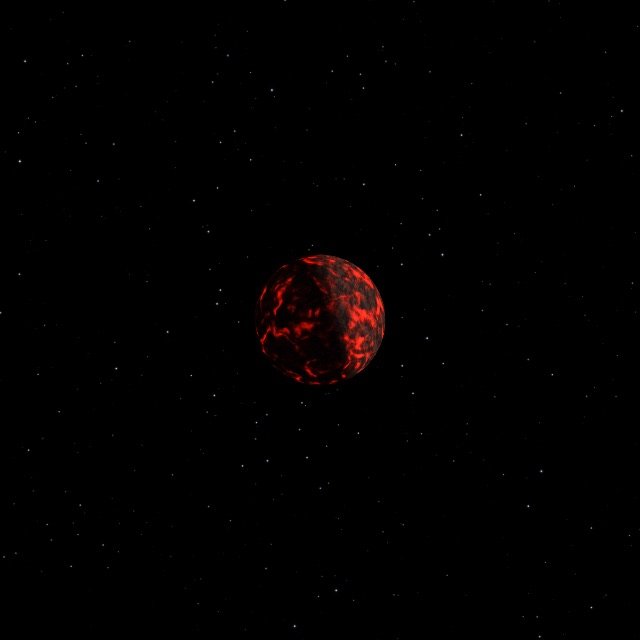
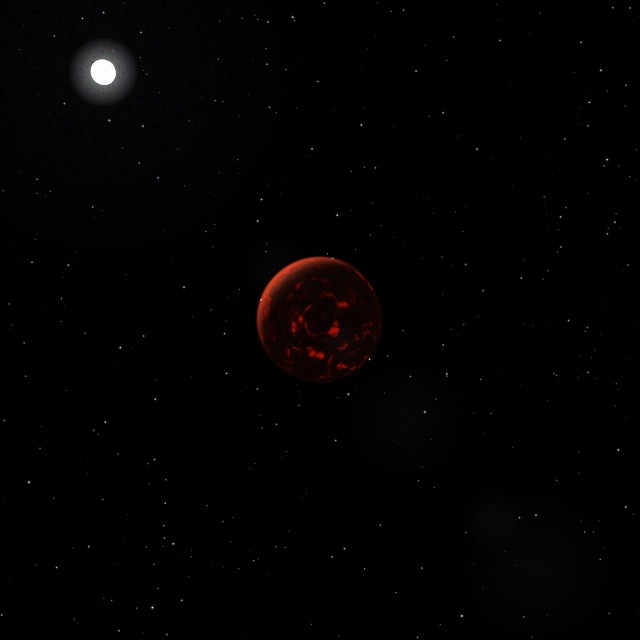
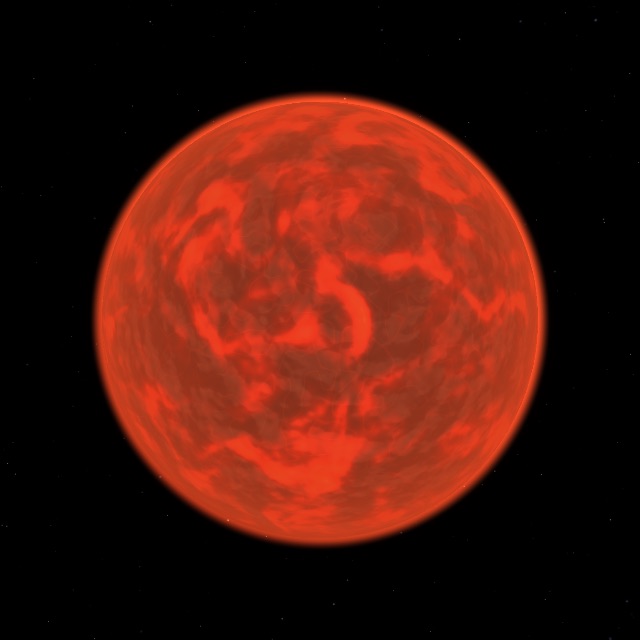
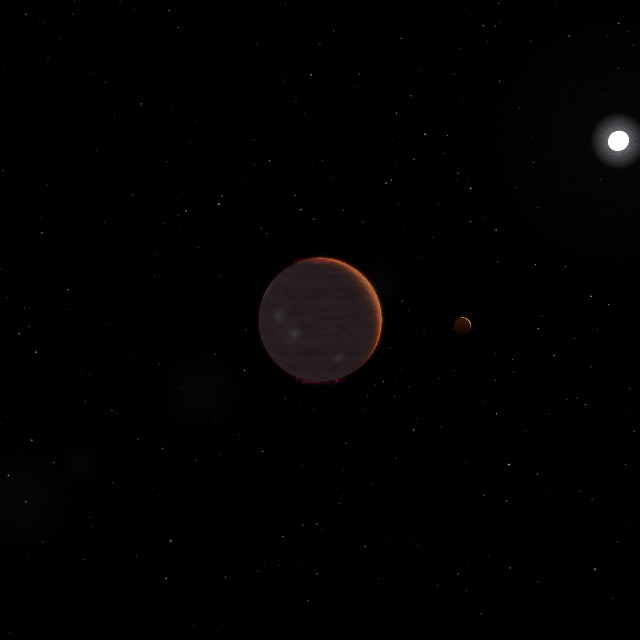
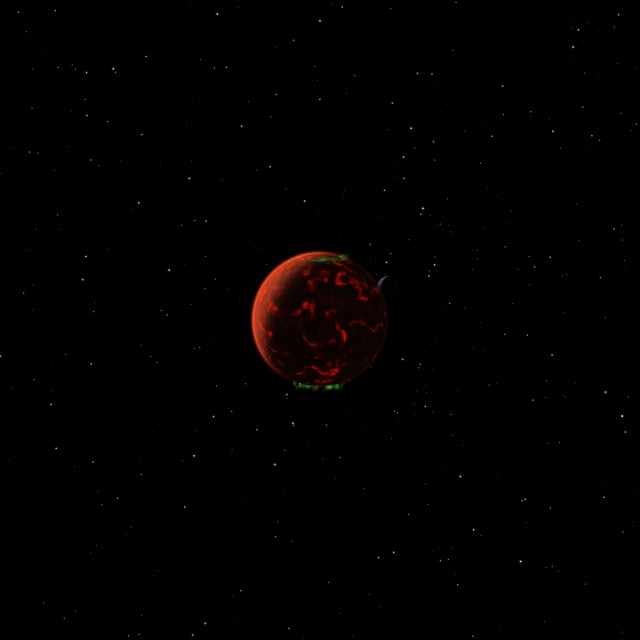
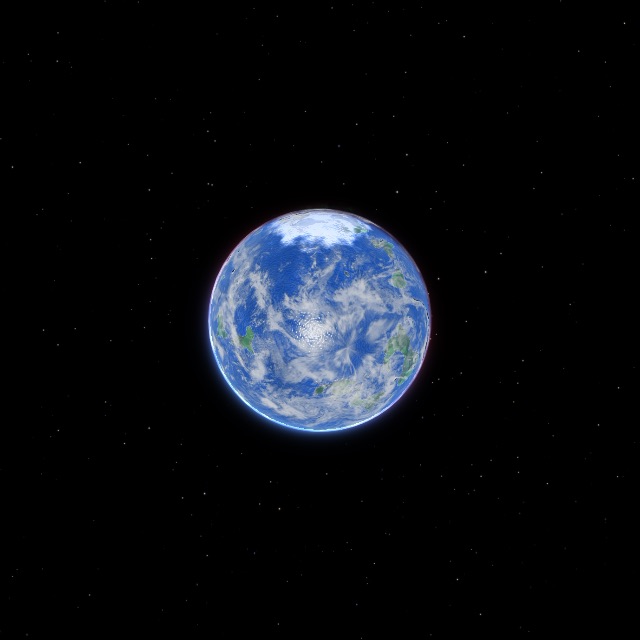
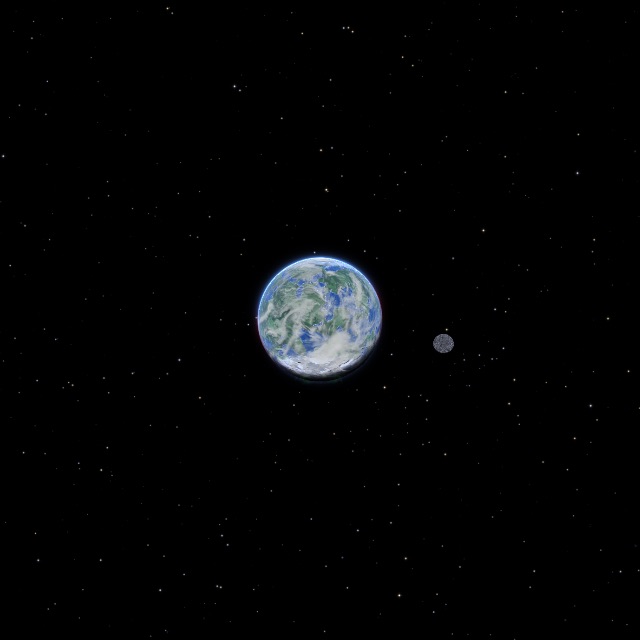
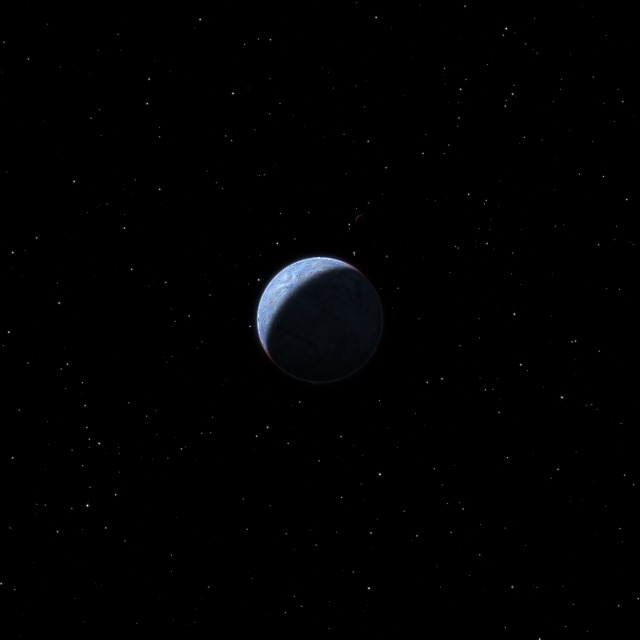 Xiaomi p4.69 AUGas GiantYou are here
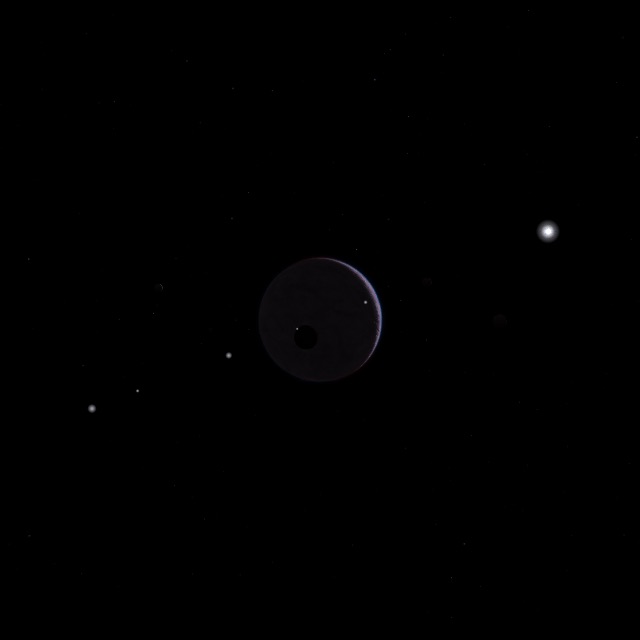
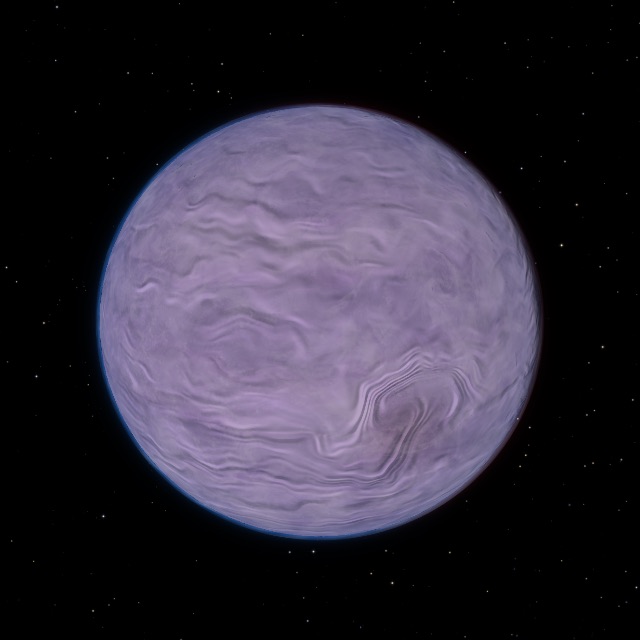
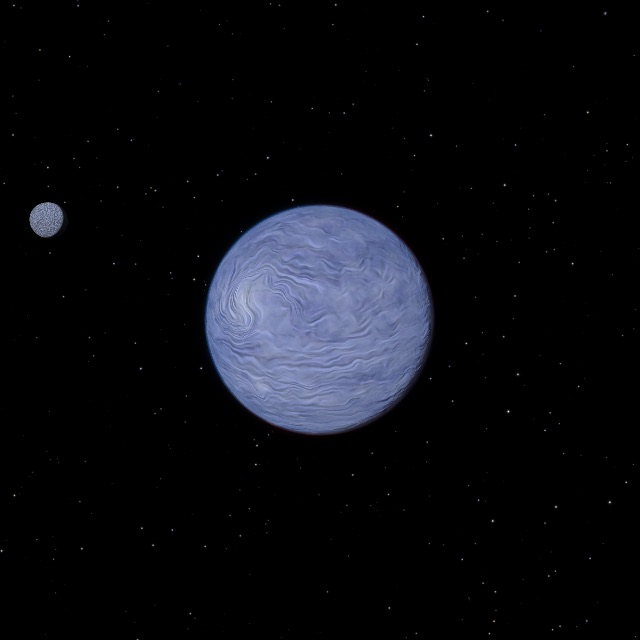
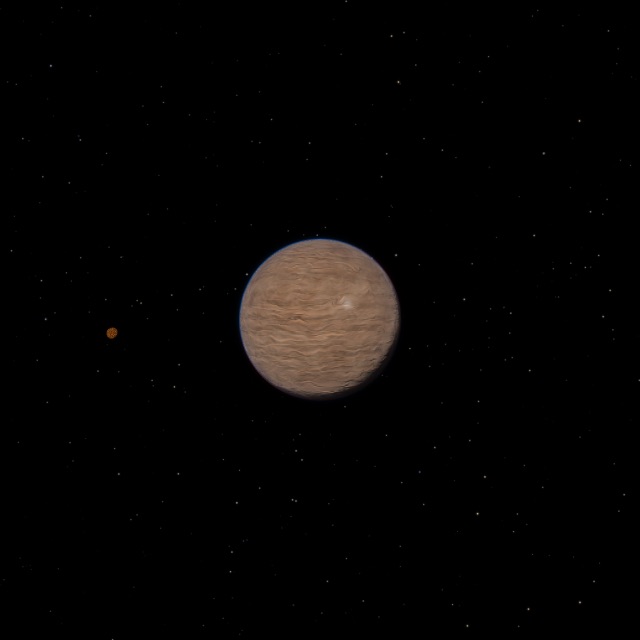
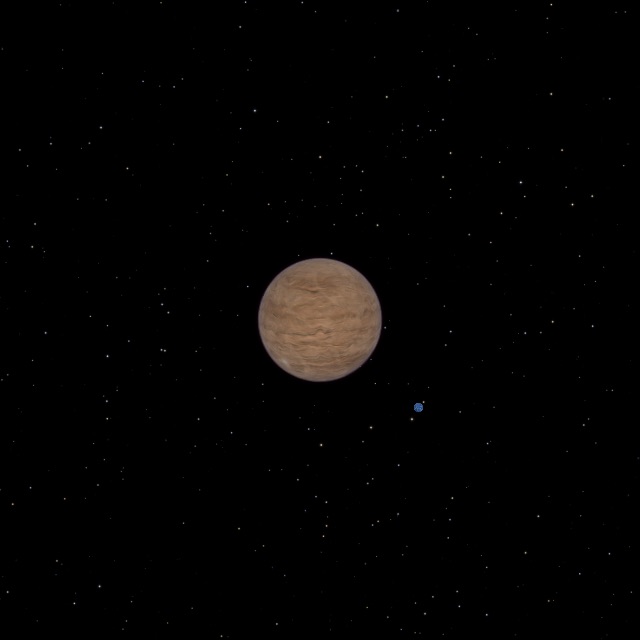
Habitable zone
Star and planets drawn to scale (a typical star of its class), with only the star's edge in view. Orbits spaced as in the star system view.
Xiaomi p's moons
3 moons
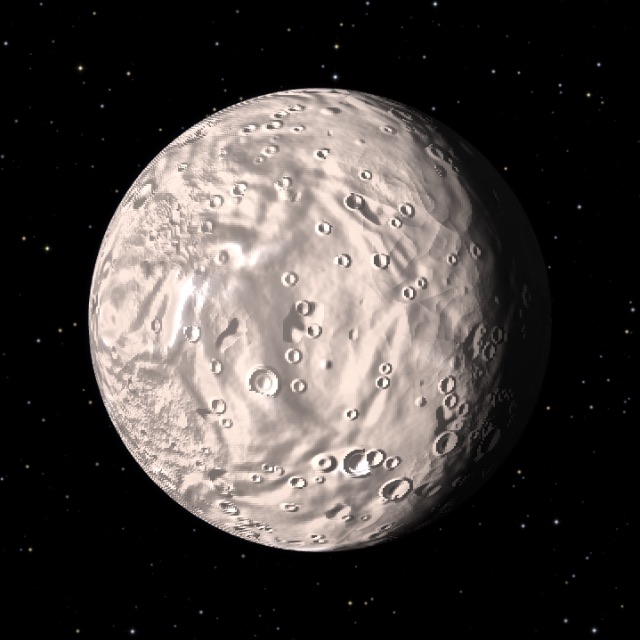
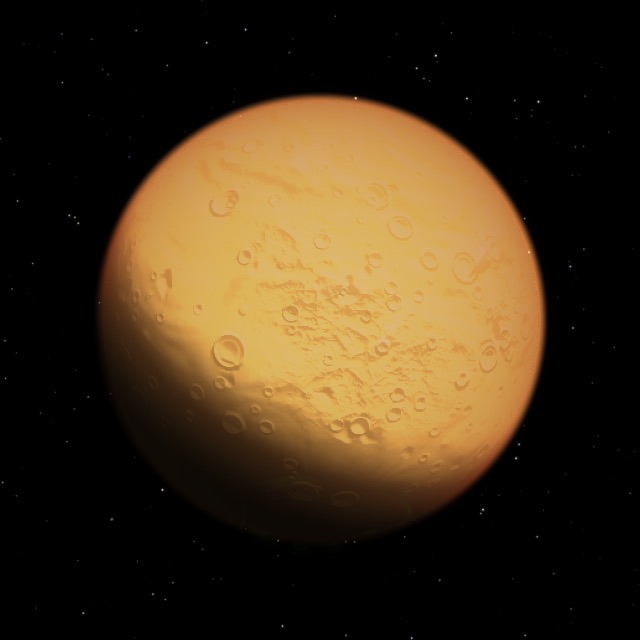
WuHazy · 292,400 km
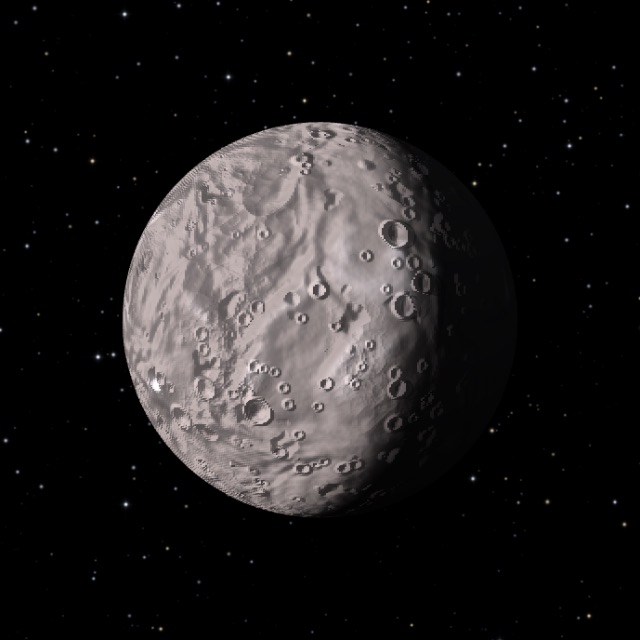
FranciasoIron · 773,600 km
SaidaIron · 903,100 km
Planet, moons and orbits drawn to one scale; the smallest moons are enlarged so they can be seen.
Xiaomi p Has A Large, Orange Moon. The Other Two Are Far And Similar In Size.
Surface. No solid surface - thick gaseous envelope with possible rocky core deep within
Gas Giant
✦ Xiaomi
Your planet has 70.4% hydrogen and helium, combined with a mass of 14.0x Earth, which exceeds the gas giant threshold.Magnetic FieldExtreme Activity
Gas giants form when massive cores capture enormous atmospheres of light gases. They typically form beyond the 'frost line' where volatiles can condense.
Classification Criteria:
✓ Hydrogen + Helium: 70.4% (>60% required)✓ Mass: 14.0x Earth (>10x required)
Habitability ScoreExtremely Harsh
Contributing Factors
water15
No solid surface — any water is locked in a supercritical mantle and hot ice, not oceans
geology50
Extreme volcanic activity may be hazardous (tidal flexing sustains geologic activity)
rotation10
Near tidally locked - one hemisphere perpetually scorched, other frozen, narrow habitable twilight zone only
Organic Chemistry80
Core organic elements (CHNO) present
atmosphere12
Hydrogen and helium dominated with trace methane and ammonia
Hydrogen-rich atmosphere typical of gas giants (partially stripped by slow rotation)temperature45
Extreme temperature - very difficult for life (large moon stabilizes the axial tilt - steady seasons)
magnetic Field100
Magnetic field provides radiation protection (a large close moon may help stir the core dynamo (speculative))
Physical Properties
Mass
14.00x Earth (8.36e+25 kg)Radius
2.41x Earth (15,355 km)Surface Gravity
2.41x Earth (23.6 m/s²)Surface Temperature
242 K (-31 °C / -25 °F)Rotation Period
17.0 hours/day (faster than Earth)Elemental Composition
Closest Real Exoplanet
Kepler-1635 b88% similar
Orbiting Kepler-1635| Yours | Kepler-1635 b | |
|---|---|---|
| Mass | 14.0 × Earth | 12.9 × Earth |
| Radius | 3.90 × Earth | 3.64 × Earth |
| Density (composition) | 1.30 g/cm³ | 1.47 g/cm³ |
| Temperature | 241.7 K | 200.0 K |
| Starlight received | 0.27 × Earth | 0.40 × Earth |
| Star temperature | 6,750 K | 5,347 K |
Moons
WurecedingHazy atmosphere
Wu Is A Orange Moon With Large Nitrogen.
Outside the synchronous orbit: slowly receding, like Luna (~cm per year).
Tidal braking locked the planet to its moon: one face forever moonward.
Holds its nitrogen and methane as an atmosphere over a frozen surface.
FranciasostableIron-rich rock
Franciaso Is A Far Moon.
Small and distant: a quiet, stable companion.
SaidastableIron-rich rock
Saida Is Like Franciaso.
Small and distant: a quiet, stable companion.
+5 temperature: large moon stabilizes the axial tilt - steady seasons+10 geology: tidal flexing sustains geologic activity+5 magneticField: a large close moon may help stir the core dynamo (speculative)