Entering orbit…
AI assistant
Habitability
16/ 100
View planet
View star system
View surface
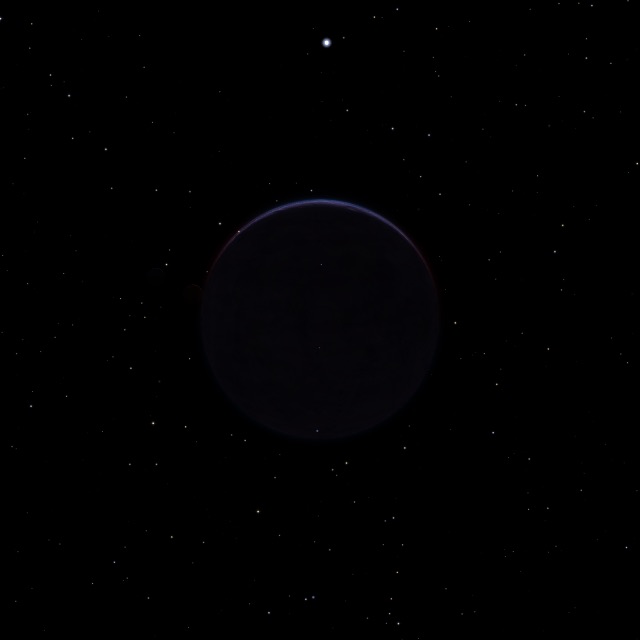
Redmi s
- Mass
- 14.50 × Earth
- Radius
- 2.44 × Earth
- Gravity
- 2.44 g
- Surface
- 154 K
- Year
- 121 years
- Day
- 17.0 hrs
- Mass
- 14.50 × Earth
- Radius
- 2.44 × Earth
- Gravity
- 2.44 g
- Surface
- 154 K
- Year
- 121 years
- Day
- 17.0 hrs
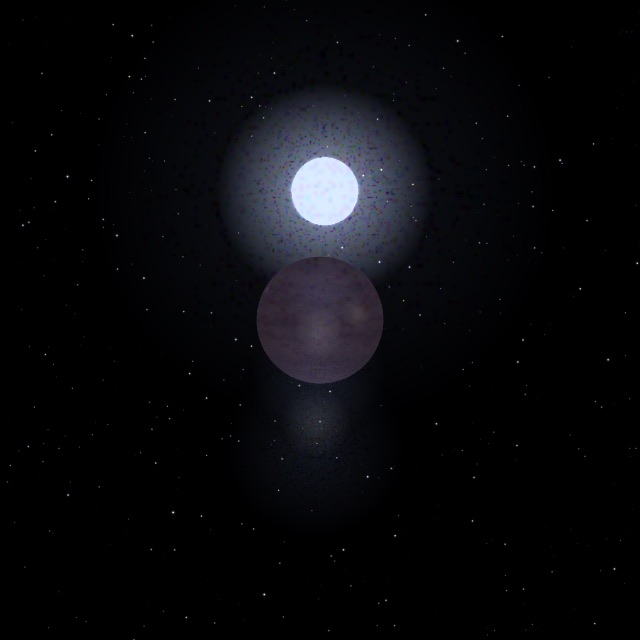
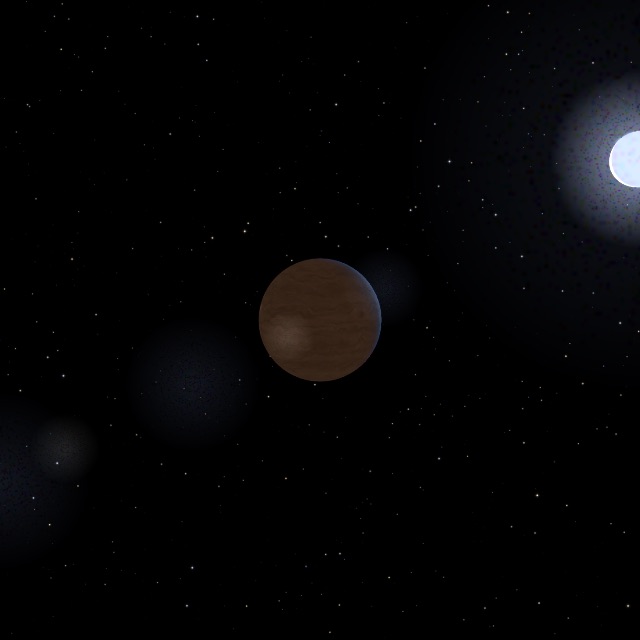
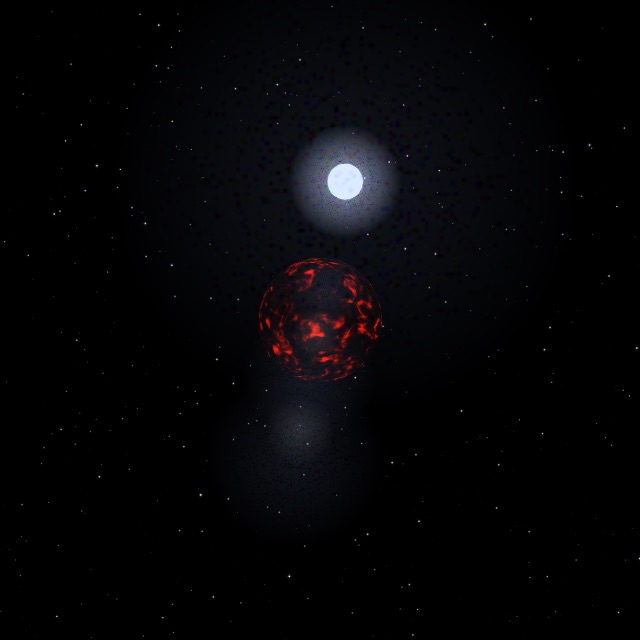
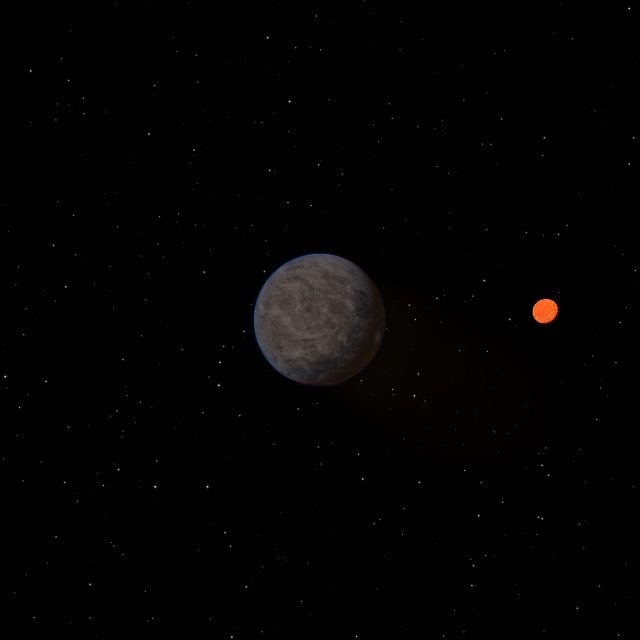
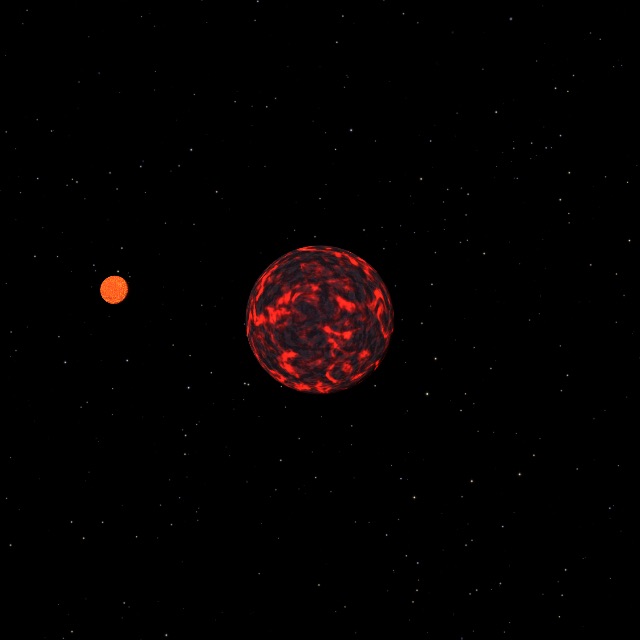
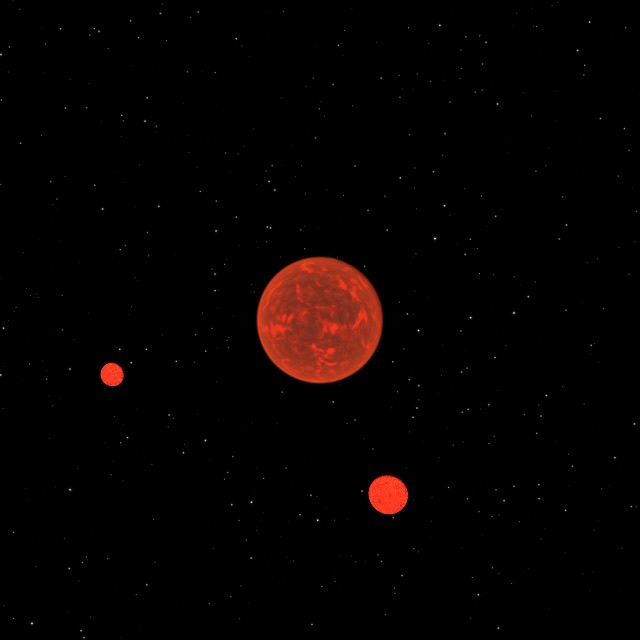
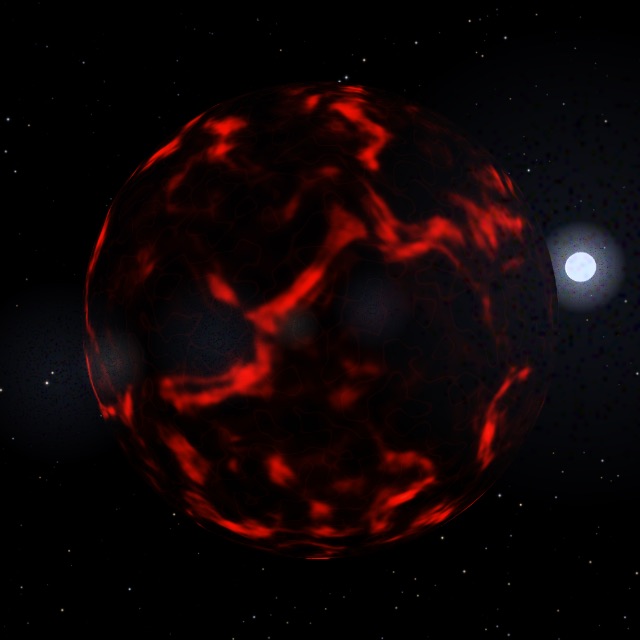
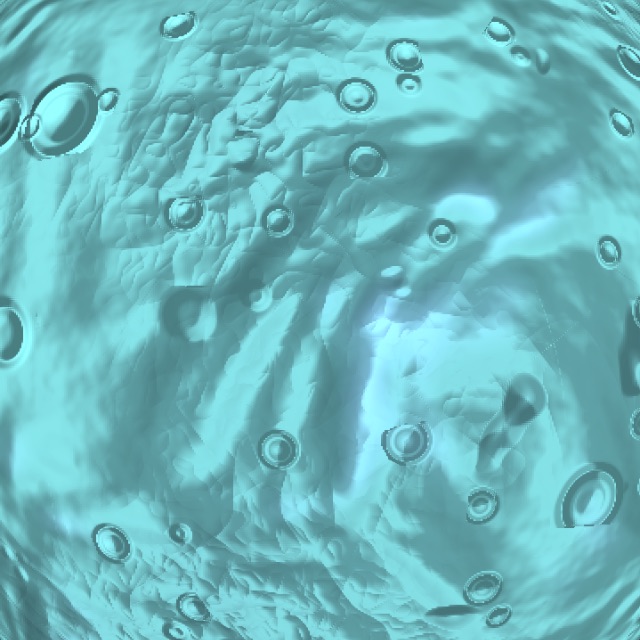
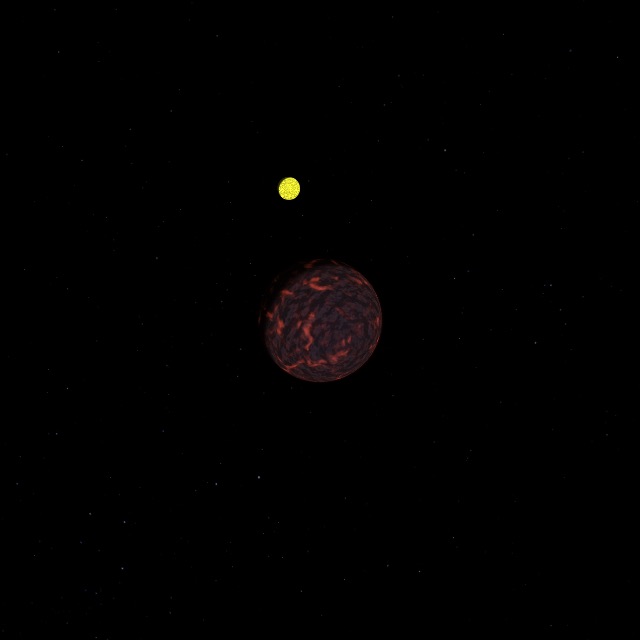
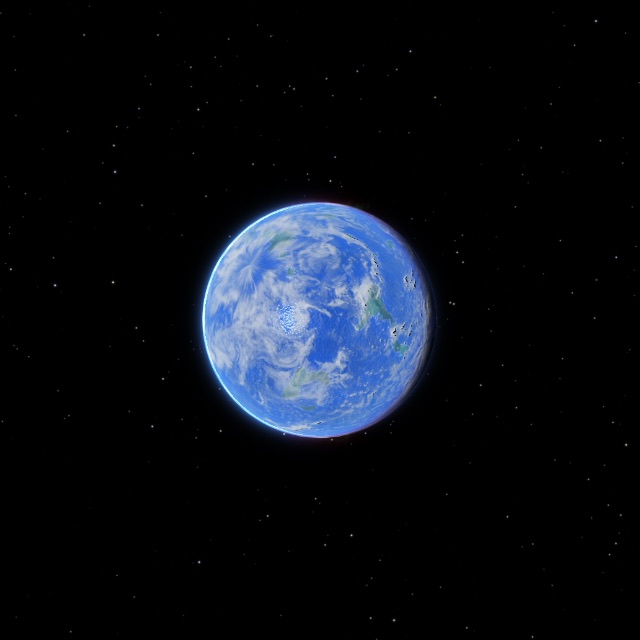
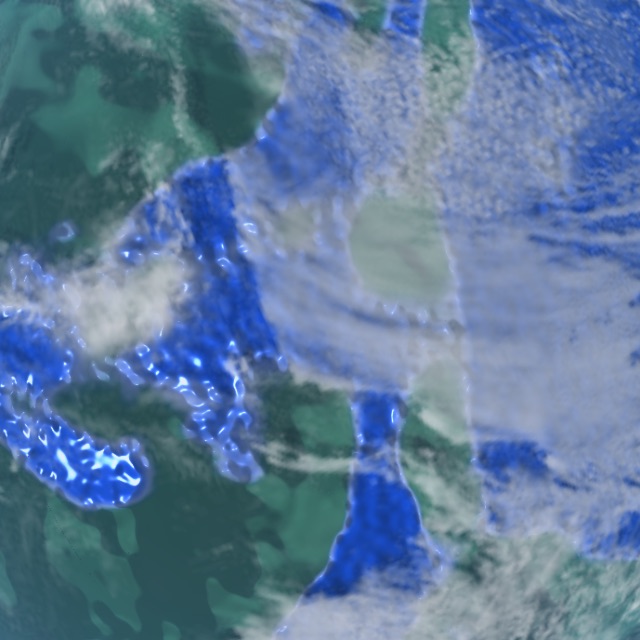
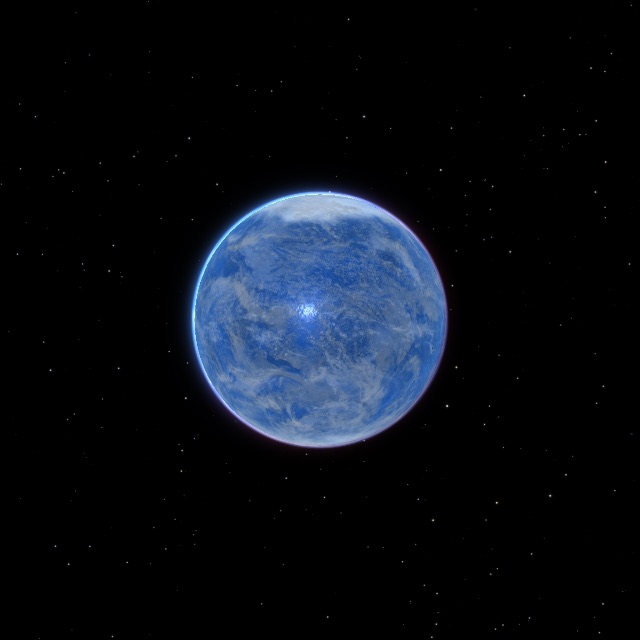
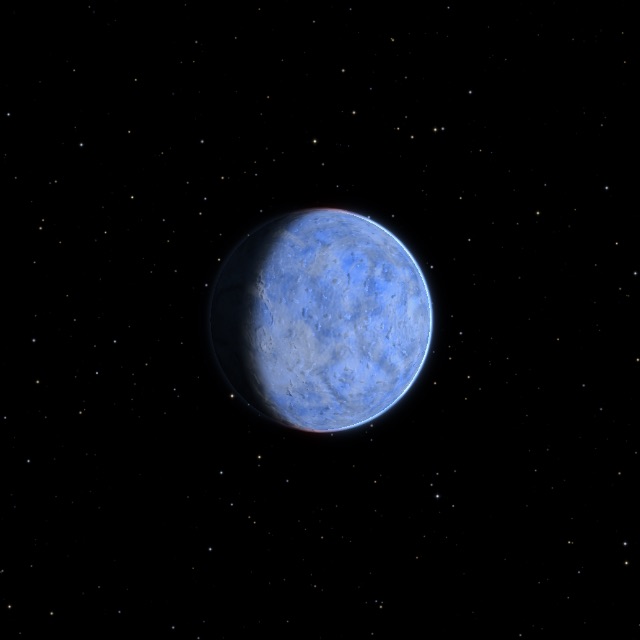
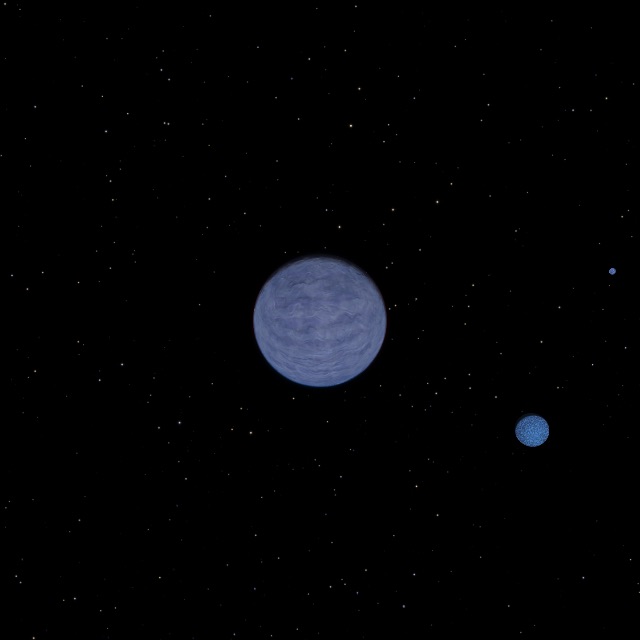 Redmi s30.80 AUIce GiantYou are here
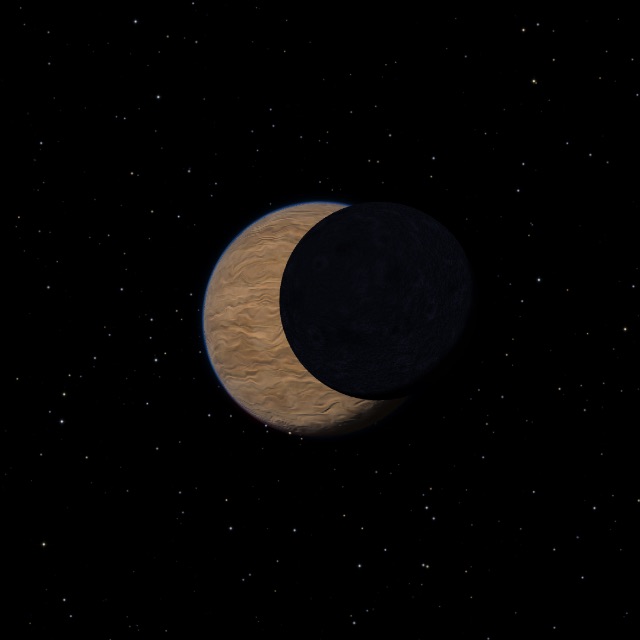
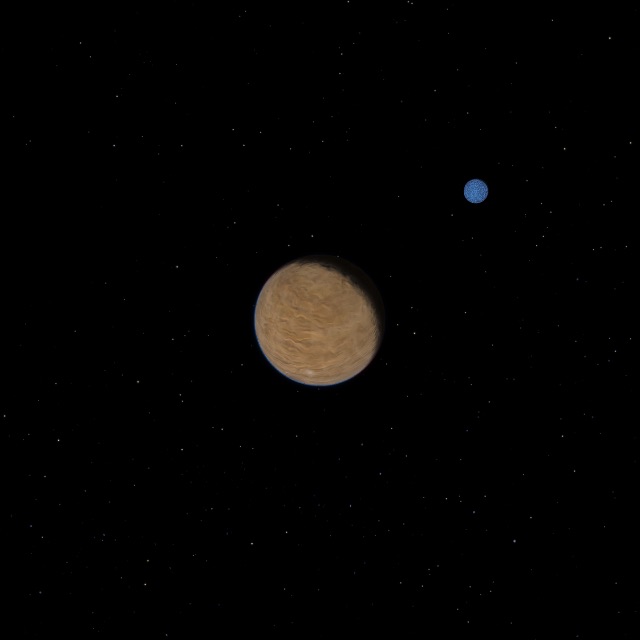
Habitable zone
Star and planets drawn to scale (a typical star of its class), with only the star's edge in view. Orbits spaced as in the star system view.
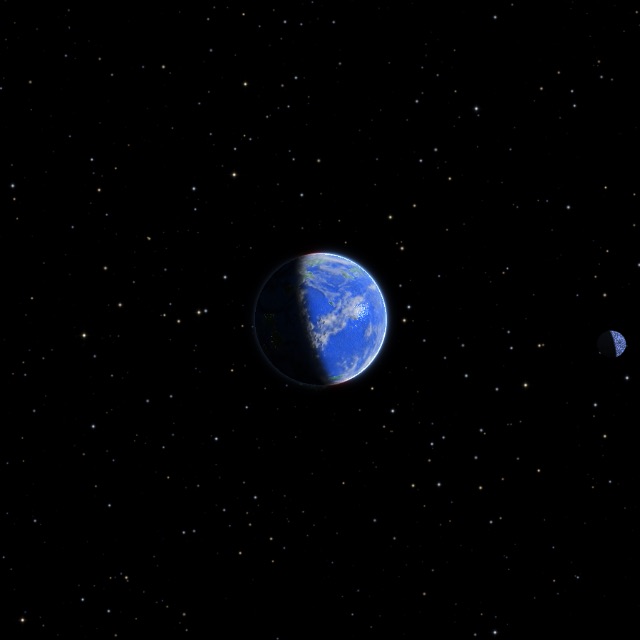
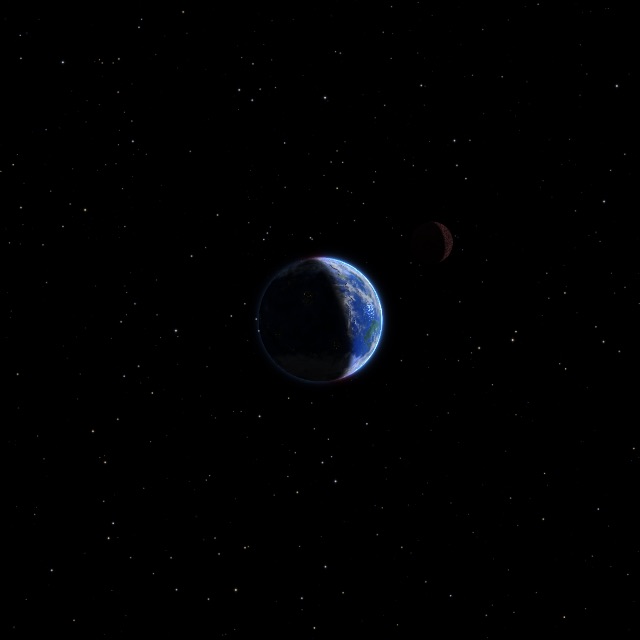
Redmi s's moons
2 moons
IrqIron · 309,200 km
IrnIron · 470,700 km
Planet, moons and orbits drawn to one scale; the smallest moons are enlarged so they can be seen.
Redmi s Is A Uranus Like Planet.
Surface. Icy mantle surrounding rocky core, with hydrogen-helium atmosphere
Ice Giant
✦ Redmi
Your planet has moderate mass (14.5x Earth) with significant water, carbon, and nitrogen content, characteristic of ice giants.Magnetic FieldModerate Activity
Ice giants like Uranus and Neptune have icy interiors with thick atmospheres of hydrogen and helium, but not enough to be classified as gas giants.
Classification Criteria:
✓ Mass: 14.5x Earth (5-20x range)✓ Water/Carbon/Nitrogen rich composition
Habitability ScoreUninhabitable
Contributing Factors
water15
No solid surface — any water is locked in a supercritical mantle and hot ice, not oceans
geology90
Active geology recycles nutrients and drives carbon cycle
rotation10
Near tidally locked - one hemisphere perpetually scorched, other frozen, narrow habitable twilight zone only
Organic Chemistry84
Core organic elements (CHNO) present (tidal pools cycle wet and dry - a boost for prebiotic chemistry)
atmosphere12
Hydrogen and helium with water, methane, and ammonia ices
Hydrogen-rich atmosphere typical of gas giants (partially stripped by slow rotation)temperature20
Very cold - water frozen, challenging for life
magnetic Field100
Magnetic field provides radiation protection
Physical Properties
Mass
14.50x Earth (8.66e+25 kg)Radius
2.44x Earth (15,536 km)Surface Gravity
2.44x Earth (23.9 m/s²)Surface Temperature
154 K (-119 °C / -183 °F)Rotation Period
17.0 hours/day (faster than Earth)Elemental Composition
Closest Real Exoplanet
GJ 229 b77% similar
Orbiting GJ 229| Yours | GJ 229 b | |
|---|---|---|
| Mass | 14.5 × Earth | 14.9 × Earth |
| Radius | 3.68 × Earth | 3.97 × Earth |
| Density (composition) | 1.60 g/cm³ | 1.31 g/cm³ |
| Temperature | 153.8 K | 112.0 K |
| Starlight received | 0.04 × Earth | 0.02 × Earth |
| Star temperature | 8,750 K | 3,564 K |
Moons
IrqrecedingIron-rich rock
No Data Available.
Outside the synchronous orbit: slowly receding, like Luna (~cm per year).
IrnrecedingIron-rich rock
No Data Available.
Outside the synchronous orbit: slowly receding, like Luna (~cm per year).
+4 chemistry: tidal pools cycle wet and dry - a boost for prebiotic chemistry