Entering orbit…
AI assistant
Habitability
7/ 100
View planet
View star system
View surface
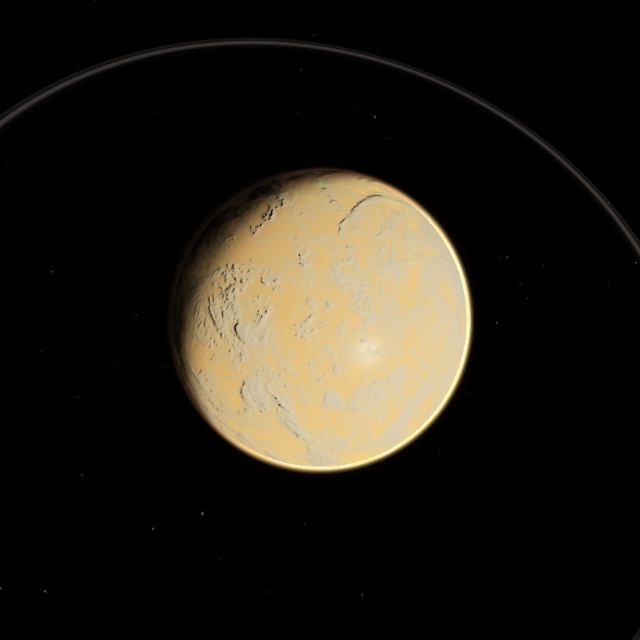
Hydran
- Mass
- 2.10 × Earth
- Radius
- 1.28 × Earth
- Gravity
- 1.28 g
- Surface
- 582 K
- Year
- 214 days
- Day
- 12.0 hrs
- Mass
- 2.10 × Earth
- Radius
- 1.28 × Earth
- Gravity
- 1.28 g
- Surface
- 582 K
- Year
- 214 days
- Day
- 12.0 hrs
Hydran0.70 AUVenus LikeYou are here
Habitable zone
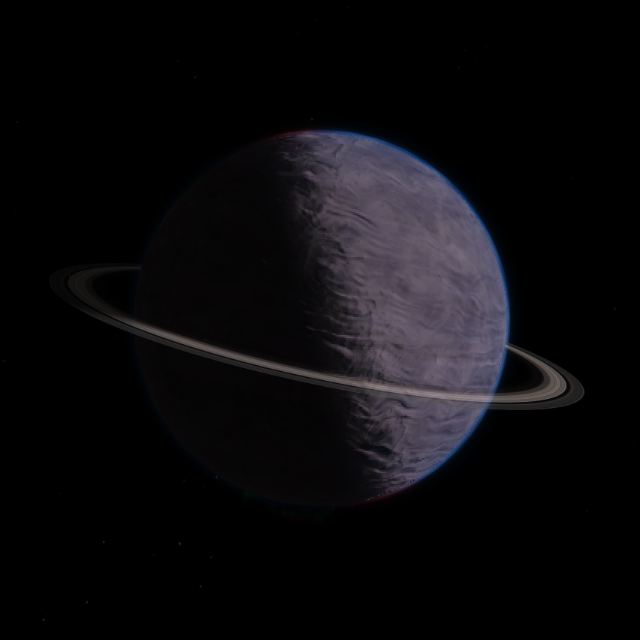
Star and planets drawn to scale (a typical star of its class), with only the star's edge in view. Orbits spaced as in the star system view.
Hydran's moons
1 moon
Moon 3Rock · 35,900 km
Planet, moons and orbits drawn to one scale; the smallest moons are enlarged so they can be seen.
Very Uninhabitable
Surface. Rocky surface with volcanic plains, extreme pressure and heat
Venus Like
✦ Aidrus
Your planet has a thick CO₂ atmosphere creating a runaway greenhouse effect, with surface temperatures of 582K.Magnetic FieldHigh Activity
Venus-like planets experience runaway greenhouse warming where CO₂ traps heat, evaporating oceans and creating hostile conditions despite being in the habitable zone.
Classification Criteria:
✓ Temperature: 582K (500-800K range)✓ CO₂-rich atmosphere creating greenhouse effect
Habitability ScoreUninhabitable
Contributing Factors
water4
Very dry - minimal water - boiling away, little would be retained
geology90
Active geology recycles nutrients and drives carbon cycle
rotation10
Near tidally locked - one hemisphere perpetually scorched, other frozen, narrow habitable twilight zone only
Organic Chemistry84
Core organic elements (CHNO) present (tidal pools cycle wet and dry - a boost for prebiotic chemistry)
atmosphere14
Dense CO₂ atmosphere with sulfuric acid clouds, extreme greenhouse effect
Dense CO₂ atmosphere with extreme greenhouse effect (partially stripped by slow rotation)temperature15
Extremely hot - hostile to known life forms
magnetic Field100
Magnetic field provides radiation protection
Physical Properties
Mass
2.10x Earth (1.25e+25 kg)Radius
1.28x Earth (8,159 km)Surface Gravity
1.28x Earth (12.6 m/s²)Surface Temperature
582 K (309 °C / 588 °F)Rotation Period
12.0 hours/day (faster than Earth)Elemental Composition
Closest Real Exoplanet
Kepler-395 c84% similar
Orbiting Kepler-395| Yours | Kepler-395 c | |
|---|---|---|
| Mass | 2.10 × Earth | 2.30 × Earth |
| Radius | 1.25 × Earth | 1.32 × Earth |
| Density (composition) | 5.99 g/cm³ | 5.51 g/cm³ |
| Temperature | 582.1 K | 341.0 K |
| Starlight received | 2.04 × Earth | 2.11 × Earth |
| Star temperature | 5,600 K | 4,262 K |
Moons
Moon 1merged
Merged with an adjacent moon: too close for both to hold a stable orbit.
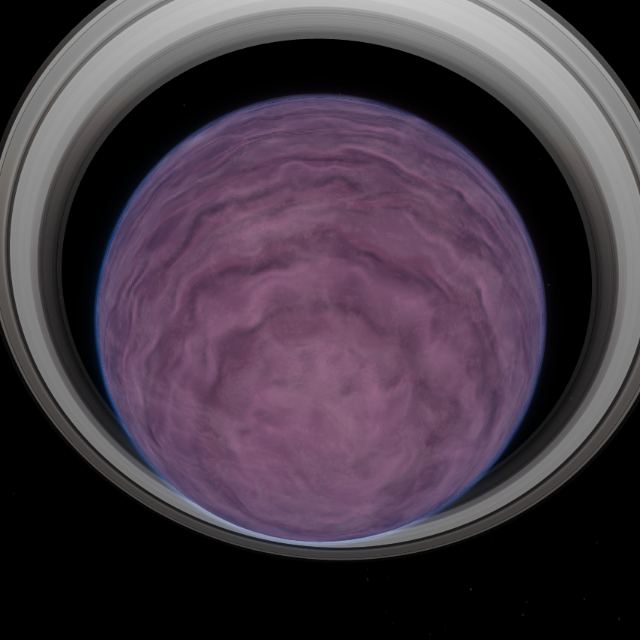
Moon 2rings
Inside the synchronous orbit: it spiraled inward and was torn apart at the Roche limit (Phobos's fate).
Moon 3stable
Small and distant: a quiet, stable companion.
Tidal braking locked the planet to its moon: one face forever moonward.
+4 chemistry: tidal pools cycle wet and dry - a boost for prebiotic chemistry