Entering orbit…
AI assistant
Habitability
11/ 100
View planet
View star system
View surface
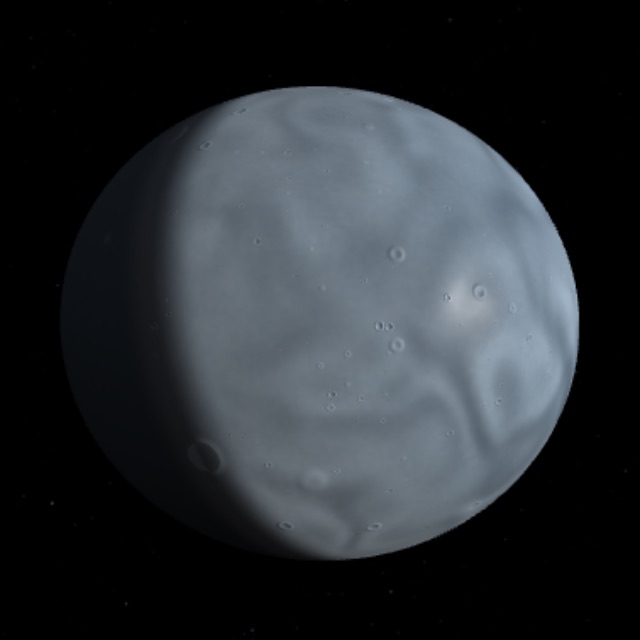
Ceres
Dwarf Planet
by Sfgduds- Mass
- 0.00016 × Earth
- Radius
- 0.076 × Earth
- Gravity
- 0.028 g
- Surface
- 167 K
- Year
- 4.6 years
- Day
- 9.1 hrs
- Mass
- 0.00016 × Earth
- Radius
- 0.076 × Earth
- Gravity
- 0.028 g
- Surface
- 167 K
- Year
- 4.6 years
- Day
- 9.1 hrs
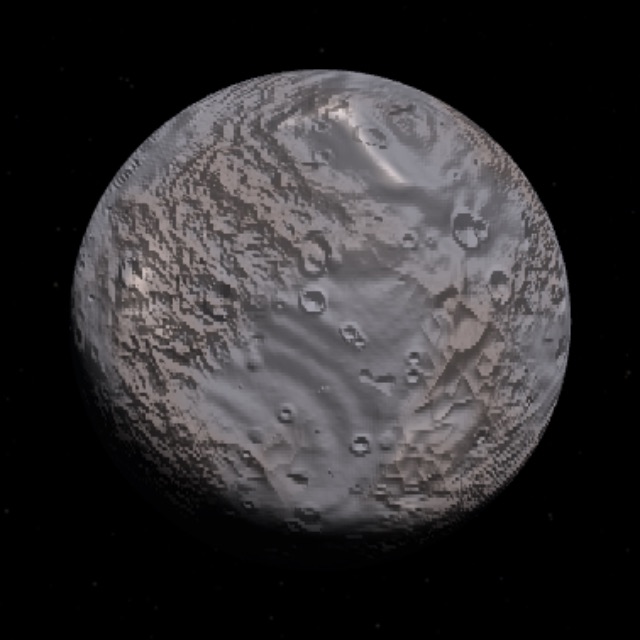
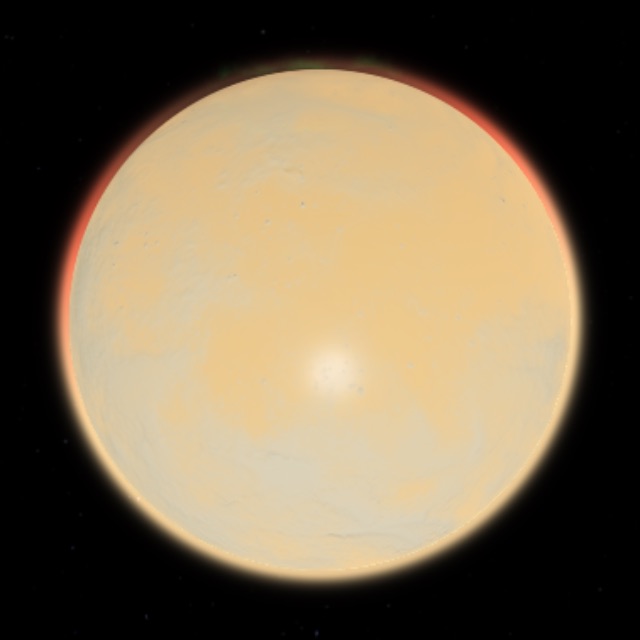
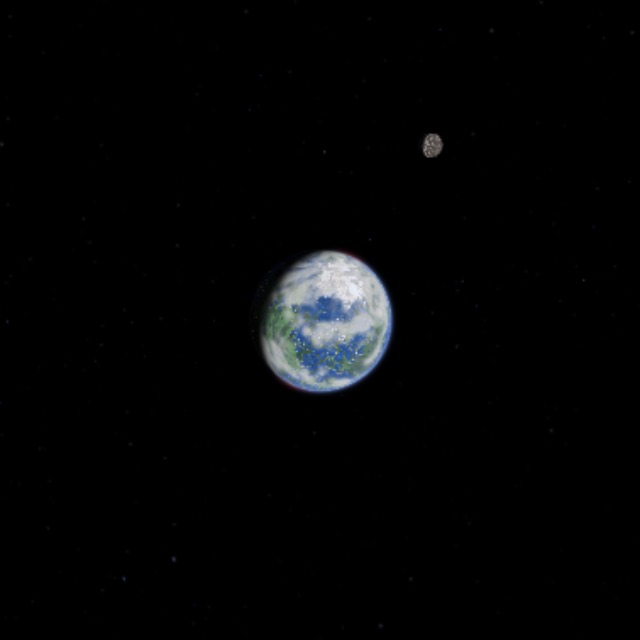
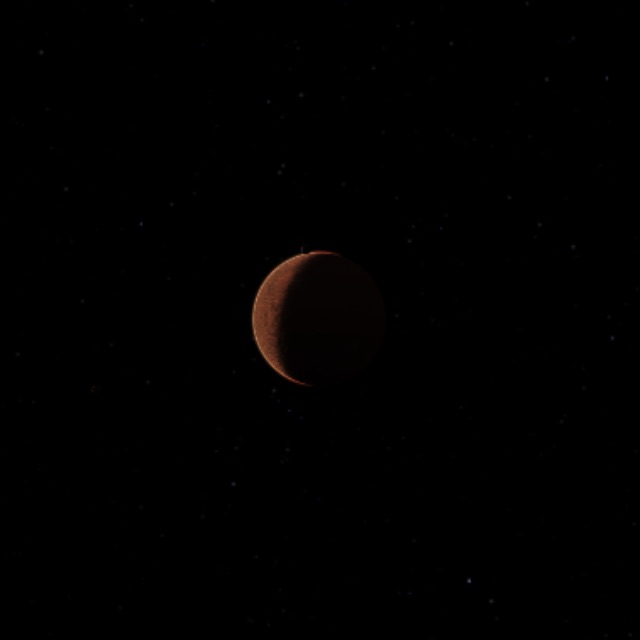 Ceres2.77 AUDwarf PlanetYou are here
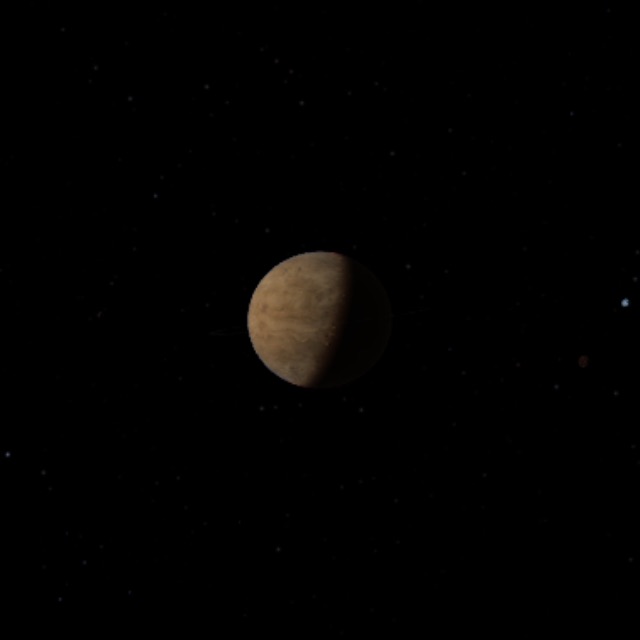
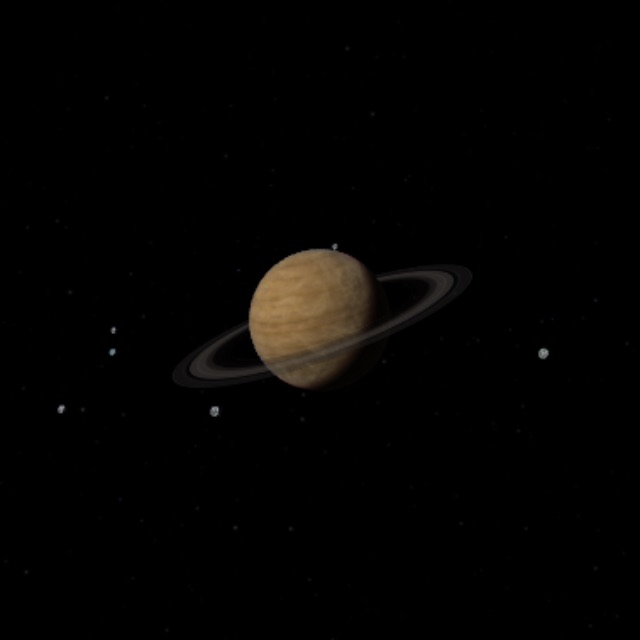
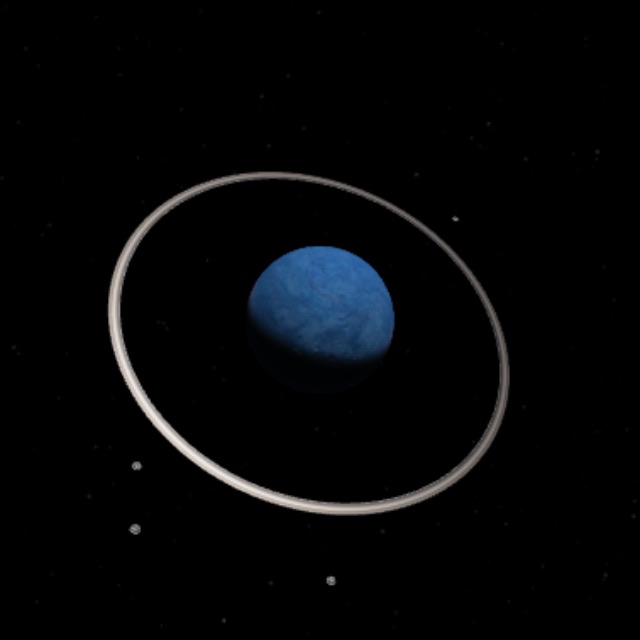
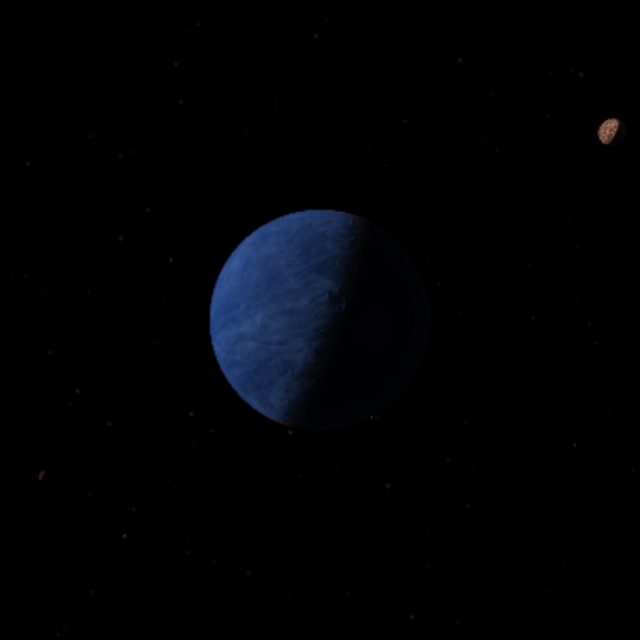
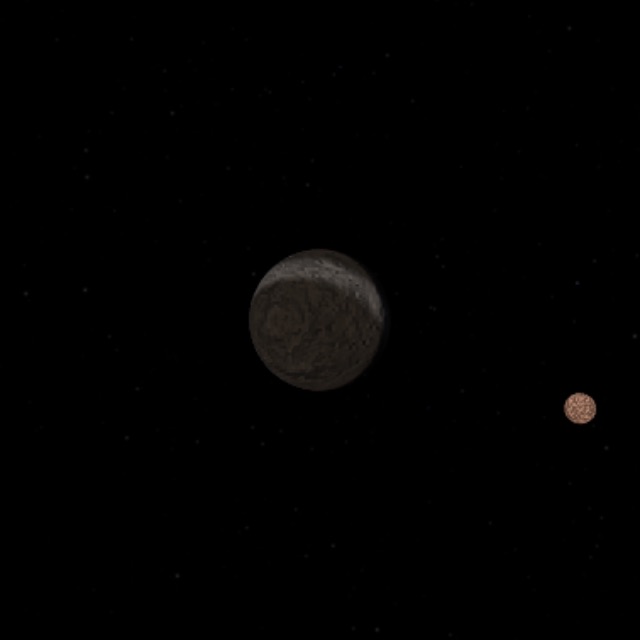
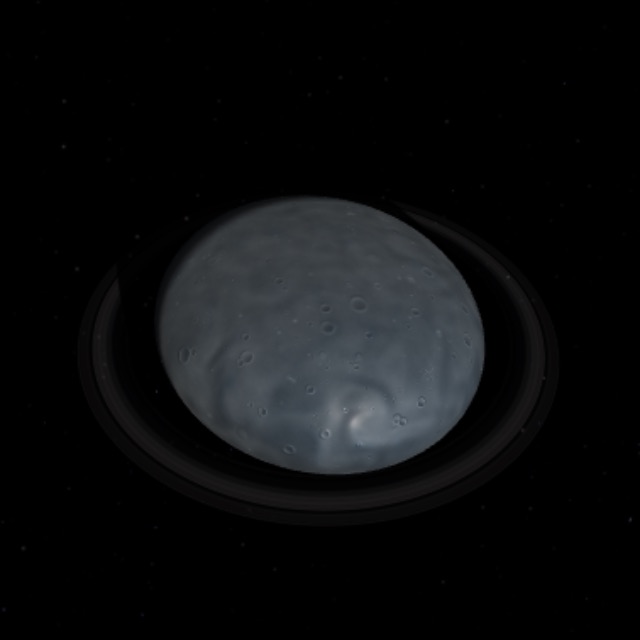
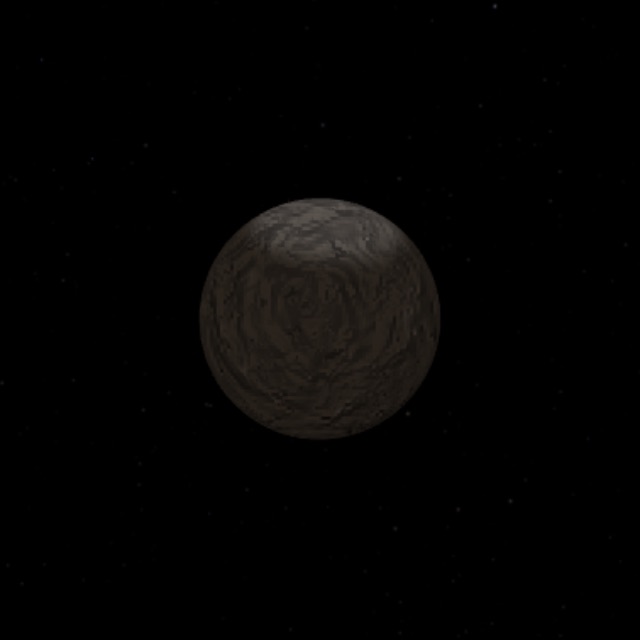
Habitable zone
Star and planets drawn to scale (a typical star of its class), with only the star's edge in view. Orbits spaced as in the star system view.
Update: Dwarf planets like Pluto, Eris, Haumea and Ceres are rock and ice, barely squeezed by their own weak gravity, so they are far less dense than Earth. Only the coldest can keep any air, a thin nitrogen and methane haze; a warmer one loses it to space. Spun fast enough
Surface. A dwarf planet: frozen surface covered in water ice, possible subsurface ocean if tidal heating present
Dwarf Planet
✦ Solar system
Your planet weighs 0.00016x Earth, under a hundredth of Earth's mass: enough gravity to pull itself round, far too little to be a planet. Its surface is that of an ice world.None Activity
Dwarf planets like Pluto, Eris, Haumea and Ceres are rock and ice, barely squeezed by their own weak gravity, so they are far less dense than Earth. Only the coldest can keep any air, a thin nitrogen and methane haze; a warmer one loses it to space. Spun fast enough, one stretches into an egg, as Haumea has.
Classification Criteria:
✓ Mass: 0.00016x Earth (under 0.01x)✓ Temperature: 167KSurface: ice world
Habitability ScoreUninhabitable
Contributing Factors
water22
Abundant water - frozen solid, no liquid phase at this temperature
geology30
Geologically dead - no nutrient recycling
rotation35
Fast rotation - strong global wind patterns and weather systems, but manageable
Organic Chemistry80
Core organic elements (CHNO) present
atmosphere10
Minimal or none
No atmosphere - exposed to radiation and temperature extremestemperature17
Very cold - water frozen, challenging for life
magnetic Field30
No magnetic field - vulnerable to solar radiation
Physical Properties
Mass
0.00016x Earth (9.56e+20 kg)Radius
0.076x Earth (485 km)Surface Gravity
0.028x Earth (0.3 m/s²)Surface Temperature
167 K (-106 °C / -159 °F)Rotation Period
9.1 hours/day (faster than Earth)