Entering orbit…
AI assistant
Habitability
77/ 100
View planet
View star system
View surface
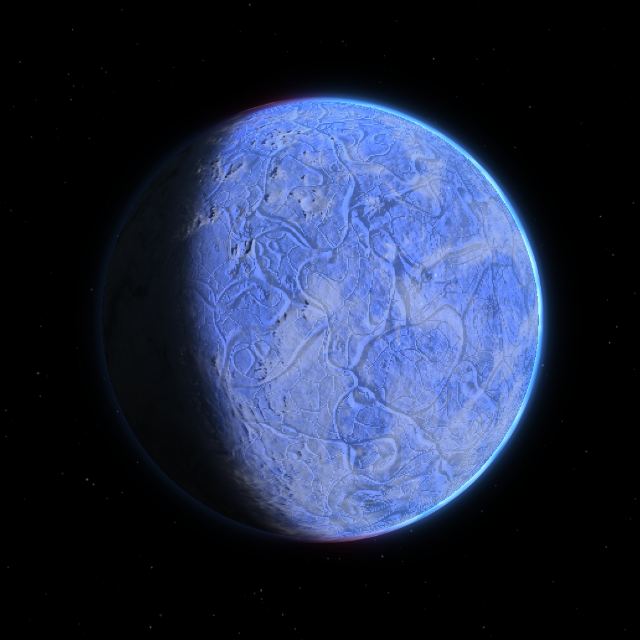
Lifia
- Mass
- 1.10 × Earth
- Radius
- 1.03 × Earth
- Gravity
- 1.03 g
- Surface
- 273 K
- Year
- 1,085 years
- Day
- 17.0 hrs
- Mass
- 1.10 × Earth
- Radius
- 1.03 × Earth
- Gravity
- 1.03 g
- Surface
- 273 K
- Year
- 1,085 years
- Day
- 17.0 hrs
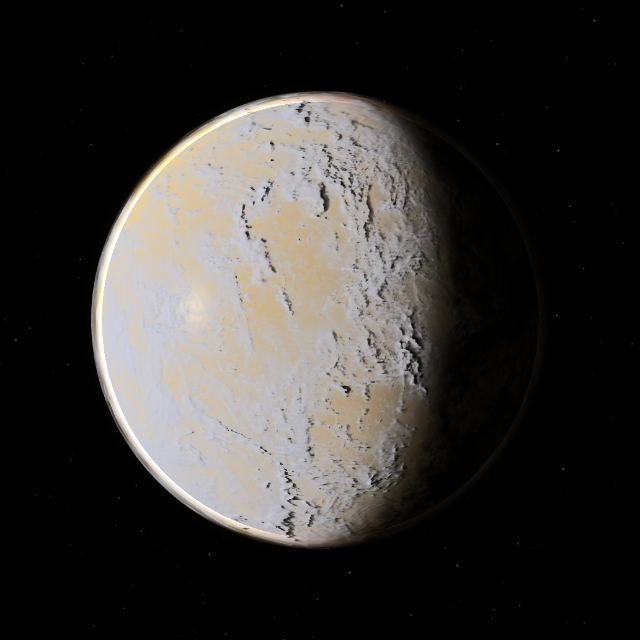
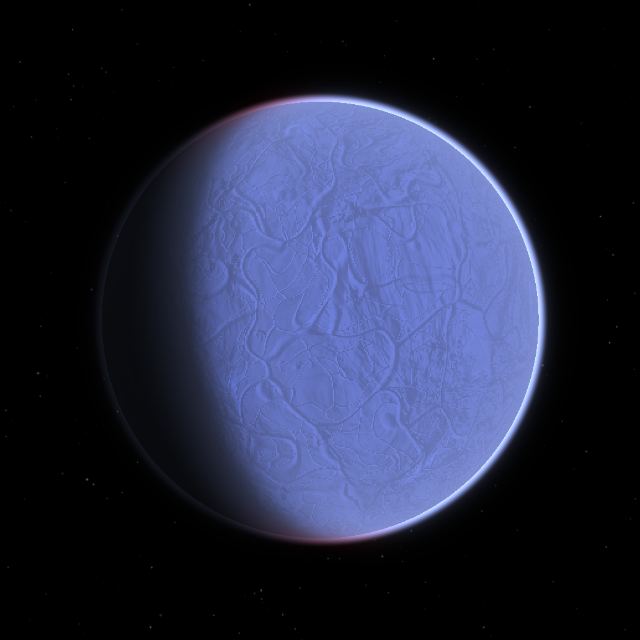
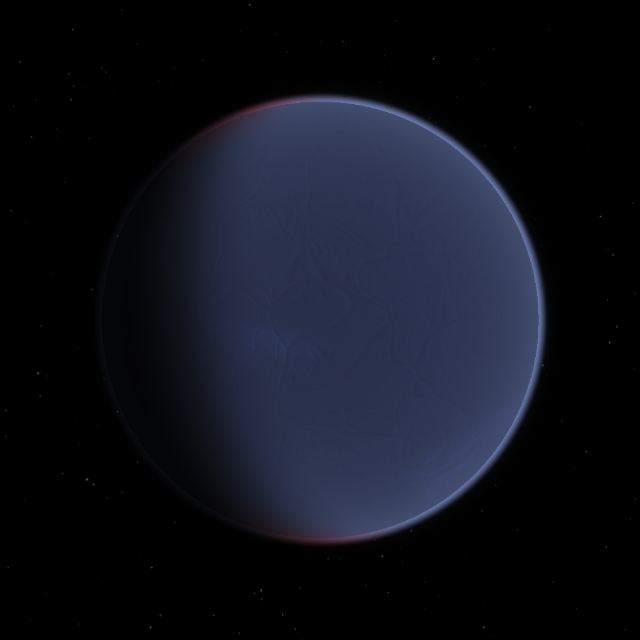
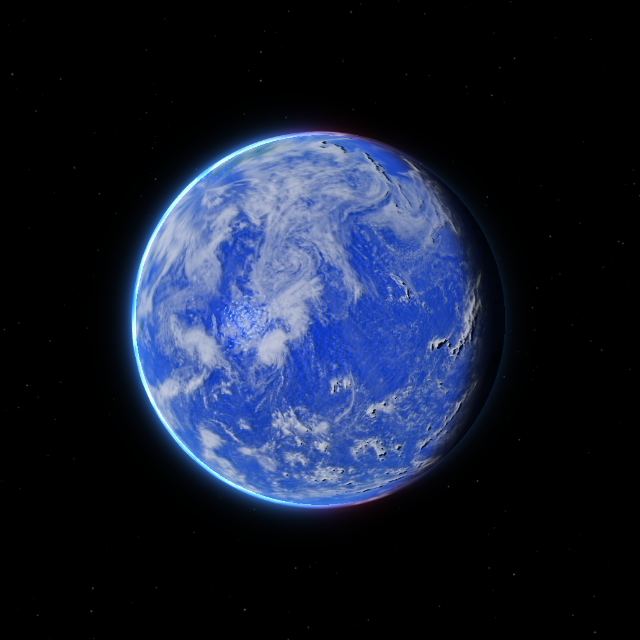
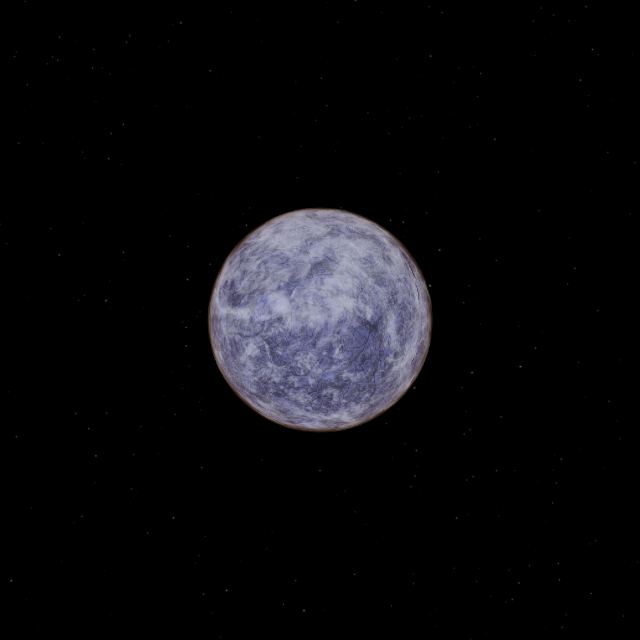 Lifia328.00 AUExotic TerrestrialYou are here
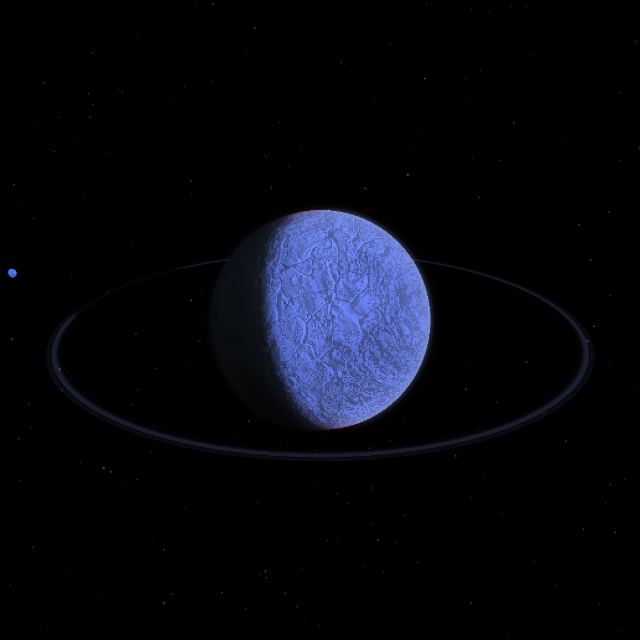
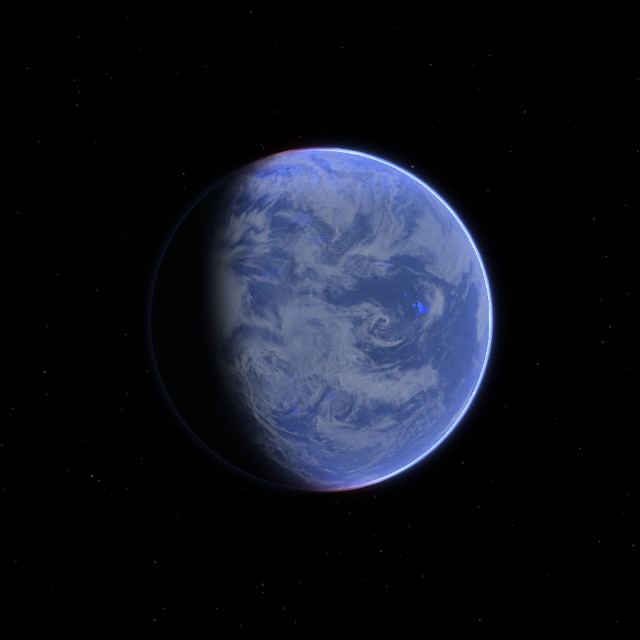
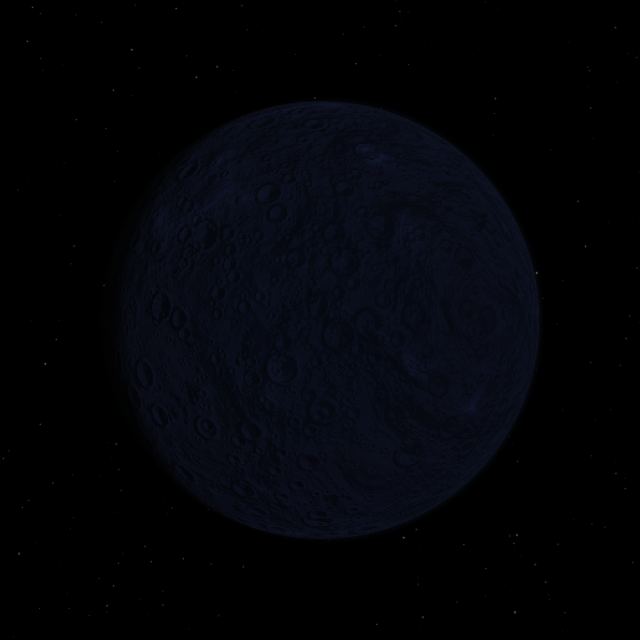
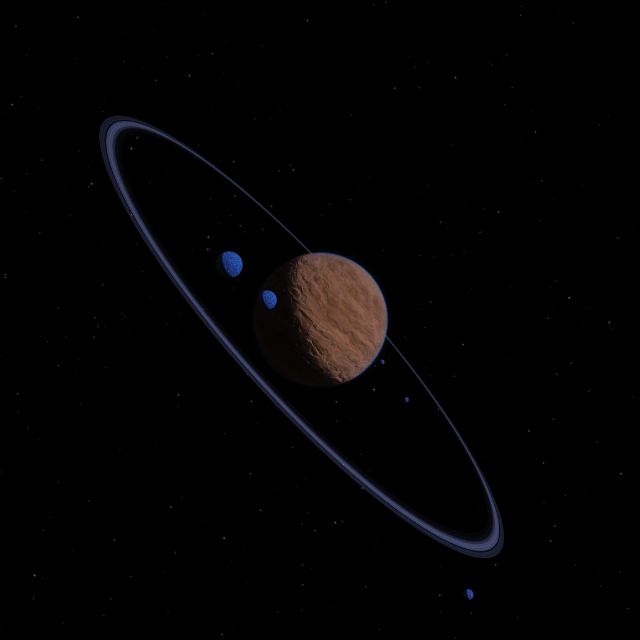
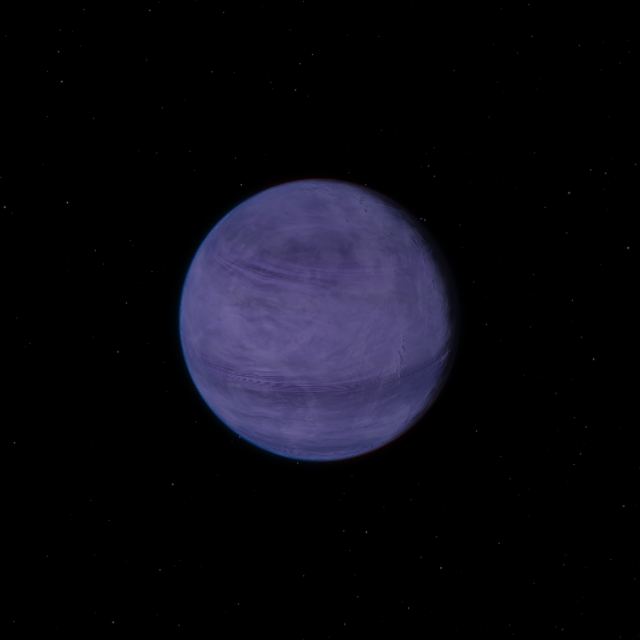
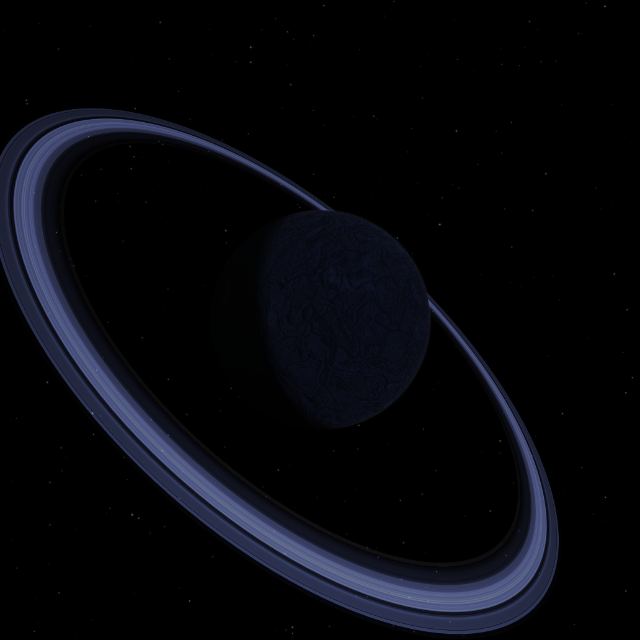
Habitable zoneDebris belt
Star and planets drawn to scale (a typical star of its class), with only the star's edge in view. Orbits spaced as in the star system view.
its an exotic terrestrial even if it seams like there's no life there actually is some trees and grass and samll insects life always find a way, execpt in venus
Surface. Pale mineral plains — carbonate flats, chalk mesas, and crusts no silicate world can build
Exotic Terrestrial
✦ Maitro
Your planet builds its crust from exotic minerals (37.1% calcium/titanium/aluminum-family rock formers) instead of the silicate-iron recipe every standard rocky world uses.Life unlikely — no phosphorus — DNA and ATP are built on itMagnetic FieldHigh Activity
Exotic terrestrials are temperate solid worlds whose geology skipped the silicate playbook - carbonate plains, titanium-gray mesas, alkali flats. They can hold air, water ingredients, and real habitability, but with no silicate continents or iron core they are their own class, not earth-likes.
Classification Criteria:
✓ Exotic rock formers: 37.1% (>=12% Ca/Ti/Al/K/Ni/U)✓ Standard rock: 12.3% (<15% - silicate rules never claimed it)✓ Temperature: 273K (240-380K temperate band)✓ Air + water ingredients: 15.3% O+H (>=15%) with an atmosphere
Habitability ScoreHabitable
Contributing Factors
water50
Limited water content - mostly frozen
geology90
Active geology recycles nutrients and drives carbon cycle
rotation100
Optimal rotation period - balanced day/night cycle, moderate weather, and good heat distribution
Organic Chemistry80
Core organic elements (CHNO) present
atmosphere70
Thin CO₂ and nitrogen atmosphere
Nitrogen atmosphere provides protection but not breathabletemperature70
Challenging but potentially habitable temperature
magnetic Field100
Magnetic field provides radiation protection
Physical Properties
Mass
1.10x Earth (6.57e+24 kg)Radius
1.03x Earth (6,577 km)Surface Gravity
1.03x Earth (10.1 m/s²)Surface Temperature
273 K (-0 °C / 32 °F)Rotation Period
17.0 hours/day (faster than Earth)Elemental Composition
Closest Real Exoplanet
Kepler-1512 b62% similar
Orbiting Kepler-1512| Yours | Kepler-1512 b | |
|---|---|---|
| Mass | 1.10 × Earth | 1.76 × Earth |
| Radius | 1.09 × Earth | 1.18 × Earth |
| Density (composition) | 4.68 g/cm³ | 5.90 g/cm³ |
| Temperature | 273.0 K | 322.0 K |
| Starlight received | 0.93 × Earth | 1.60 × Earth |
| Star temperature | 35,000 K | 4,372 K |