Entering orbit…
AI assistant
Habitability
9/ 100
View planet
View star system
View surface
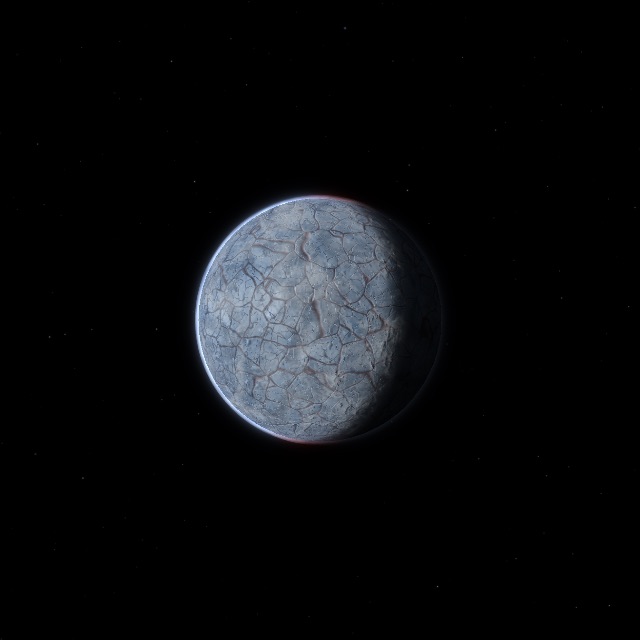
Pluto
0
- Mass
- 0.80 × Earth
- Radius
- 0.93 × Earth
- Gravity
- 0.93 g
- Surface
- 37 K
- Year
- 430 years
- Day
- 18.0 hrs
- Mass
- 0.80 × Earth
- Radius
- 0.93 × Earth
- Gravity
- 0.93 g
- Surface
- 37 K
- Year
- 430 years
- Day
- 18.0 hrs
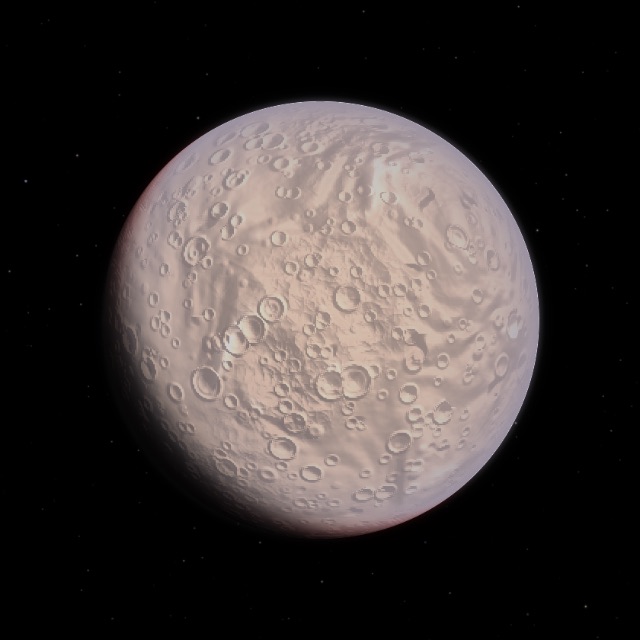
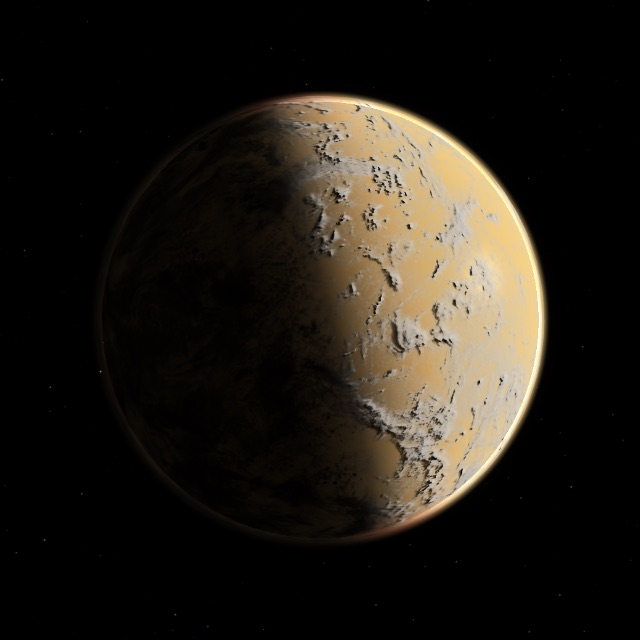
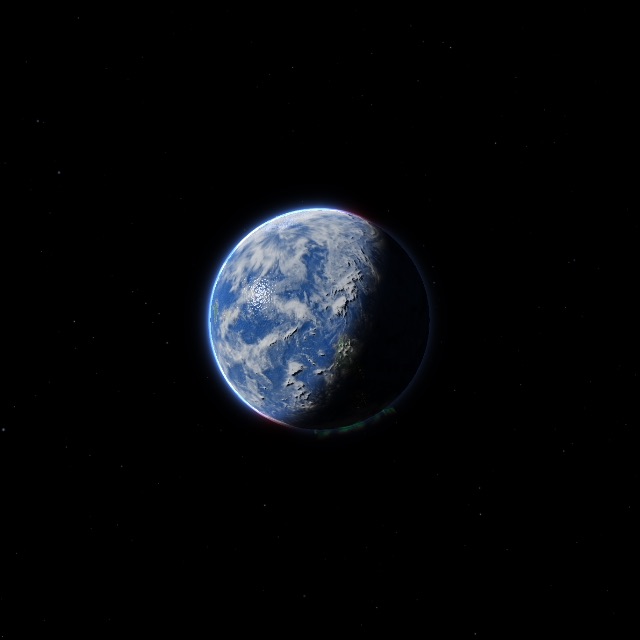
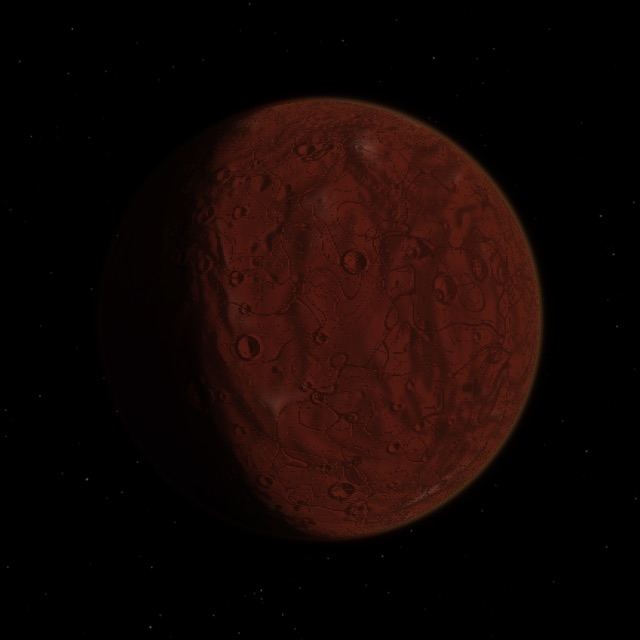
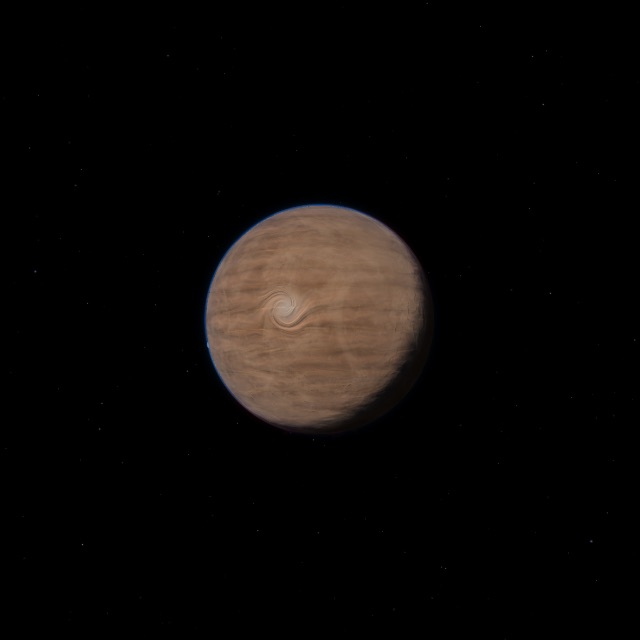
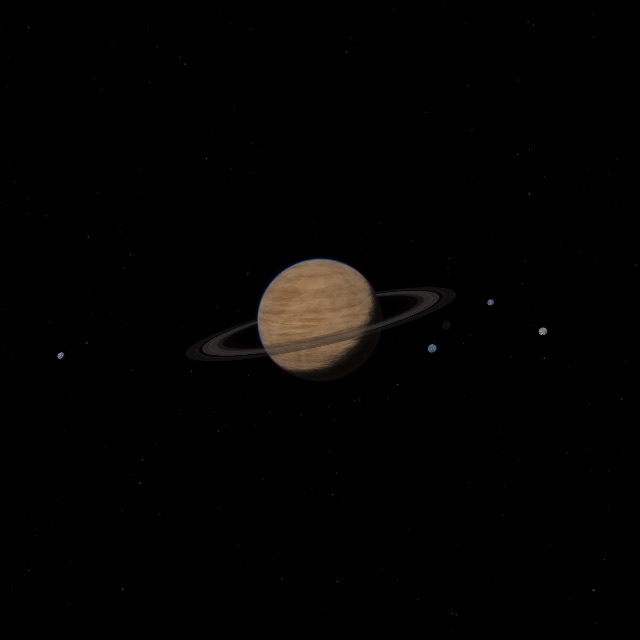
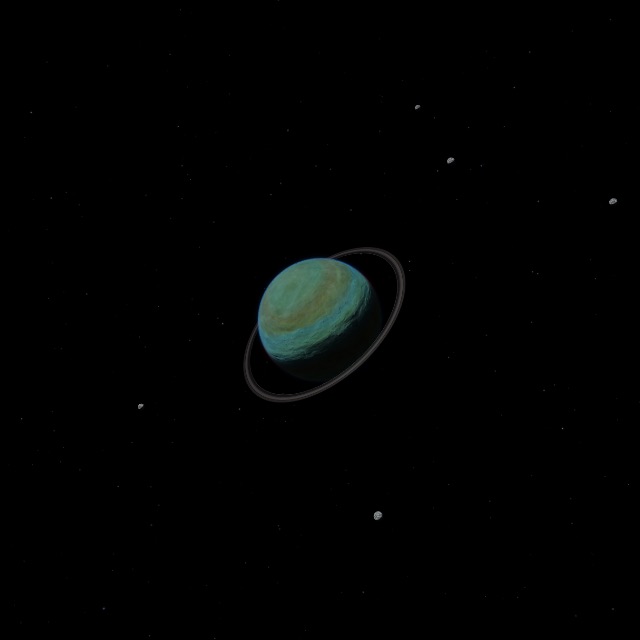
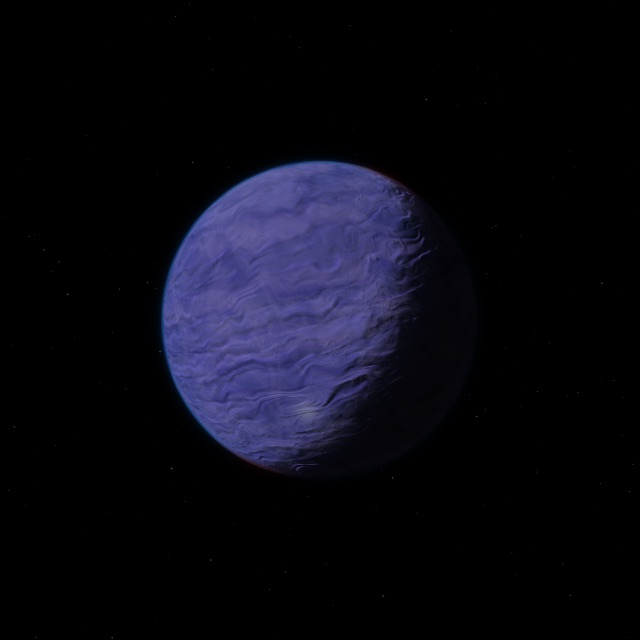
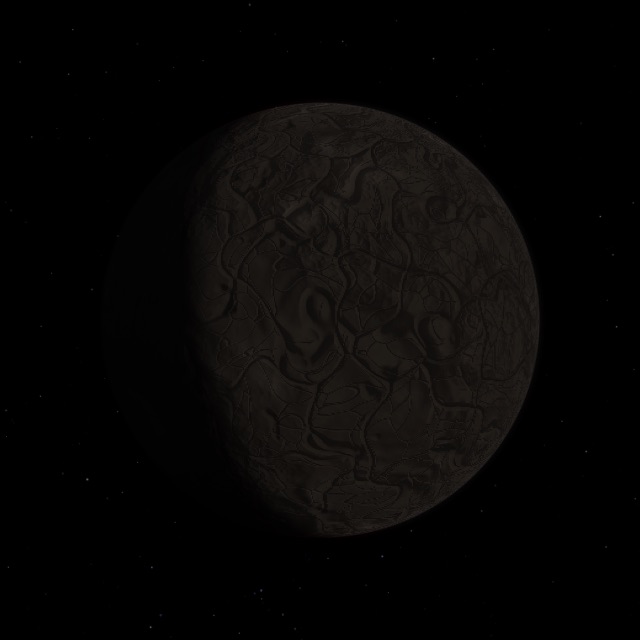
 PlutoYou are hereIce World
Habitable zoneDebris belt
Star and planets drawn to scale (a typical star of its class), with only the star's edge in view. Orbits spaced as in the star system view.
Pluto's moons
1 moon
Moon 1Nitrogen ice · 96,500 km
Planet, moons and orbits drawn to one scale; the smallest moons are enlarged so they can be seen.
“Pluto (minor-planet number 134340) is a dwarf planet in the Kuiper belt, a ring of bodies beyond the orbit of Neptune. It is the ninth-largest and tenth-most-massive known object to directly orbit the Sun. It is the largest known trans-Neptunian object by volume.”
Surface. Frozen surface covered in water ice, possible subsurface ocean if tidal heating present
Ice World
✦ Sol (Solar System)
Your planet orbits at 57.00 AU from its star, resulting in frigid temperatures of 37K.Magnetic FieldLow Activity
Ice worlds form beyond the frost line where temperatures are low enough for water and other volatiles to freeze solid. They may have subsurface oceans beneath thick ice shells.
Classification Criteria:
✓ Distance: 57.00 AU (>3 AU) or Temperature <200K✓ Temperature: 37K✓ Water content: 25.3% for ice formation
Habitability ScoreUninhabitable
Contributing Factors
water20
Good water content - frozen solid, no liquid phase at this temperature
geology70
Some geological activity provides slow nutrient cycling (tidal flexing sustains geologic activity)
rotation10
Near tidally locked - one hemisphere perpetually scorched, other frozen, narrow habitable twilight zone only
Organic Chemistry80
Core organic elements (CHNO) present
atmosphere28
Thin nitrogen and methane atmosphere
Nitrogen atmosphere provides protection but not breathable (partially stripped by slow rotation)temperature5
Near absolute zero - all molecular activity ceases, impossible for life (large moon stabilizes the axial tilt - steady seasons)
magnetic Field100
Magnetic field provides radiation protection (a large close moon may help stir the core dynamo (speculative))
Physical Properties
Mass
0.80x Earth (4.78e+24 kg)Radius
0.93x Earth (5,914 km)Surface Gravity
0.93x Earth (9.1 m/s²)Surface Temperature
37 K (-236 °C / -393 °F)Rotation Period
18.0 hours/day (faster than Earth)Elemental Composition
Closest Real Exoplanet
KMT-2023-BLG-1746 b52% similar
Orbiting KMT-2023-BLG-1746| Yours | KMT-2023-BLG-1746 b | |
|---|---|---|
| Mass | 0.80 × Earth | 2.23 × Earth |
| Radius | 1.14 × Earth | 1.30 × Earth |
| Density (composition) | 3.00 g/cm³ | 5.59 g/cm³ |
| Temperature | 36.9 K | — |
| Starlight received | 0.00 × Earth | — |
| Star temperature | 5,600 K | 3,200 K |
Moons
Moon 1recedingNitrogen & methane ice10% - 16.3 radii
Outside the synchronous orbit: slowly receding, like Luna (~cm per year).
Tidal braking locked the planet to its moon: one face forever moonward.
Cold enough for nitrogen and methane to lie as frost on the surface (Triton-like).