Entering orbit…
AI assistant
Habitability
0/ 100
View planet
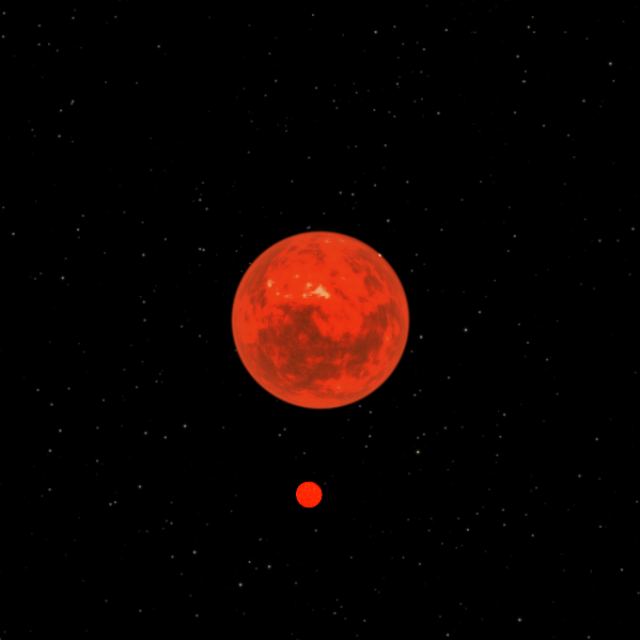
View star system
View surface
Aaron
- Mass
- 1.10 × Earth
- Radius
- 1.03 × Earth
- Gravity
- 1.03 g
- Surface
- 1,400 K
- Year
- 24.3 days
- Day
- 12.0 hrs
- Mass
- 1.10 × Earth
- Radius
- 1.03 × Earth
- Gravity
- 1.03 g
- Surface
- 1,400 K
- Year
- 24.3 days
- Day
- 12.0 hrs
Aaron0.11 AULava WorldYou are here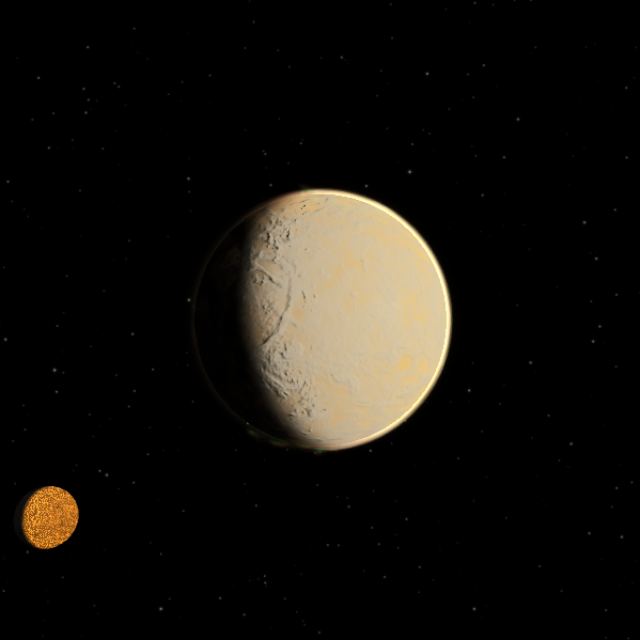
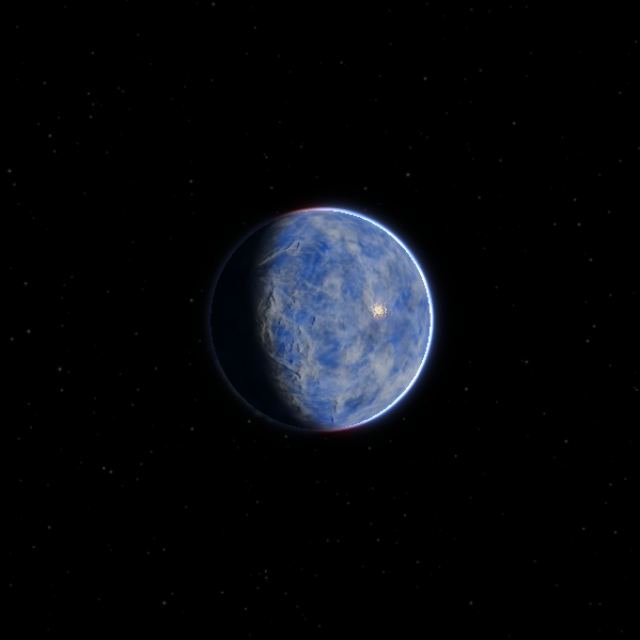
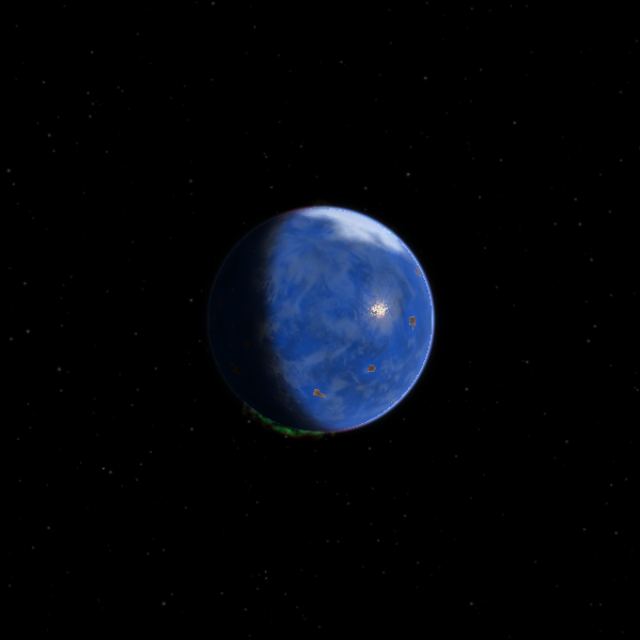
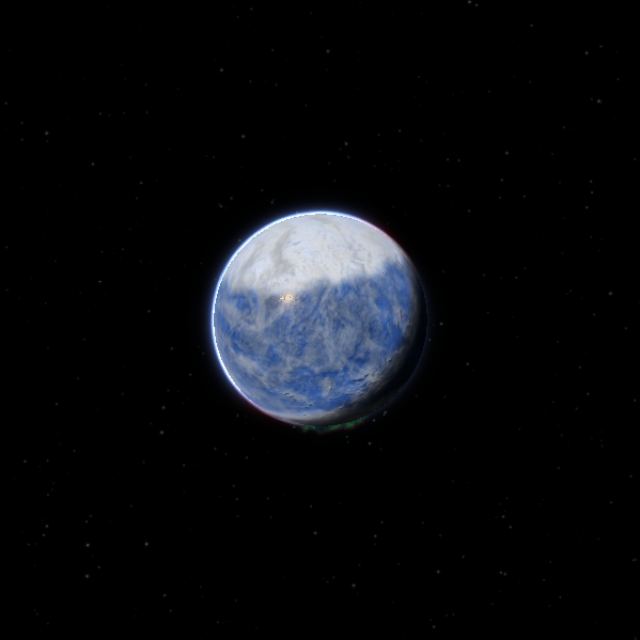
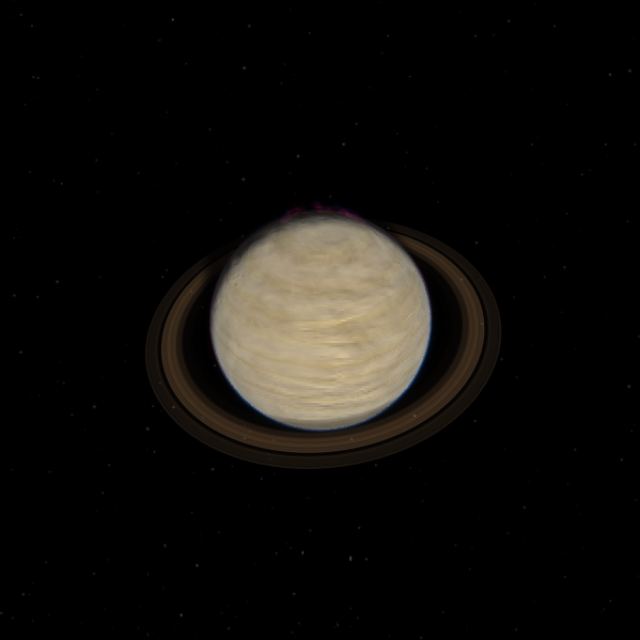
Habitable zone
Star and planets drawn to scale (a typical star of its class), with only the star's edge in view. Orbits spaced as in the star system view.
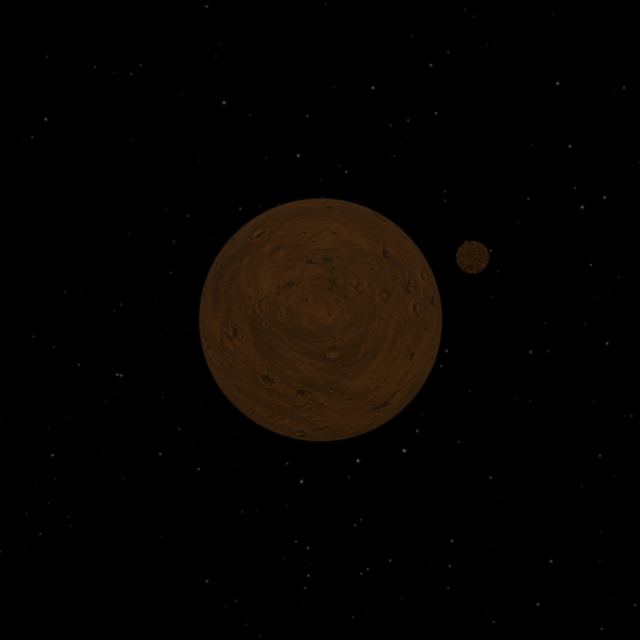
Aaron's moons
1 moon
Aaron Jr.Volcanic · 27,600 km
Planet, moons and orbits drawn to one scale; the smallest moons are enlarged so they can be seen.
0.01 AU 1.15 Day orbit (dosent let me move it closer)
Surface. Surface remelted by a catastrophic moon impact - a global magma ocean cooling into scarred rock
Lava World
✦ Ale´s Star
A moon inside the synchronous orbit spiraled in and struck the planet. The impact remelted the surface into a global magma ocean.Magnetic FieldExtreme Activity
Tidal decay drags close-in moons down over millions of years. A large enough impactor liquefies the crust, strips atmosphere, and resets the surface - whatever the orbit's temperature would otherwise allow.
Classification Criteria:
✓ Moon inside the synchronous orbit (tidal decay)✓ Impactor massive enough to remelt the crust- Orbit itself was fine: 0.11 AU, 1400K equilibrium
Habitability ScoreUninhabitable
Contributing Factors
water3
Very dry - minimal water - boiling away, little would be retained
geology60
Extreme volcanic activity may be hazardous (tidal flexing sustains geologic activity) (impact-resurfaced crust)
rotation10
Near tidally locked - one hemisphere perpetually scorched, other frozen, narrow habitable twilight zone only
Organic Chemistry20
Limited organic chemistry potential
atmosphere14
Vaporized rock and impact ash - the original atmosphere blown off by the strike
Atmosphere present but composition not ideal for life (partially stripped by slow rotation) (atmosphere partially stripped by the moon impact)temperature0
Inferno world - temperatures exceed all possibility of life
magnetic Field100
Magnetic field provides radiation protection
Physical Properties
Mass
1.10x Earth (6.57e+24 kg)Radius
1.03x Earth (6,577 km)Surface Gravity
1.03x Earth (10.1 m/s²)Surface Temperature
1,400 K (1,127 °C / 2,060 °F)Rotation Period
12.0 hours/day (faster than Earth)Elemental Composition
Closest Real Exoplanet
Kepler-446 c71% similar
Orbiting Kepler-446| Yours | Kepler-446 c | |
|---|---|---|
| Mass | 1.10 × Earth | 1.41 × Earth |
| Radius | 1.03 × Earth | 1.11 × Earth |
| Density (composition) | 5.60 g/cm³ | 5.68 g/cm³ |
| Temperature | 1,400 K | 520.0 K |
| Starlight received | 3.31 × Earth | 6.71 × Earth |
| Star temperature | 3,050 K | 3,359 K |
Moons
Aaron Jr.recedingVolcanic
aaron son
Outside the synchronous orbit: slowly receding, like Luna (~cm per year).
Tidal braking locked the planet to its moon: one face forever moonward.
Tidal flexing melts its interior: an actively volcanic surface (Io-like).
Moon 2crashed
Inside the synchronous orbit: tidal decay dragged it down - it struck the planet ages ago.
+10 geology: tidal flexing sustains geologic activity-2 atmosphere: atmosphere partially stripped by the moon impact+10 geology: impact-resurfaced crust