Entering orbit…
AI assistant
Habitability
0/ 100
View planet
View star system
View surface
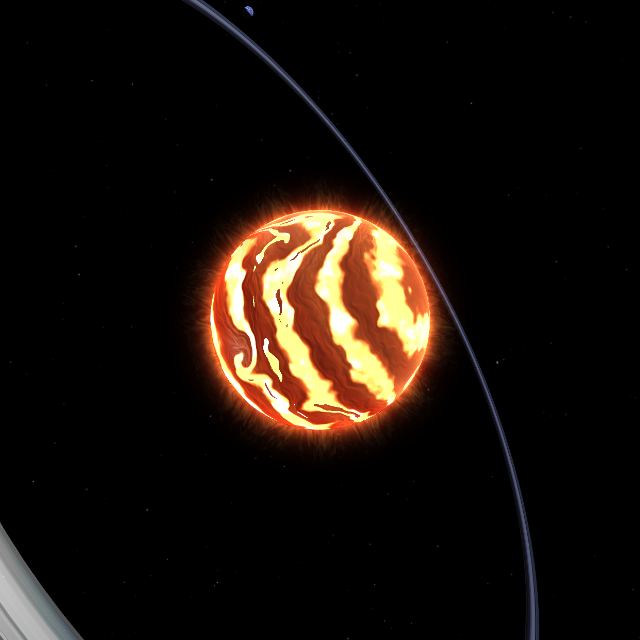
phoenix-87
- Mass
- 9534.00 × Earth
- Radius
- 21.20 × Earth
- Gravity
- 21.20 g
- Surface
- 3,070 K
- Year
- 85.8 days
- Day
- 24.0 hrs
- Mass
- 9534.00 × Earth
- Radius
- 21.20 × Earth
- Gravity
- 21.20 g
- Surface
- 3,070 K
- Year
- 85.8 days
- Day
- 24.0 hrs
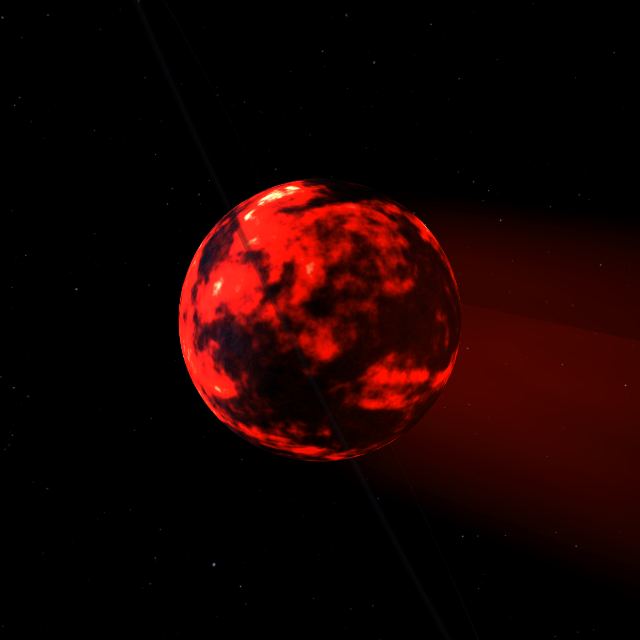 phoenix-870.82 AUBrown DwarfYou are here
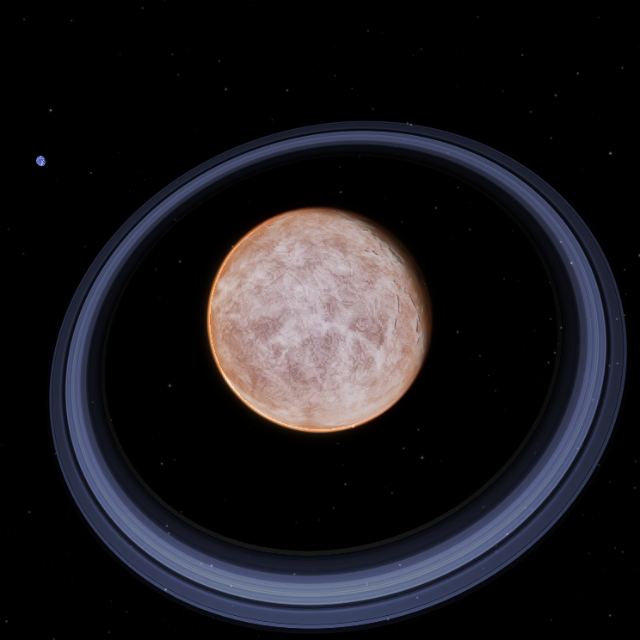
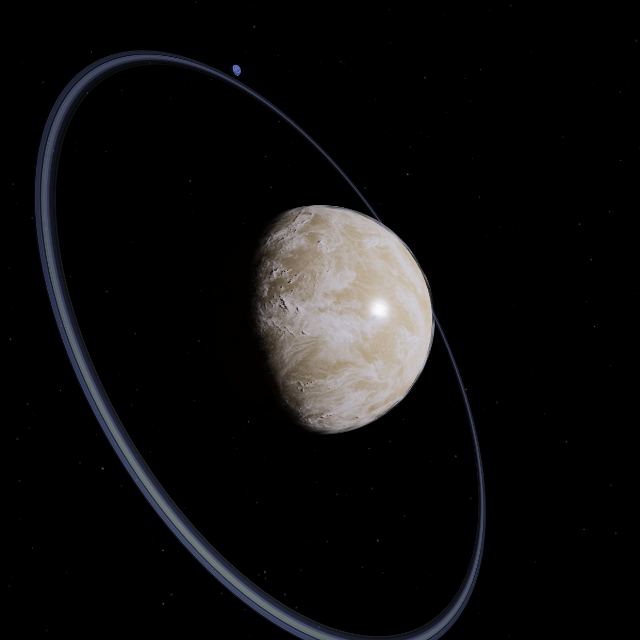
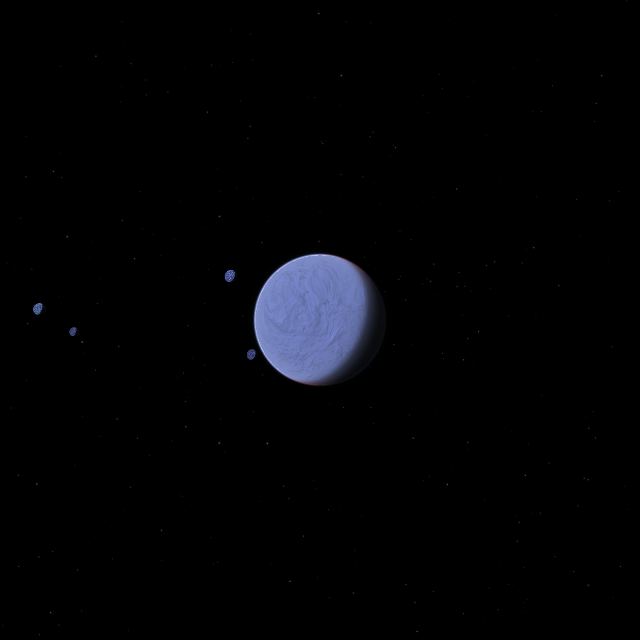
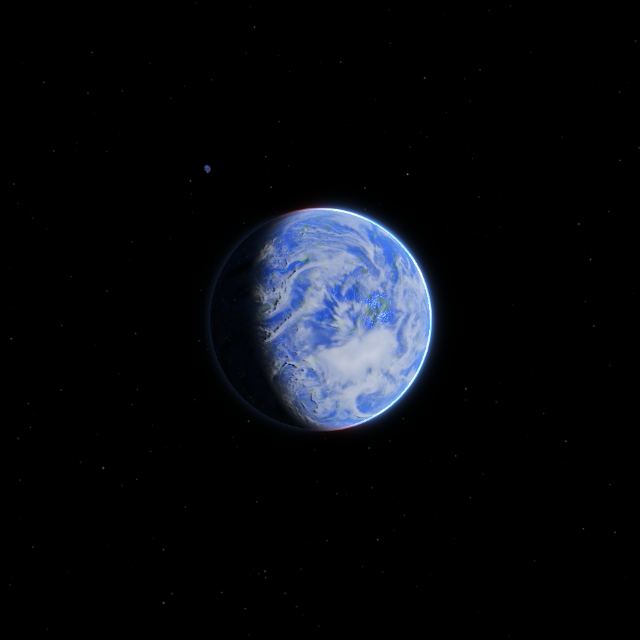
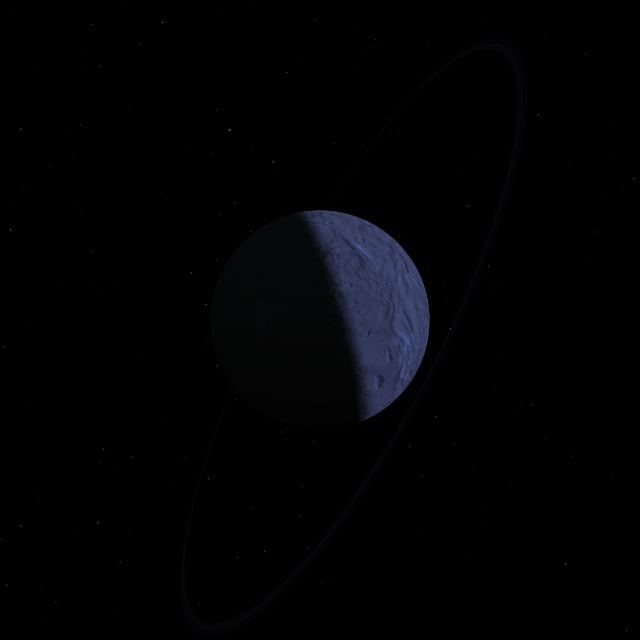
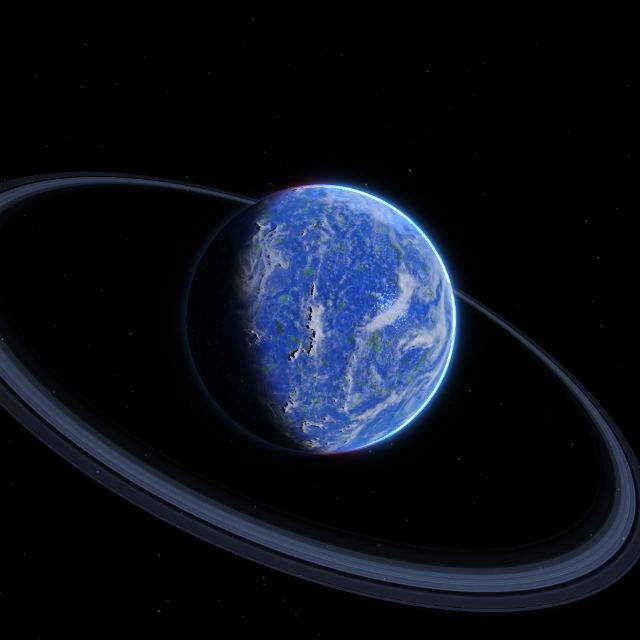
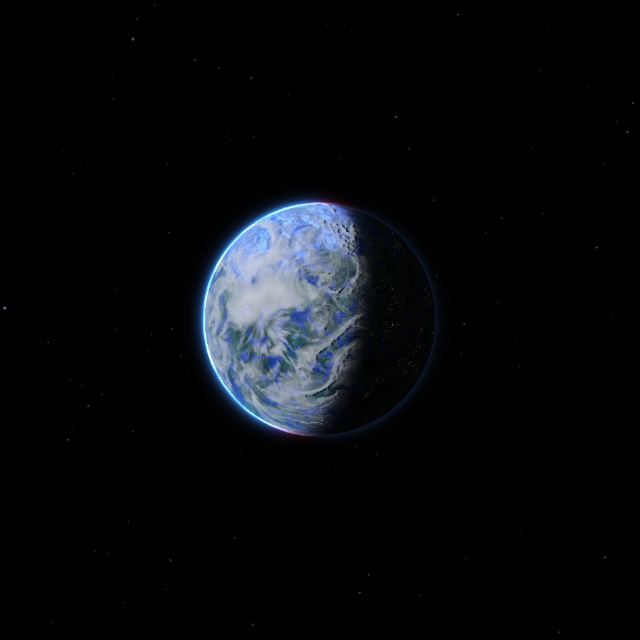
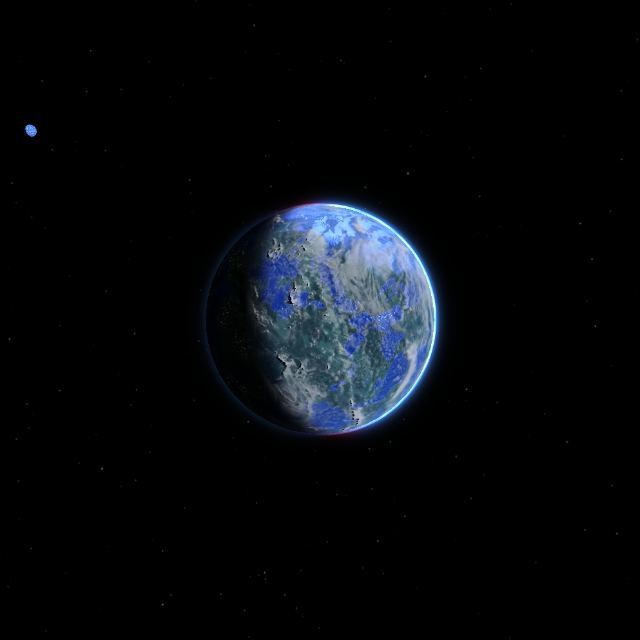
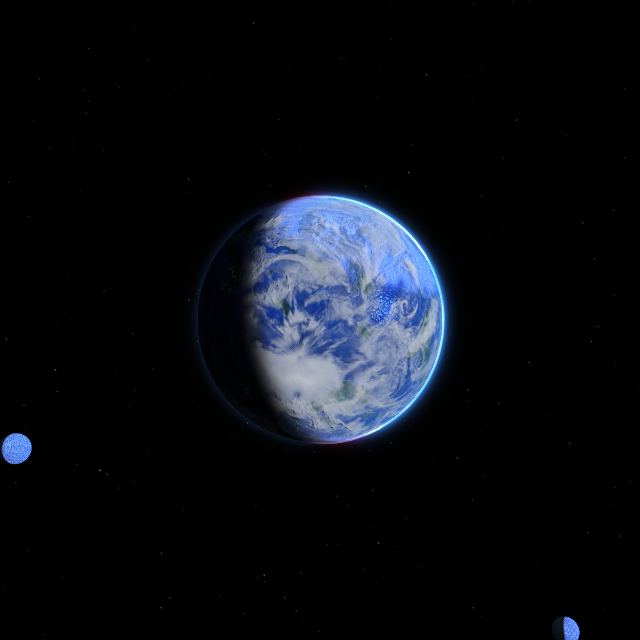
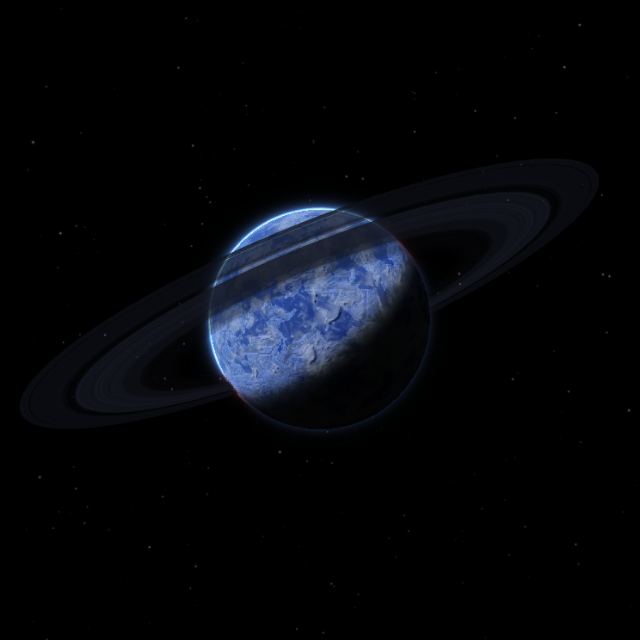
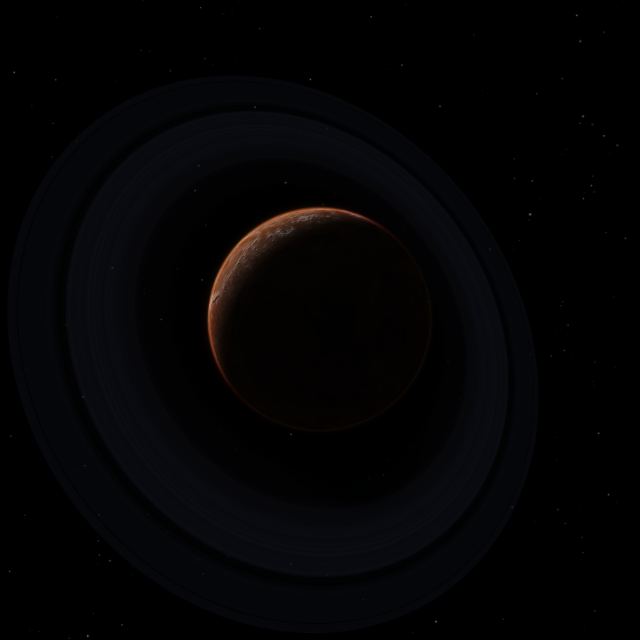
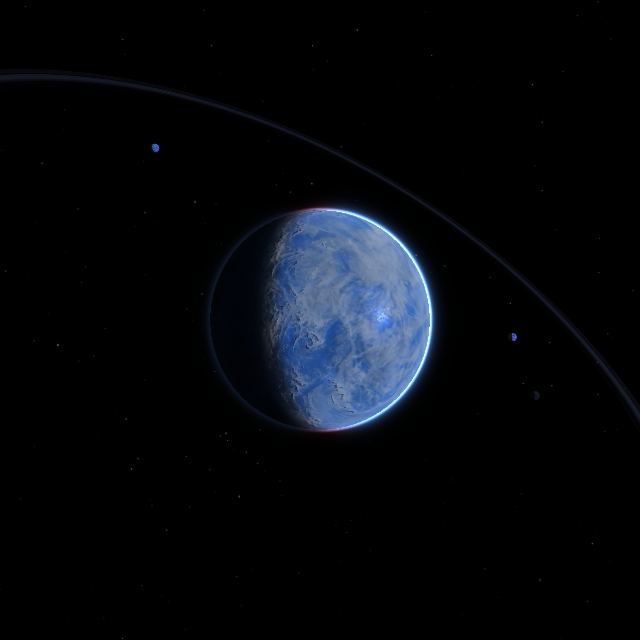
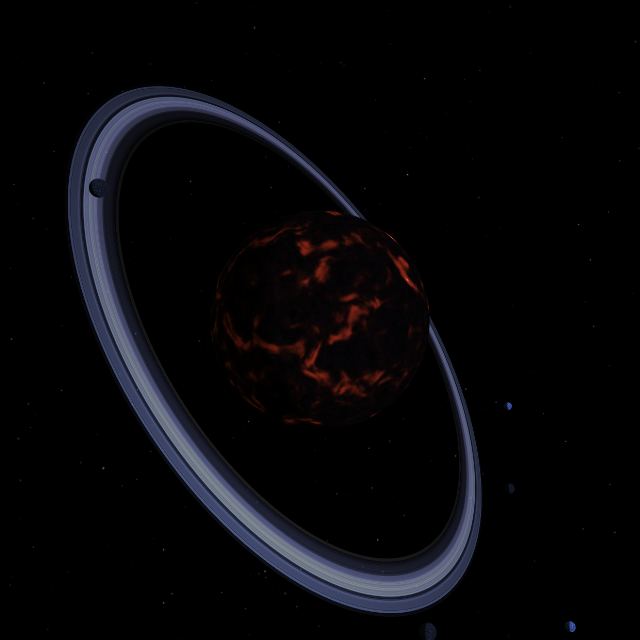
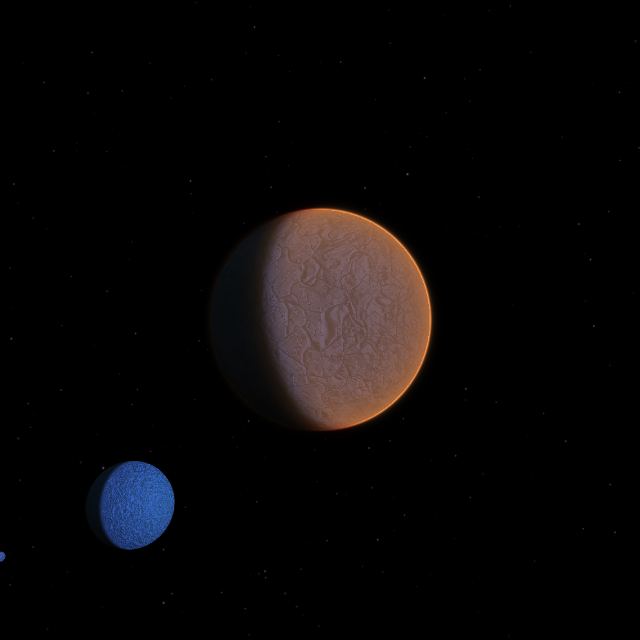
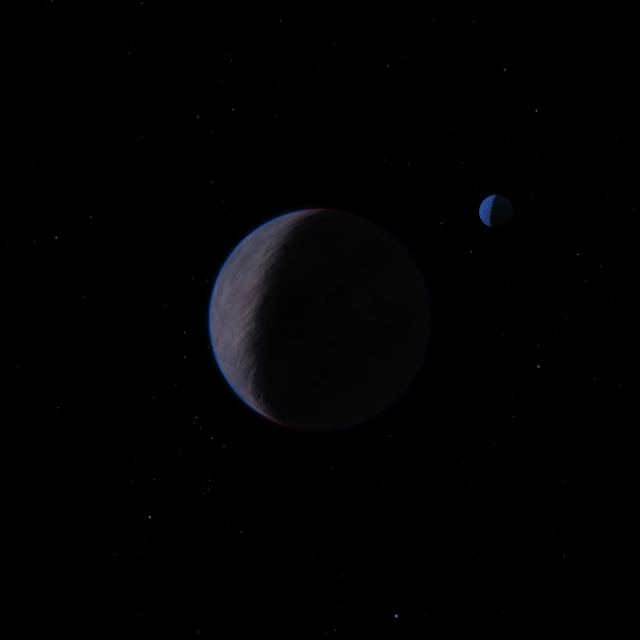
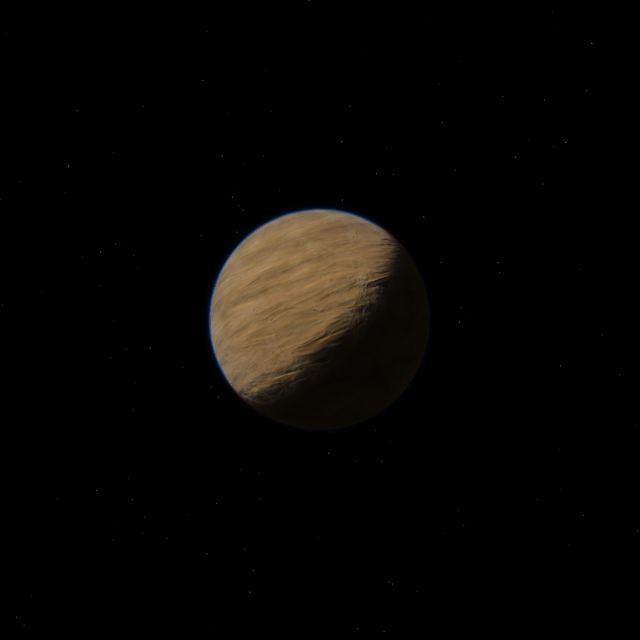
Habitable zone
Star and planets drawn to scale (a typical star of its class), with only the star's edge in view. Orbits spaced as in the star system view.
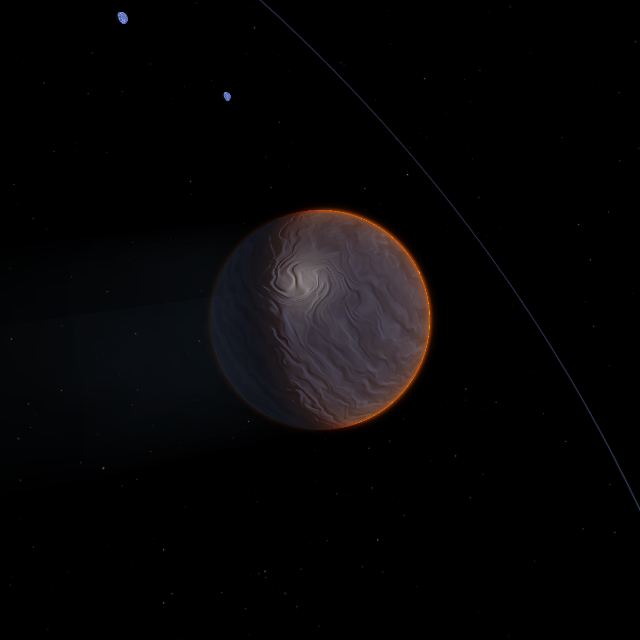
phoenix-87's moons
3 moons
Moon 1Rock · 932,100 km
Moon 2Rock · 1,621,100 km
Moon 3Rock · 2,458,700 km
Planet, moons and orbits drawn to one scale; the smallest moons are enlarged so they can be seen.
Surface. No surface: a deuterium-burning sphere the size of Jupiter and dozens of times its mass, glowing dull red from its own heat
Brown Dwarf
✦ phoenix
Your planet has an unusual composition that doesn't fit standard classifications, or lacks the elements needed for complex geological processes.Magnetic FieldNone Activity
Barren worlds can form from uncommon element combinations or may be remnants of larger bodies that lost their atmospheres and volatile materials.
Classification Criteria:
Composition doesn't match standard planet typesMass: 9534.0x EarthTemperature: 3070K
Habitability ScoreUninhabitable
Contributing Factors
water15
No solid surface — any water is locked in a supercritical mantle and hot ice, not oceans
geology30
Geologically dead - no nutrient recycling
rotation10
Near tidally locked - one hemisphere perpetually scorched, other frozen, narrow habitable twilight zone only
Organic Chemistry20
Limited organic chemistry potential
atmosphere12
Hydrogen and helium with iron and silicate cloud decks - hot enough to rain molten metal
Hydrogen-rich atmosphere typical of gas giants (partially stripped by slow rotation)temperature0
Inferno world - temperatures exceed all possibility of life (extreme seasons: at 90° the poles swing between months-long day and night: −25% habitability)
magnetic Field20
A strong field, but no surface beneath it — there is nothing here for it to shelter
Physical Properties
Mass
9534.00x Earth (5.69e+28 kg)Radius
21.20x Earth (135,093 km)Surface Gravity
21.20x Earth (208.0 m/s²)Surface Temperature
3,070 K (2,797 °C / 5,066 °F)Rotation Period
24.0 hours/dayTime Dilation
Clocks run 5.7 seconds per year slower than deep space — about 8 minutes over a lifetimeElemental Composition
Closest Real Exoplanet
WD J0404+1112 b74% similar
Orbiting WD J0404+1112| Yours | WD J0404+1112 b | |
|---|---|---|
| Mass | 9,534 × Earth | 7,950 × Earth |
| Radius | 21.2 × Earth | 11.9 × Earth |
| Density (composition) | — | 26.0 g/cm³ |
| Temperature | 3,070 K | 1,500 K |
| Starlight received | 14,872 × Earth | 13,500 × Earth |
| Star temperature | 20,000 K | 25,000 K |
Moons
Moon 1stable
Small and distant: a quiet, stable companion.
Moon 2stable
Small and distant: a quiet, stable companion.
Moon 3stable
Small and distant: a quiet, stable companion.
Moon 4rings
Inside the synchronous orbit: it spiraled inward and was torn apart at the Roche limit (Phobos's fate).
Moon 5rings
Inside the synchronous orbit: it spiraled inward and was torn apart at the Roche limit (Phobos's fate).
Moon 6merged
Merged with an adjacent moon: too close for both to hold a stable orbit.
Moon 7merged
Merged with an adjacent moon: too close for both to hold a stable orbit.
+4 chemistry: tidal pools cycle wet and dry - a boost for prebiotic chemistry