Entering orbit…
AI assistant
Habitability
0/ 100
View planet
View star system
View surface
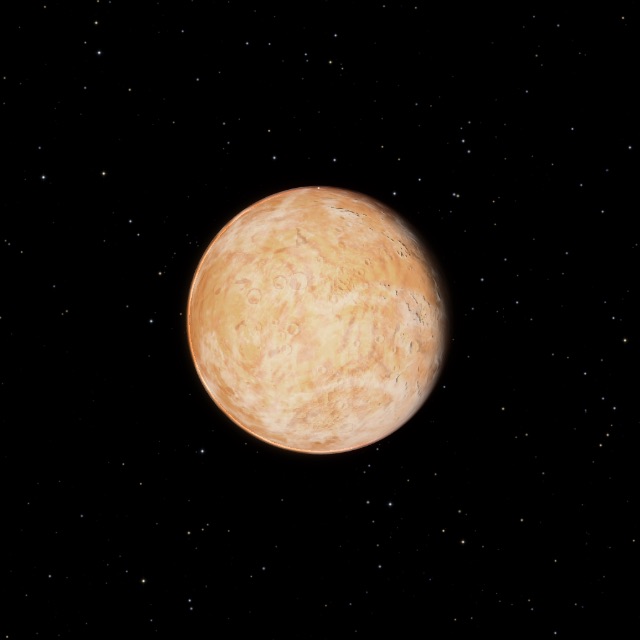
Chitauri k
- Mass
- 0.30 × Earth
- Radius
- 0.67 × Earth
- Gravity
- 0.67 g
- Surface
- 406 K
- Year
- 118 days
- Day
- 64.0 hrs
- Mass
- 0.30 × Earth
- Radius
- 0.67 × Earth
- Gravity
- 0.67 g
- Surface
- 406 K
- Year
- 118 days
- Day
- 64.0 hrs
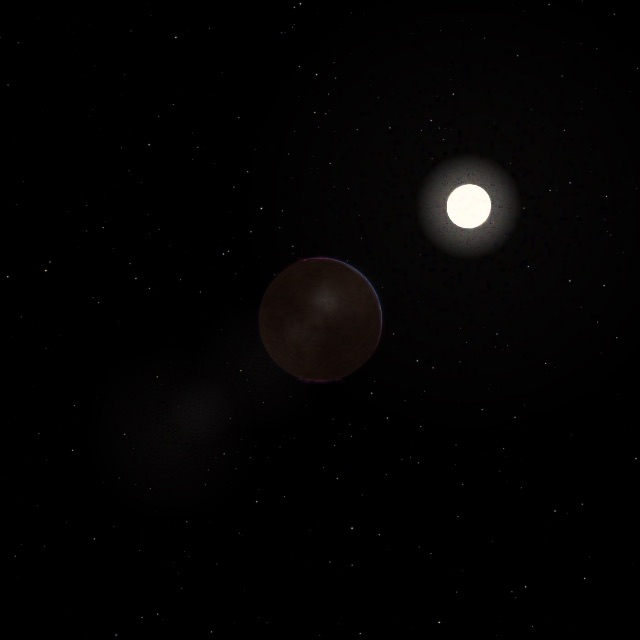
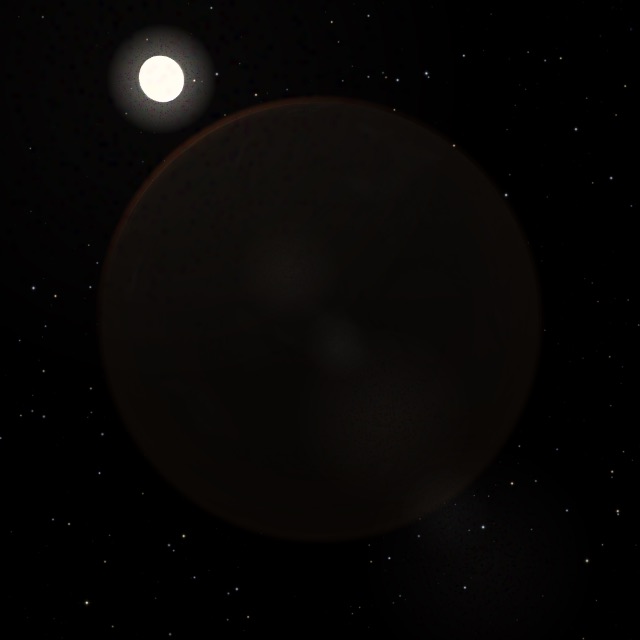
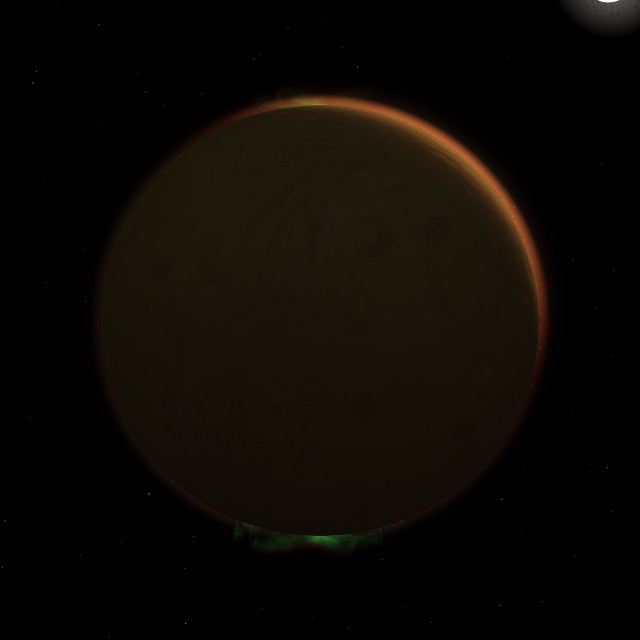
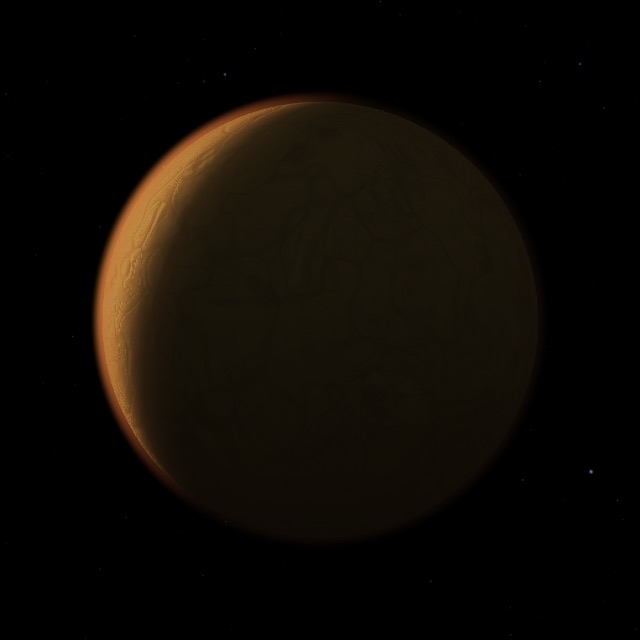
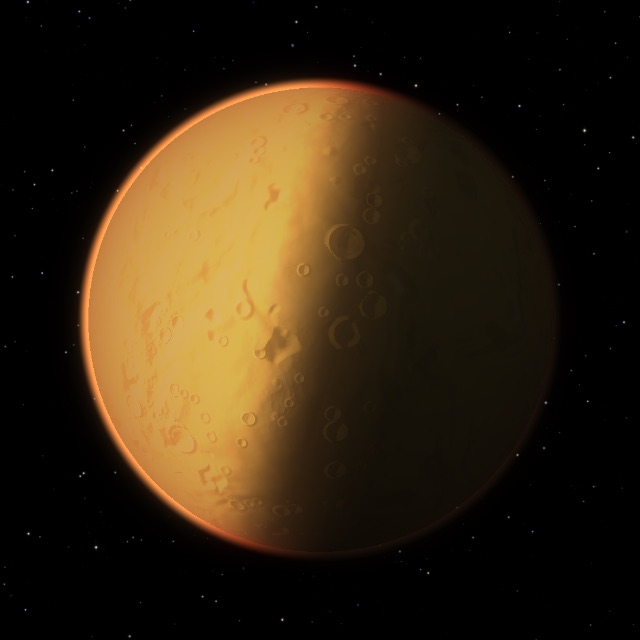
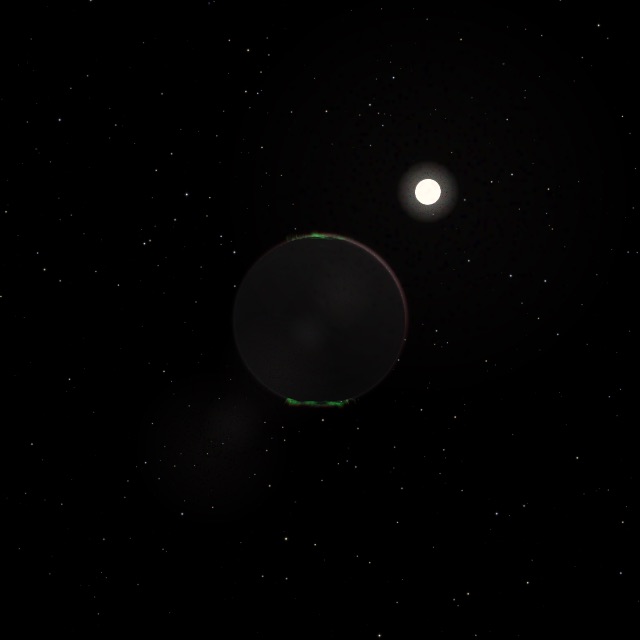
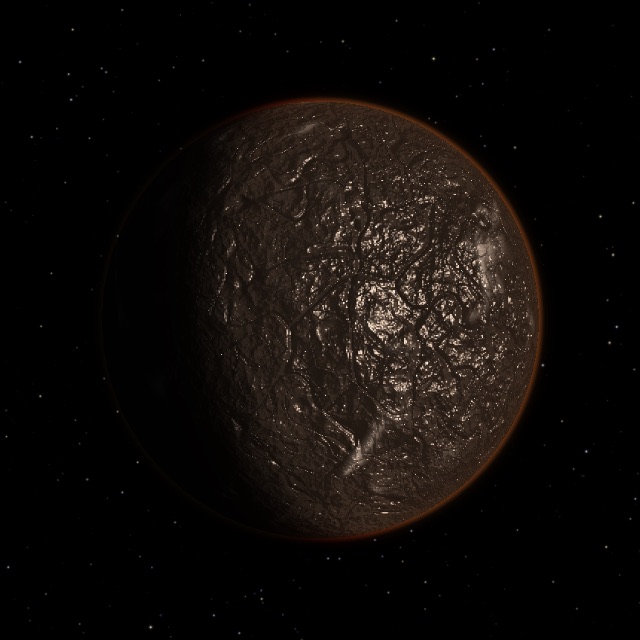
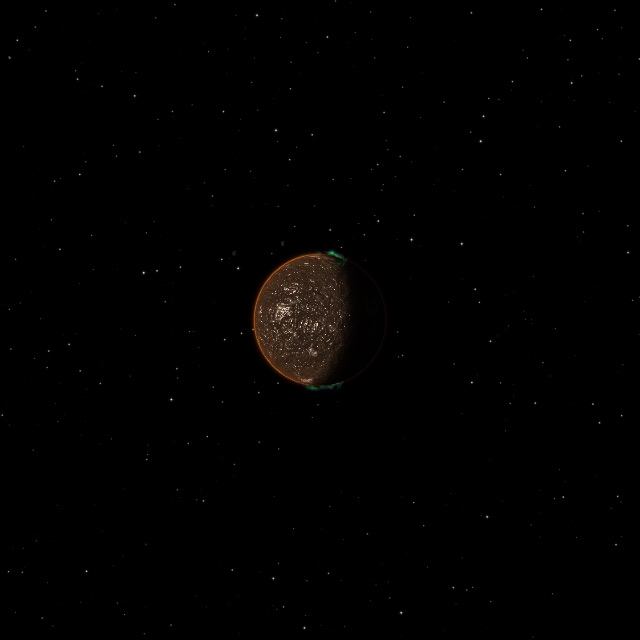 Chitauri k0.47 AUDesert WorldYou are here
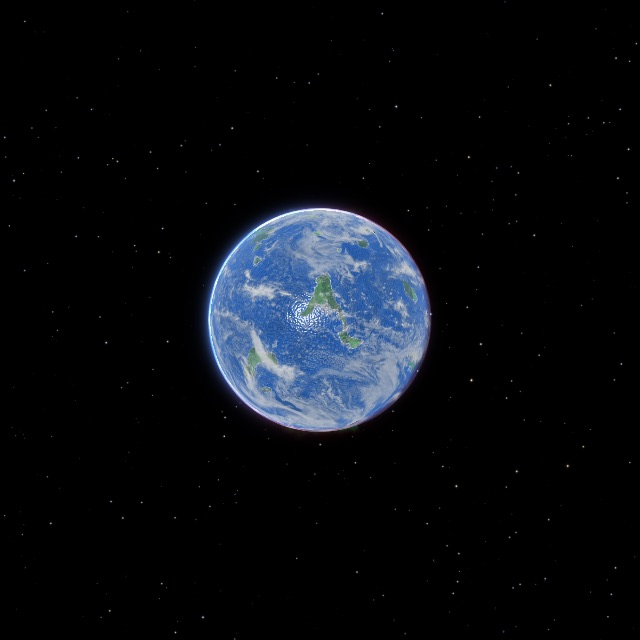
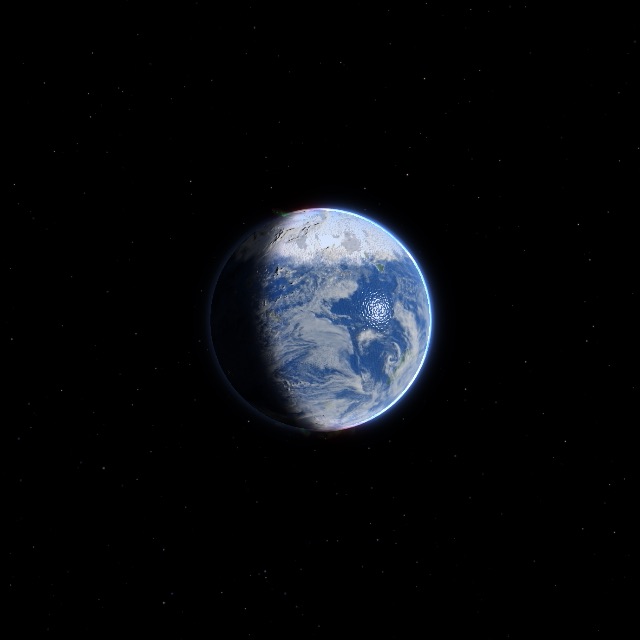
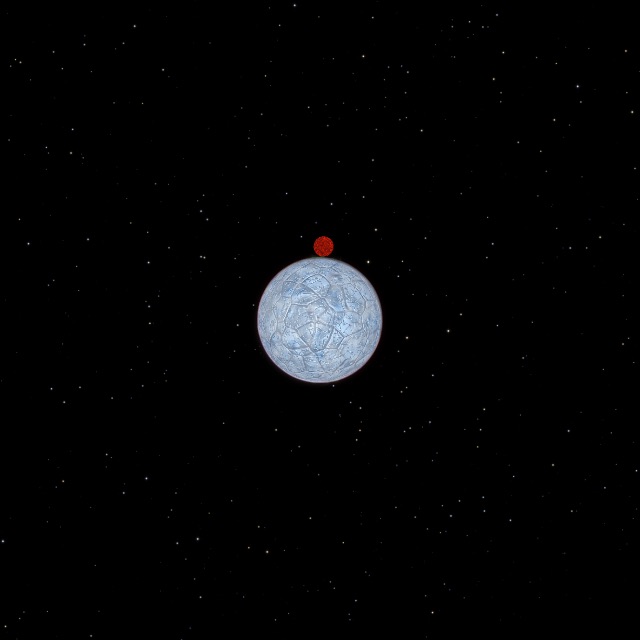
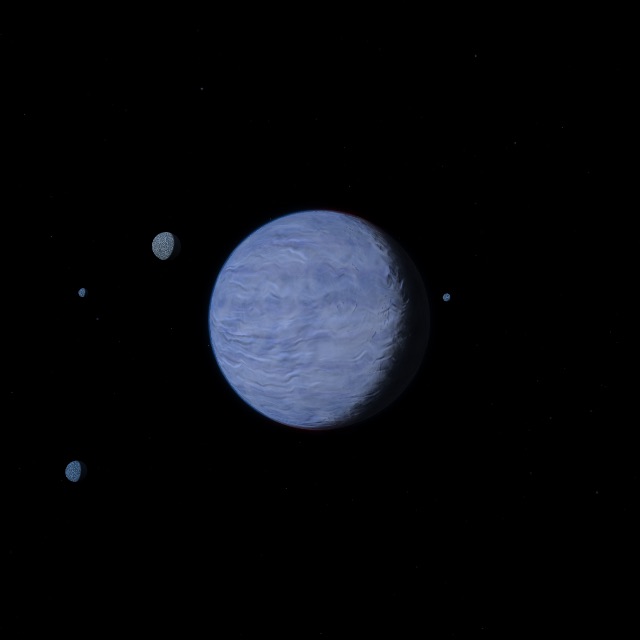
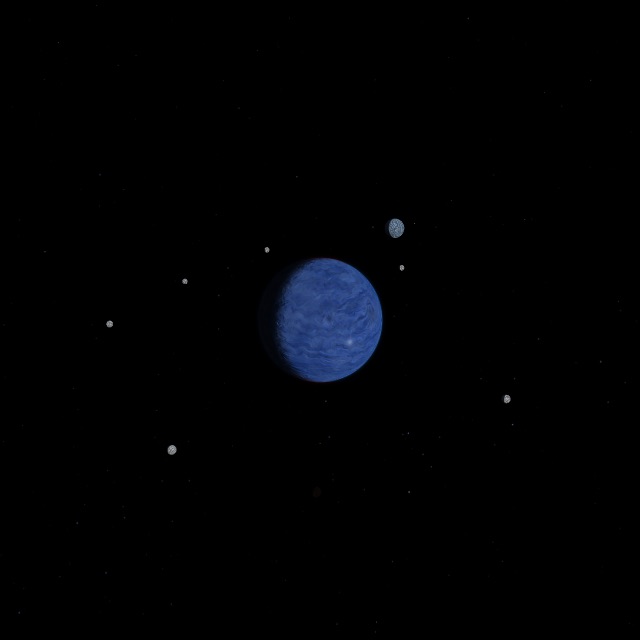
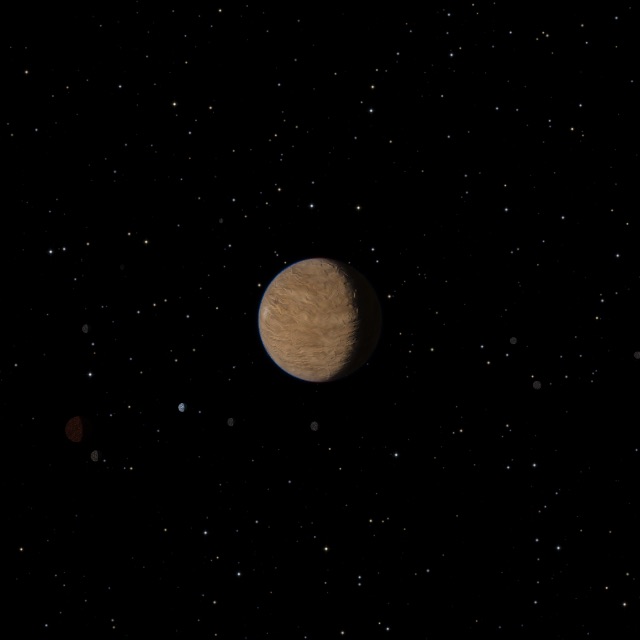
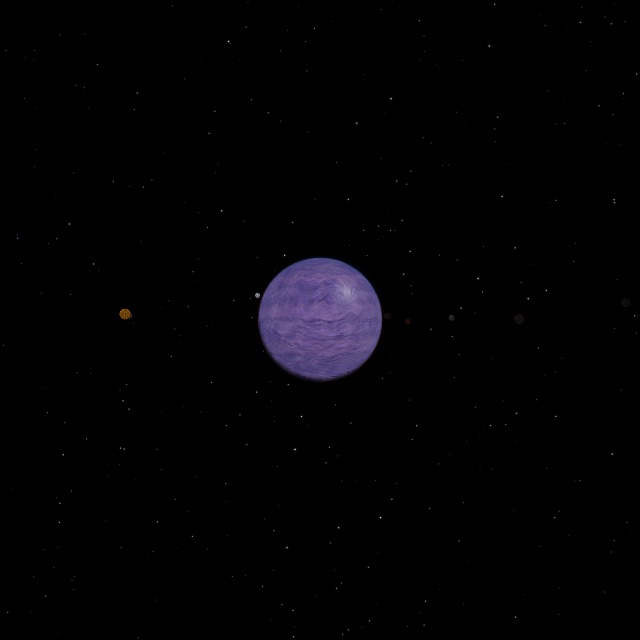
Habitable zone
Star and planets drawn to scale (a typical star of its class), with only the star's edge in view. Orbits spaced as in the star system view.
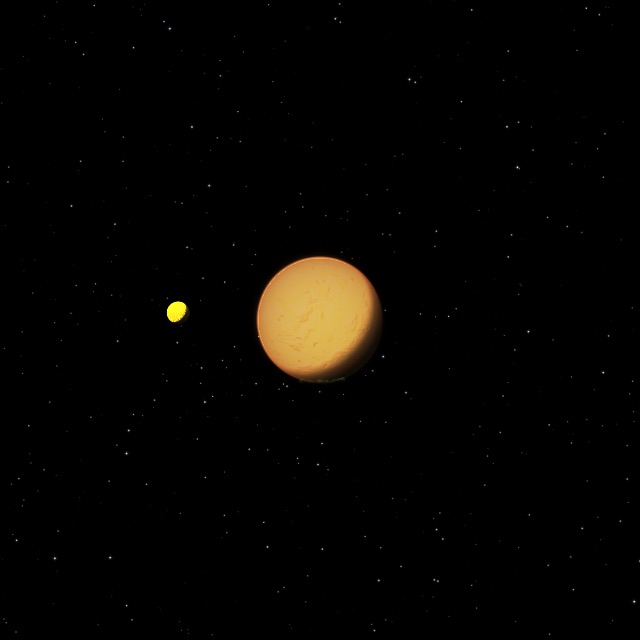
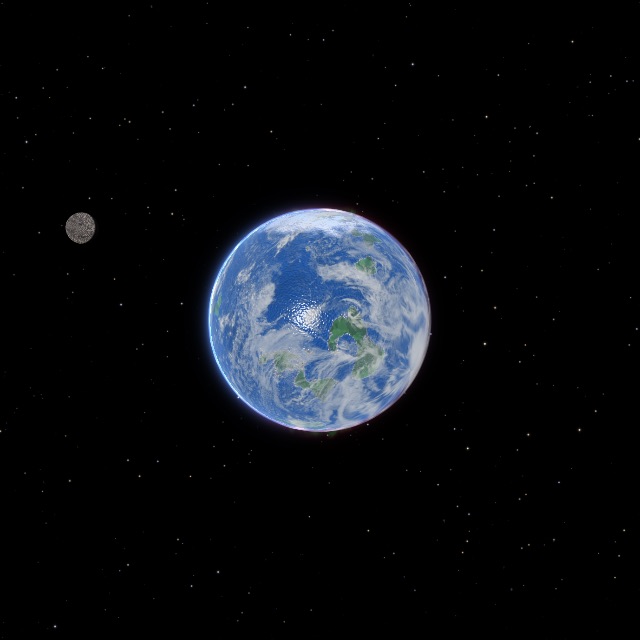
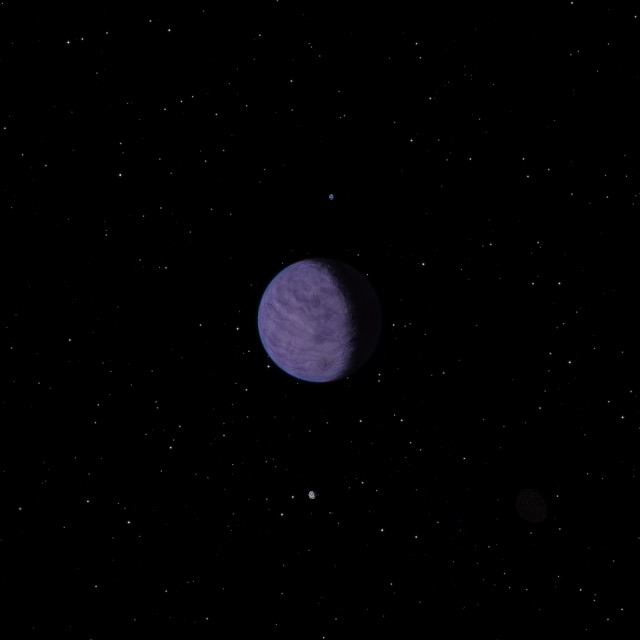
Chitauri k's moons
1 moon
PegasiRock · 55,300 km
Planet, moons and orbits drawn to one scale; the smallest moons are enlarged so they can be seen.
Chitauri k Was Active A Long Time Ago, But It’s Moon Pegasi Is More Active.
Surface. Endless dune seas and wind-carved rock under a permanent dust haze - scorching days, freezing nights
Desert World
✦ Chitauri
Your planet is a hot (406K), bone-dry silicate rock that kept its atmosphere - with no water cycle to wash the air, wind lofts a permanent dust veil over endless dune seas.None Activity
Desert worlds are the Tatooine/Arrakis archetype: enough rock to build a solid surface, enough air to carry dust, and too little hydrogen for oceans or rain. Heat bakes out any trace moisture, so nothing interrupts the wind's work - dune seas, wind-carved rock, scorching days.
Classification Criteria:
✓ Hydrogen: 0.0% (<5% - bone dry, no water cycle)✓ Temperature: 406K (300-500K hot band)✓ Silicon + Iron + Magnesium: 69.4% (>=30% - a real rocky surface)✓ Holds an atmosphere to carry the dust haze
Habitability ScoreUninhabitable
Contributing Factors
water0
No water - the recipe has no hydrogen and oxygen to form it
geology30
Geologically dead - no nutrient recycling
rotation65
Slow rotation - significant day/night temperature variations, but life can adapt
Organic Chemistry20
Limited organic chemistry potential
atmosphere70
Thin, dusty CO₂-nitrogen atmosphere - permanent haze of wind-borne sand
Nitrogen atmosphere provides protection but not breathabletemperature15
Extremely hot - hostile to known life forms
magnetic Field30
No magnetic field - vulnerable to solar radiation
Physical Properties
Mass
0.30x Earth (1.79e+24 kg)Radius
0.67x Earth (4,265 km)Surface Gravity
0.67x Earth (6.6 m/s²)Surface Temperature
406 K (133 °C / 271 °F)Rotation Period
64.0 hours/day (slower than Earth)Elemental Composition
Closest Real Exoplanet
Barnard c89% similar
Orbiting Barnard's star| Yours | Barnard c | |
|---|---|---|
| Mass | 0.30 × Earth | 0.34 × Earth |
| Radius | 0.73 × Earth | 0.74 × Earth |
| Density (composition) | 4.22 g/cm³ | 4.50 g/cm³ |
| Temperature | 406.1 K | 400.0 K |
| Starlight received | 4.53 × Earth | 4.73 × Earth |
| Star temperature | 5,600 K | 3,195 K |
Moons
PegasistableSilicate rock
Pegasi Is A Small, Active Moon.
Small and distant: a quiet, stable companion.