Entering orbit…
AI assistant
Habitability
88/ 100
View planet
View star system
View surface
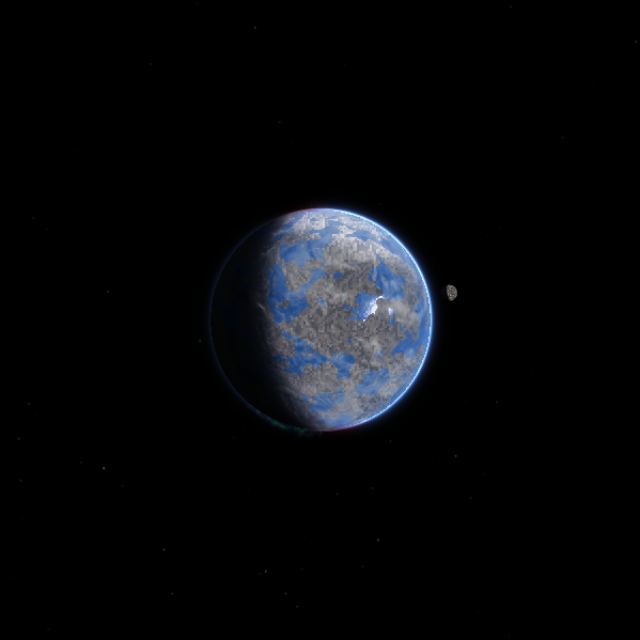
posedion
- Mass
- 1.20 × Earth
- Radius
- 1.06 × Earth
- Gravity
- 1.06 g
- Surface
- 301 K
- Year
- 387 days
- Day
- 28.0 hrs
- Mass
- 1.20 × Earth
- Radius
- 1.06 × Earth
- Gravity
- 1.06 g
- Surface
- 301 K
- Year
- 387 days
- Day
- 28.0 hrs
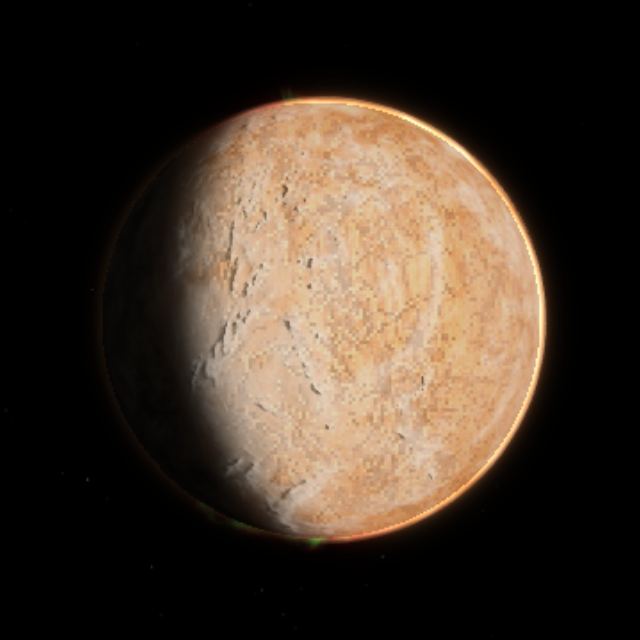
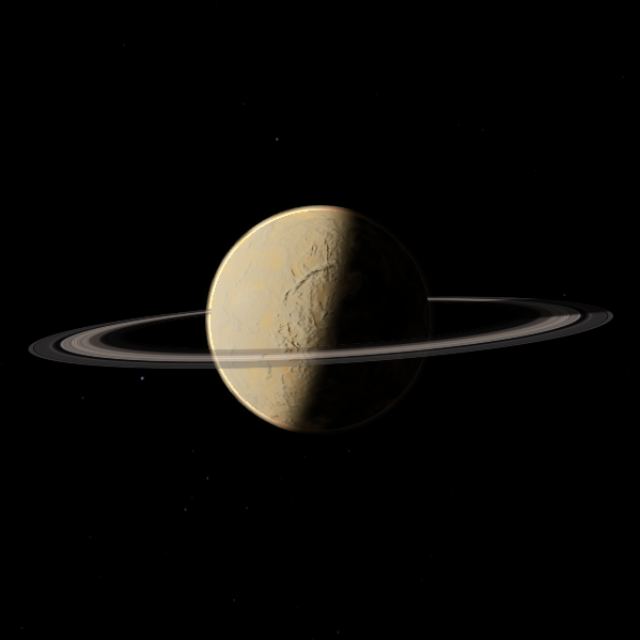 posedion1.04 AURocky TerrestrialYou are here
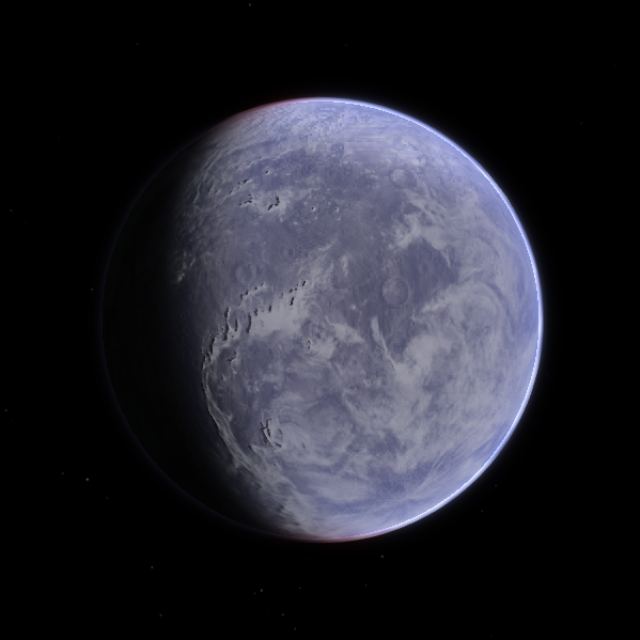
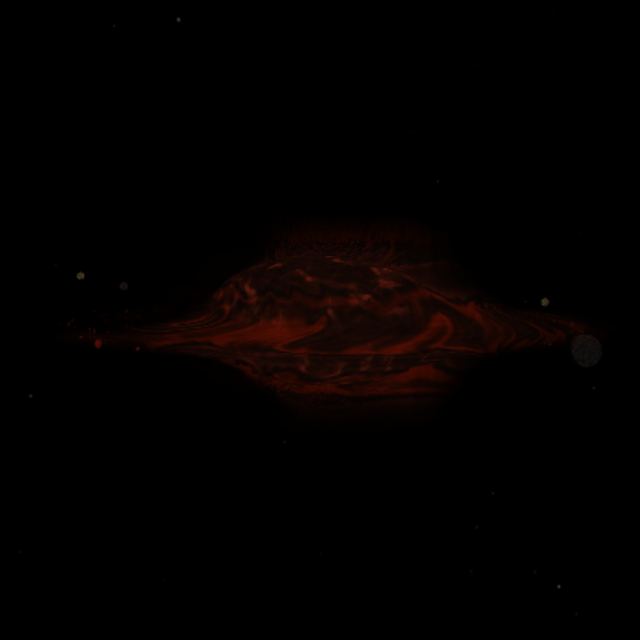
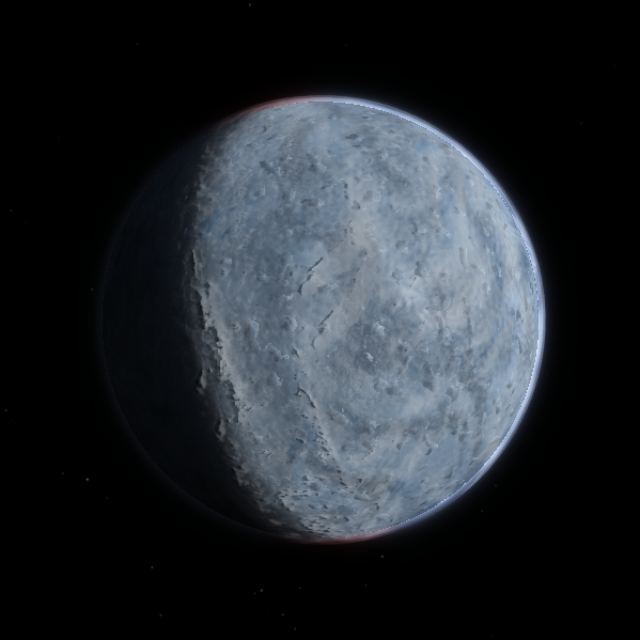
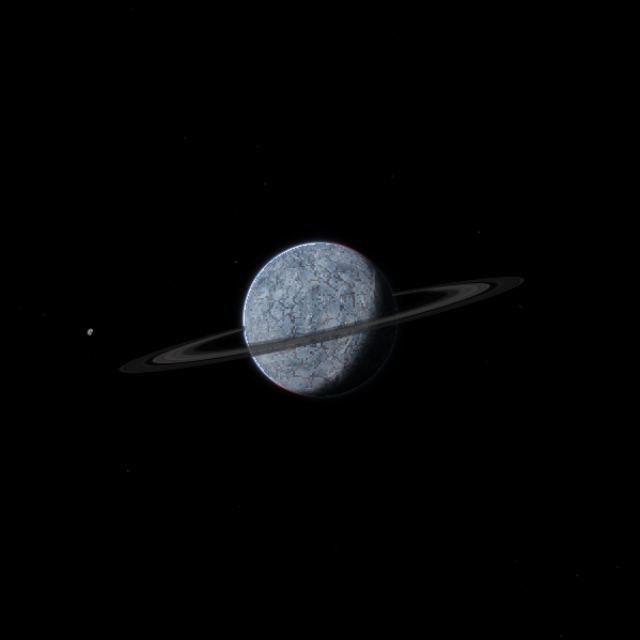
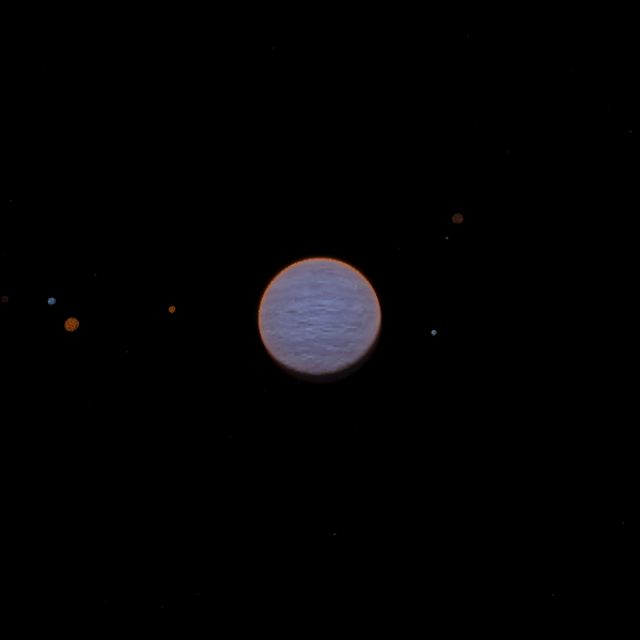
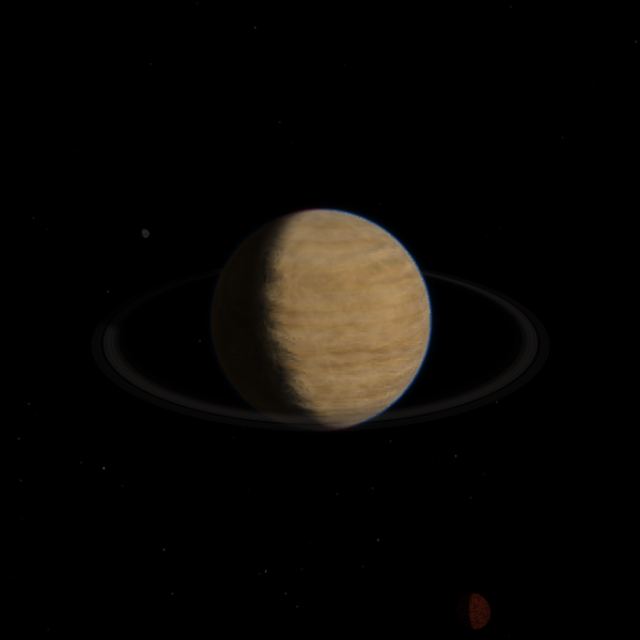
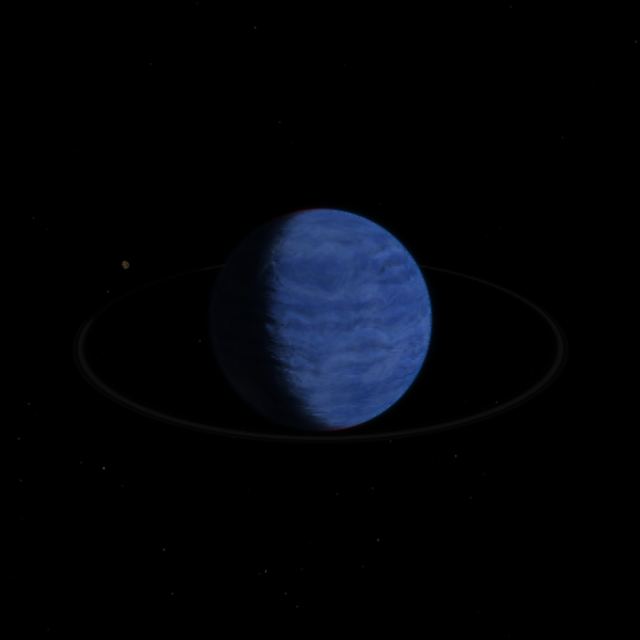
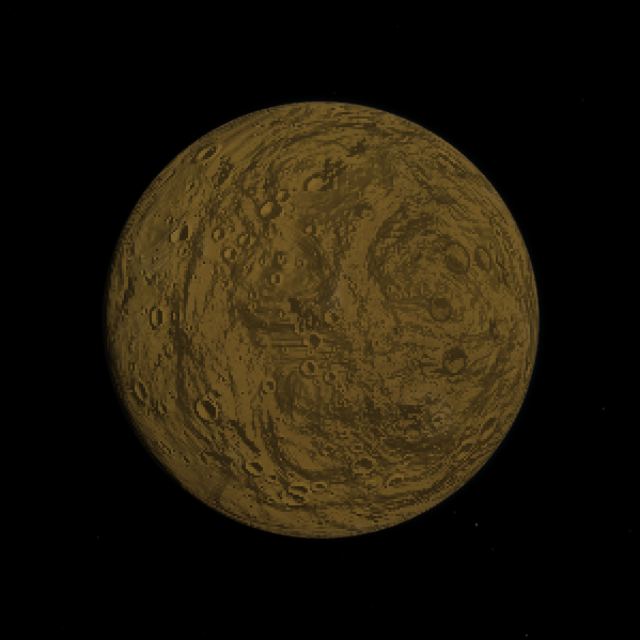
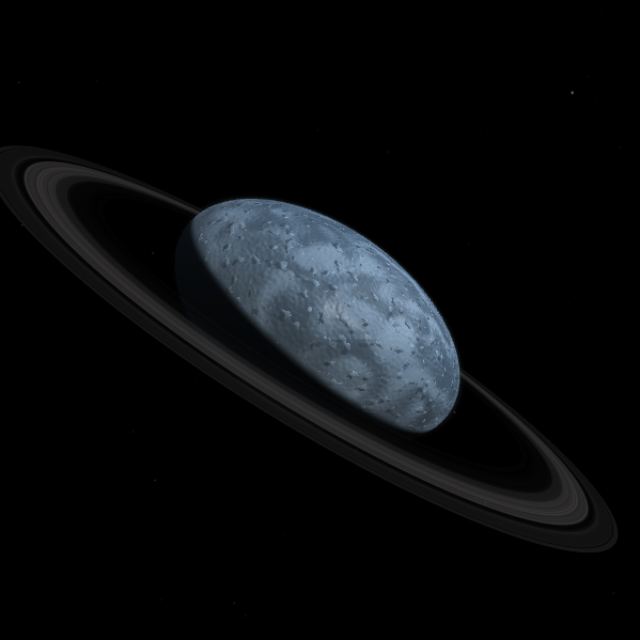
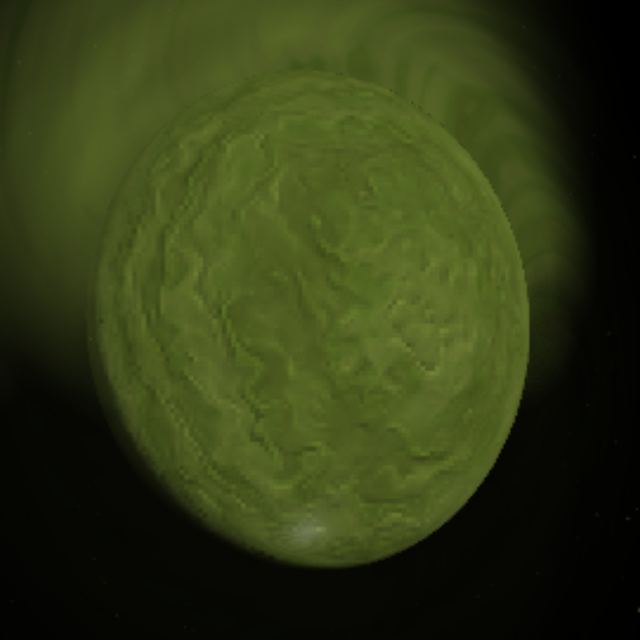
Habitable zoneDebris belt
Star and planets drawn to scale (a typical star of its class), with only the star's edge in view. Orbits spaced as in the star system view.
posedion's moons
2 moons
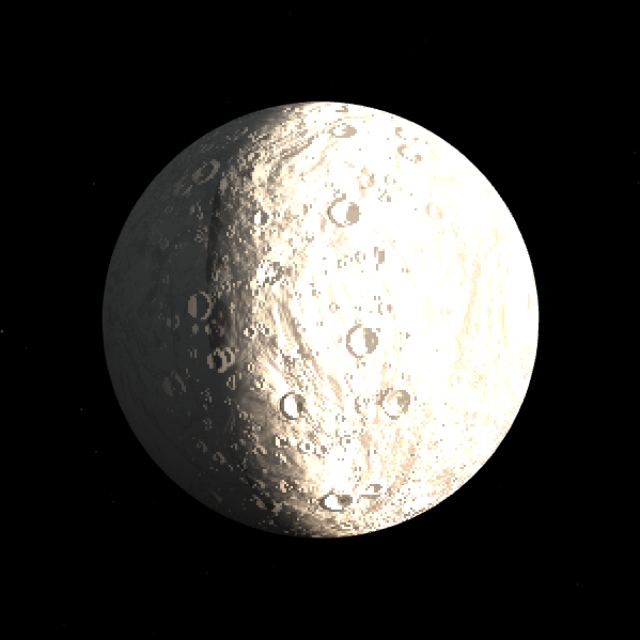
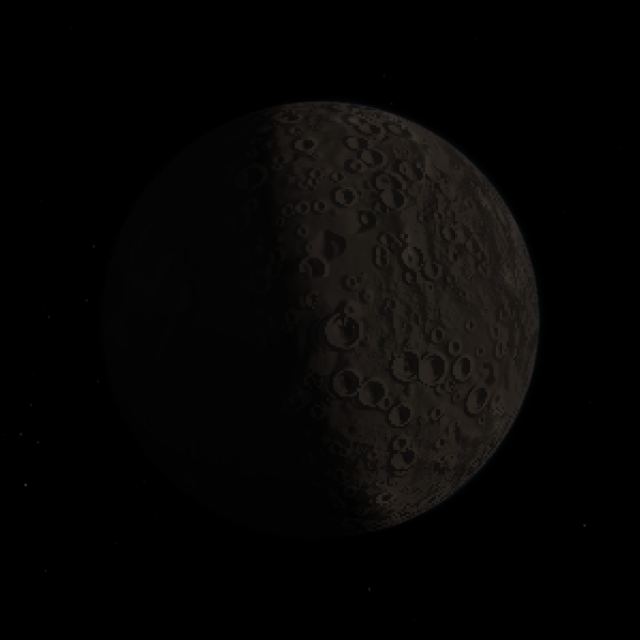
Moon 1Rock · 636,100 km
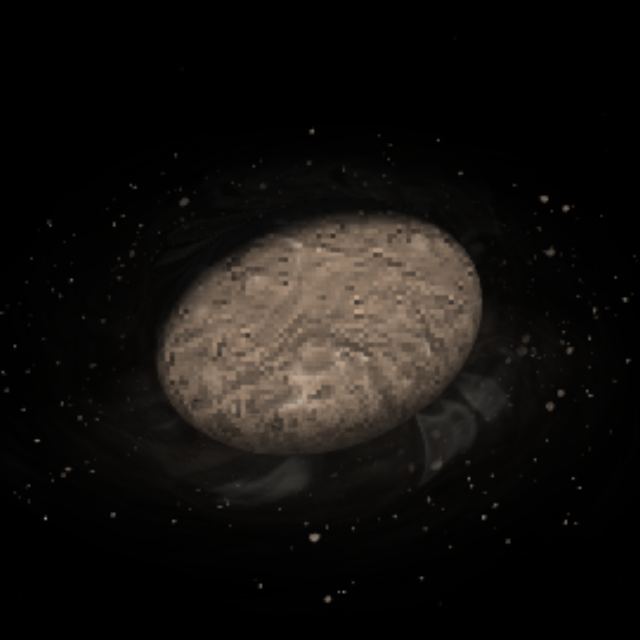
Moon 2Iron · 63,100 km
Planet, moons and orbits drawn to one scale; the smallest moons are enlarged so they can be seen.
a temperate planet with 2 moons
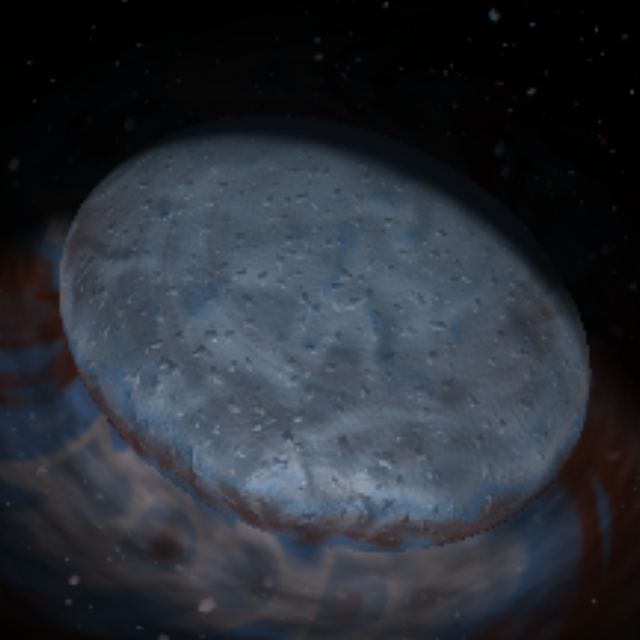
Surface. Rocky surface with impact craters, possible volcanic features
✓ Conditions could support life. This planet’s modelled conditions could support biological processes: stable temperatures, liquid water and the chemistry life as we know it needs. That makes life possible, not present.
Rocky Terrestrial
✦ Helios
Your planet is dominated by silicate (16.4%) and iron (8.2%) content, forming a rocky terrestrial body. Its hydrogen and oxygen stock collects as scattered seas across the rocky crust.Life possibleMagnetic FieldHigh Activity
Rocky terrestrial planets are primarily composed of silicate rocks and metals. They're the most common type of small planet in the universe.
Classification Criteria:
✓ Silicon: 16.4% + Iron: 8.2% + Magnesium: 0.0%✓ Mass: 1.2x Earth (terrestrial range)
Habitability ScoreHighly Habitable
Contributing Factors
water100
Abundant water
geology90
Active geology recycles nutrients and drives carbon cycle
rotation100
Optimal rotation period - balanced day/night cycle, moderate weather, and good heat distribution
Organic Chemistry80
Core organic elements (CHNO) present
atmosphere70
Thin CO₂ and nitrogen atmosphere
Nitrogen atmosphere provides protection but not breathabletemperature100
Optimal temperature range for liquid water and life
magnetic Field100
Magnetic field provides radiation protection
Physical Properties
Mass
1.20x Earth (7.17e+24 kg)Radius
1.06x Earth (6,770 km)Surface Gravity
1.06x Earth (10.4 m/s²)Surface Temperature
301 K (28 °C / 82 °F)Rotation Period
28.0 hours/day (slower than Earth)Elemental Composition
Closest Real Exoplanet
Teegarden's Star b87% similar
Orbiting Teegarden's Star| Yours | Teegarden's Star b | |
|---|---|---|
| Mass | 1.20 × Earth | 1.16 × Earth |
| Radius | 1.06 × Earth | 1.05 × Earth |
| Density (composition) | 5.49 g/cm³ | 5.52 g/cm³ |
| Temperature | 300.8 K | 277.0 K |
| Starlight received | 0.92 × Earth | 1.08 × Earth |
| Star temperature | 5,600 K | 3,034 K |
Moons
Moon 1recedingSilicate rock
Outside the synchronous orbit: slowly receding, like Luna (~cm per year).
Moon 2stableIron-rich rock
Small and distant: a quiet, stable companion.