Entering orbit…
AI assistant
Habitability
12/ 100
View planet
View star system
View surface
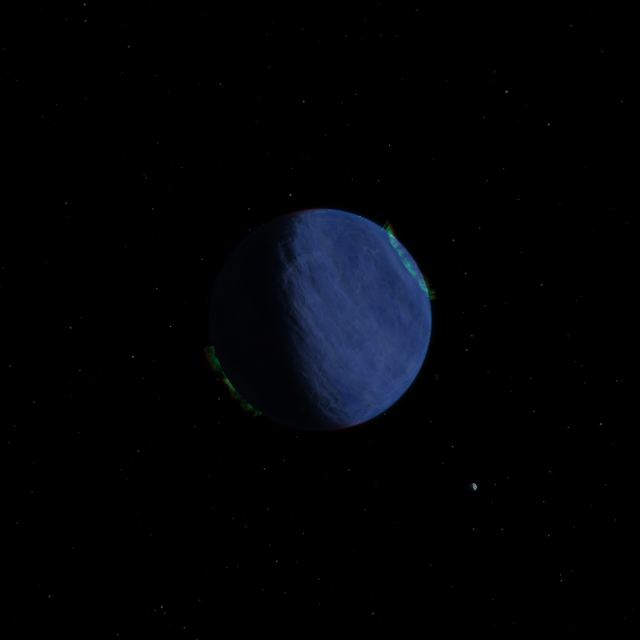
Beria A
- Mass
- 106.00 × Earth
- Radius
- 4.73 × Earth
- Gravity
- 4.73 g
- Surface
- 161 K
- Year
- 346 days
- Day
- 12.6 days
- Mass
- 106.00 × Earth
- Radius
- 4.73 × Earth
- Gravity
- 4.73 g
- Surface
- 161 K
- Year
- 346 days
- Day
- 12.6 days
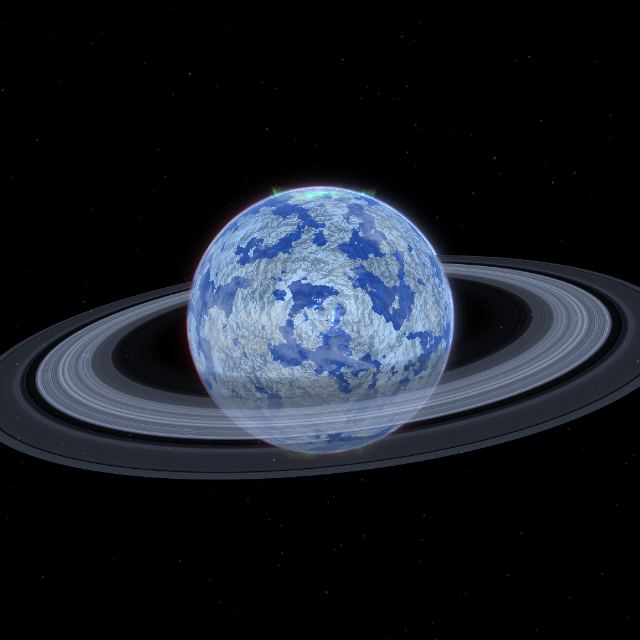
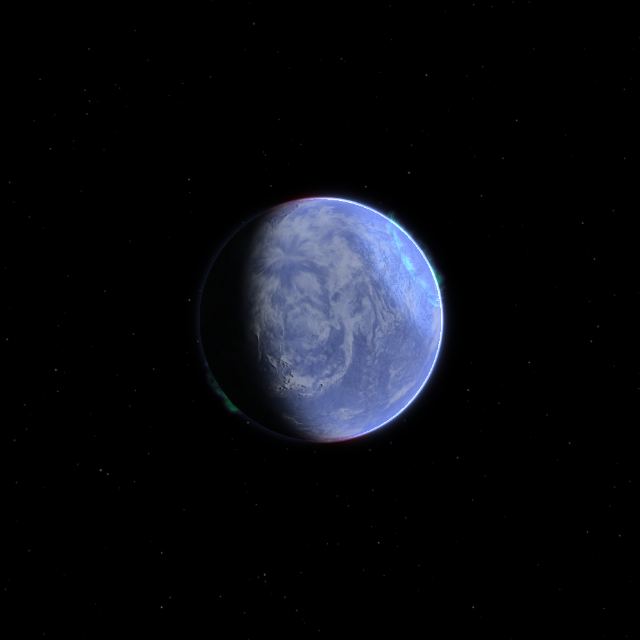
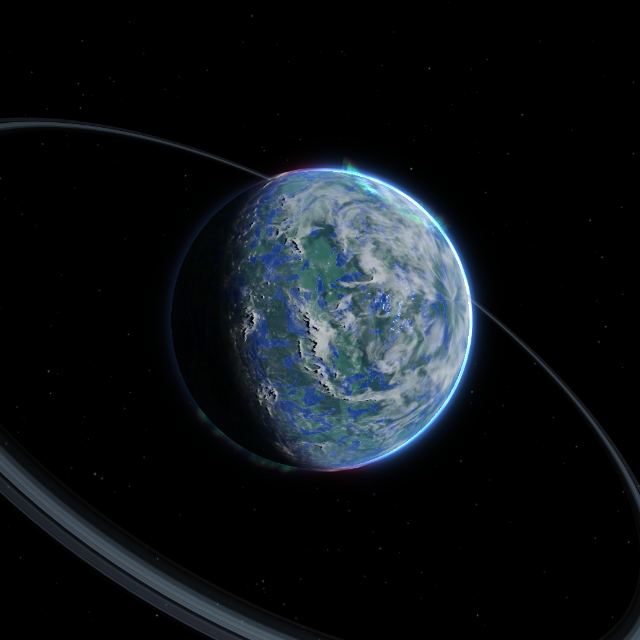
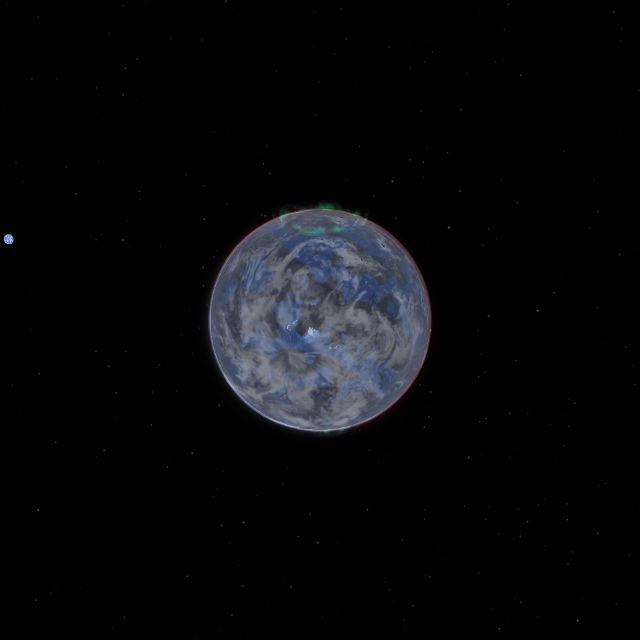
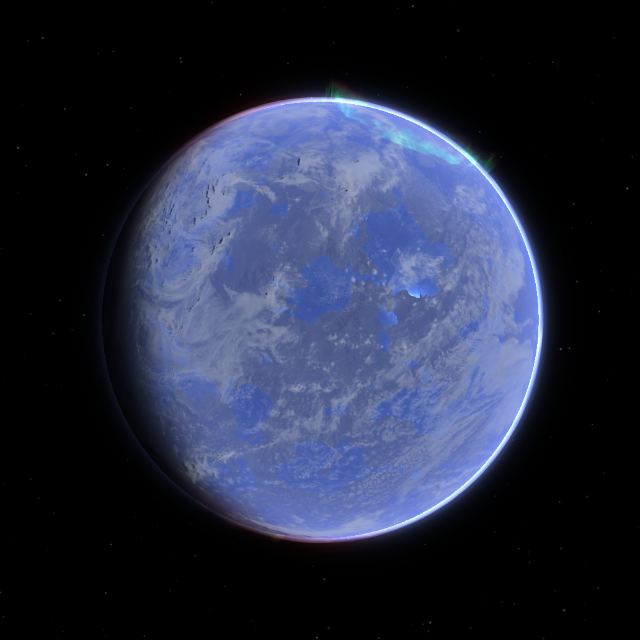
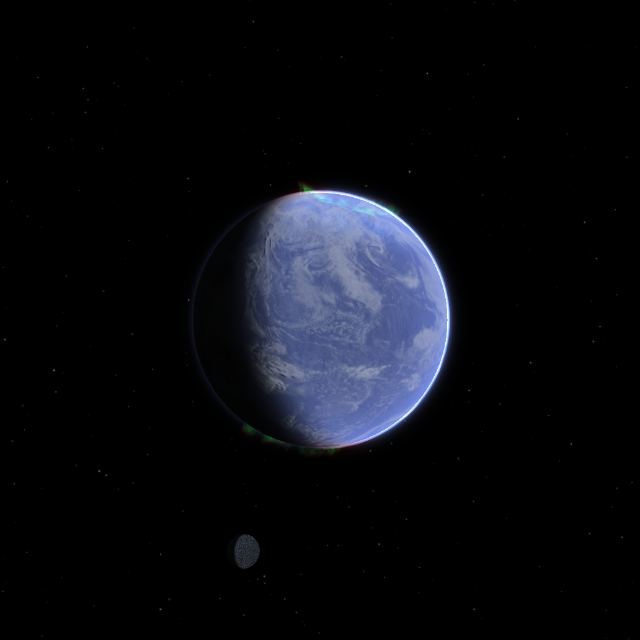
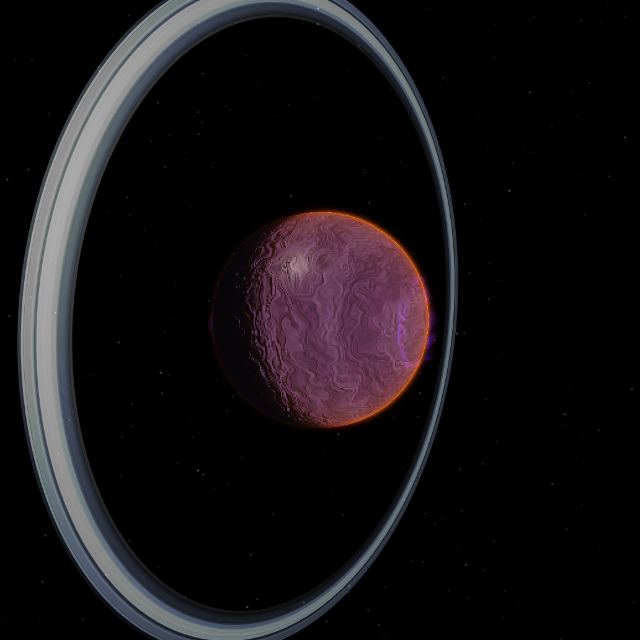 Beria A1.08 AUIce GiantYou are here
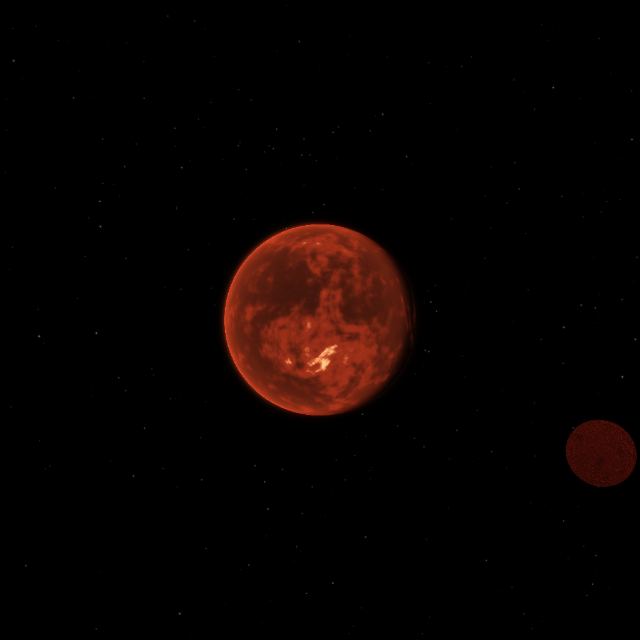
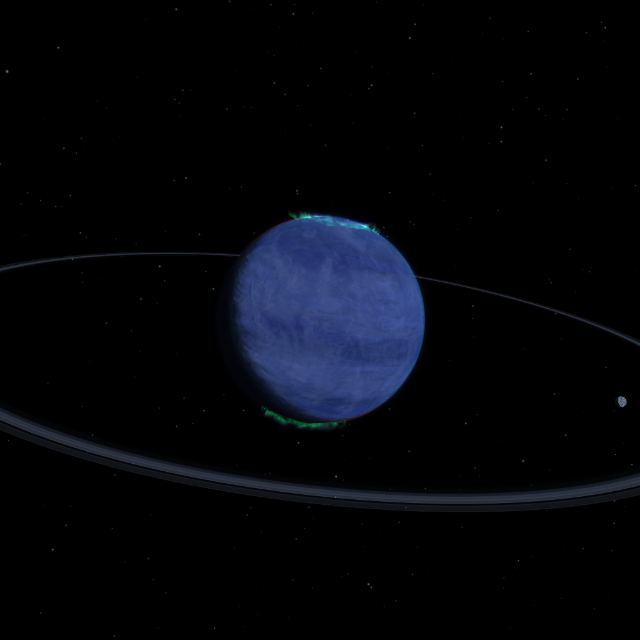
Habitable zone
Star and planets drawn to scale (a typical star of its class), with only the star's edge in view. Orbits spaced as in the star system view.
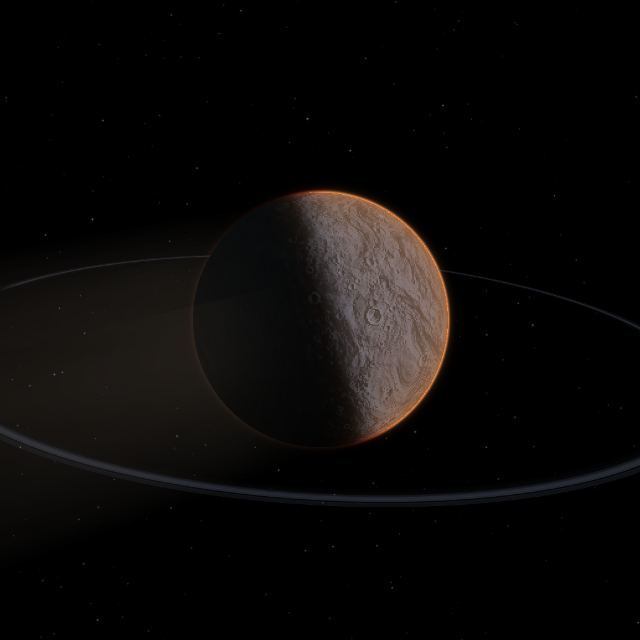
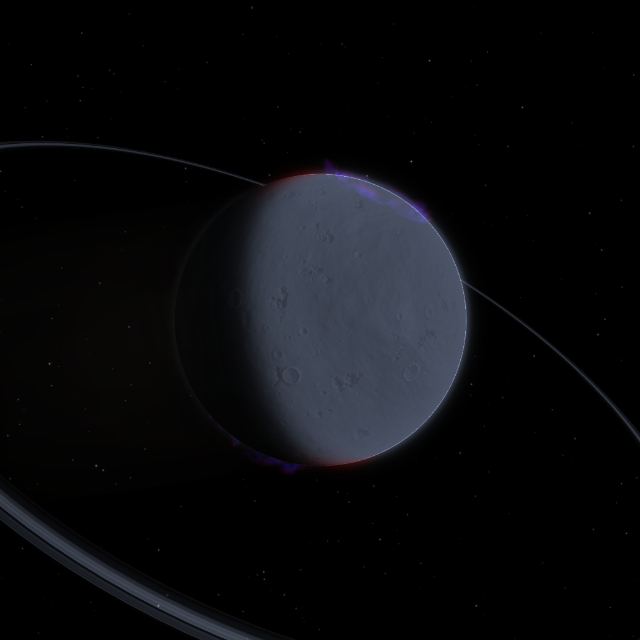
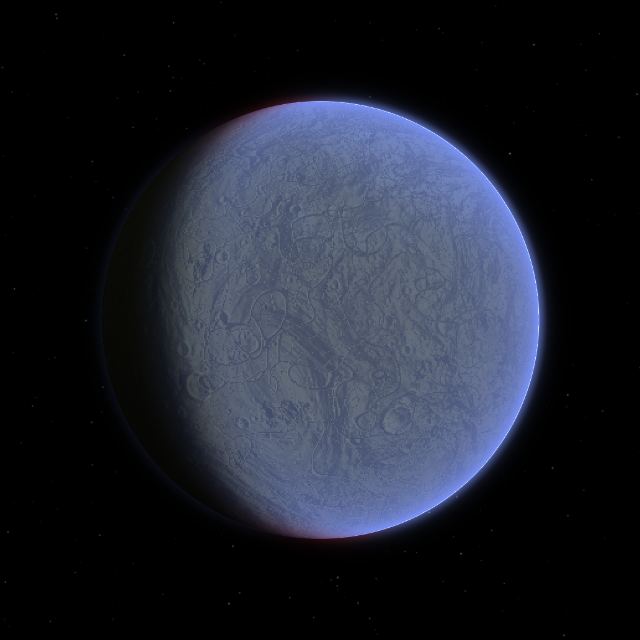
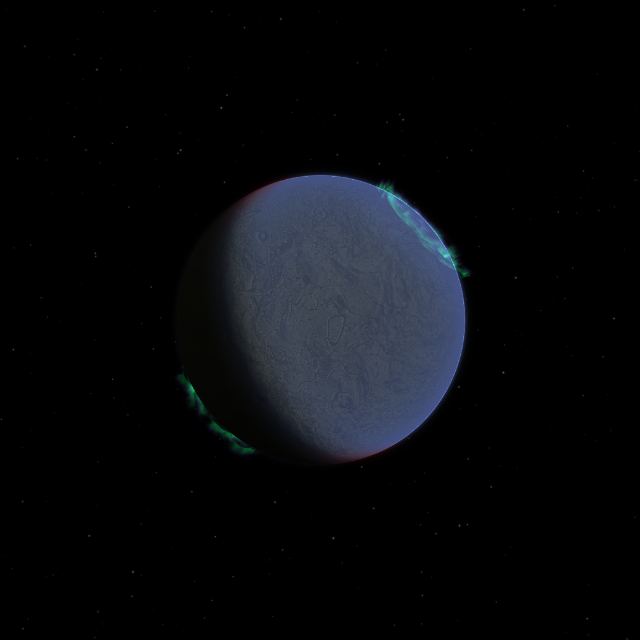
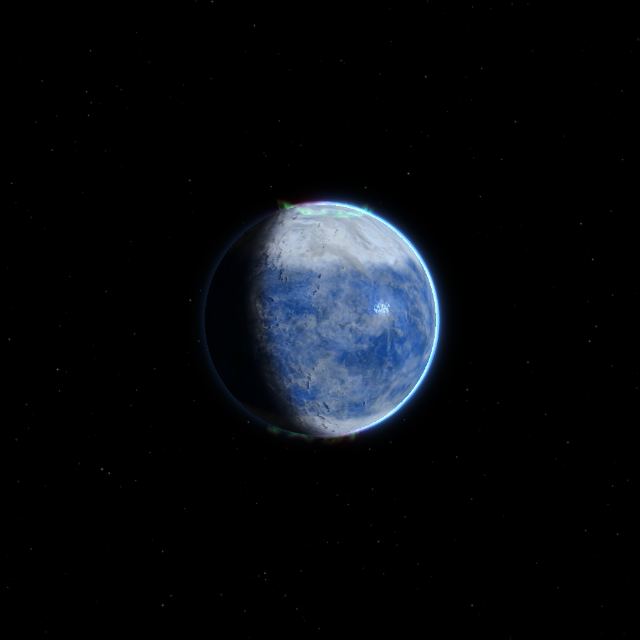
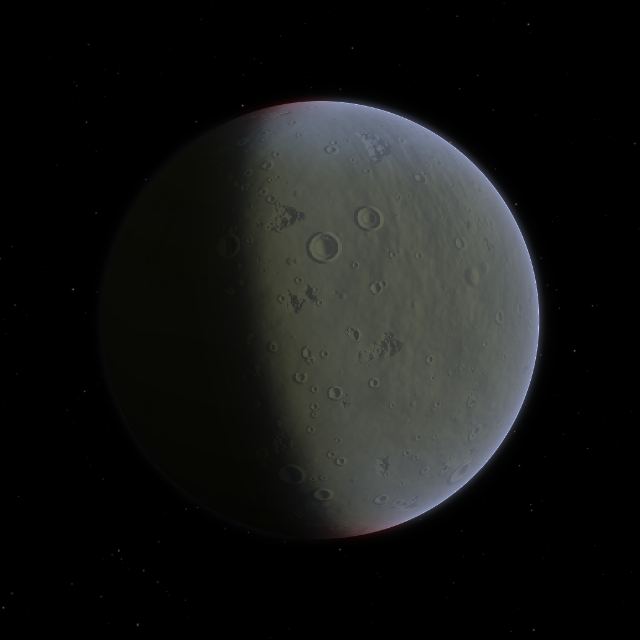
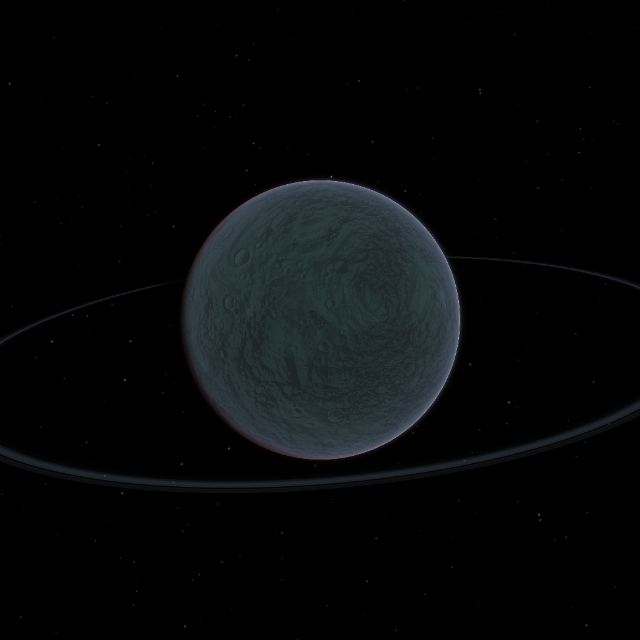
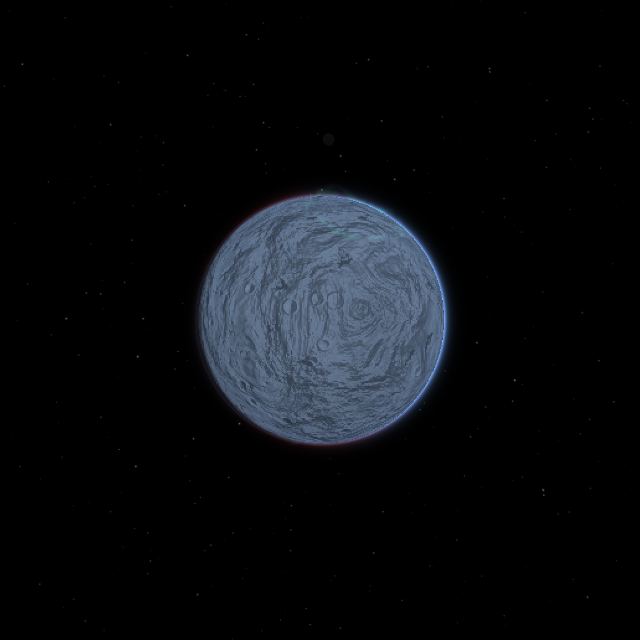
Beria A's moons
3 moons
Moon 1Hazy · 1,272,800 km
Moon 2Ice · 1,853,600 km
Moon 4Iron · 1,696,700 km
Planet, moons and orbits drawn to one scale; the smallest moons are enlarged so they can be seen.
Surface. No solid surface - a deep volatile envelope over a supercritical water mantle and hot-ice interior
Ice Giant
✦ Necàìo
Your planet has moderate mass (106.0x Earth) with significant water, carbon, and nitrogen content, characteristic of ice giants.Magnetic FieldExtreme Activity
Ice giants like Uranus and Neptune have icy interiors with thick atmospheres of hydrogen and helium, but not enough to be classified as gas giants.
Classification Criteria:
✓ Mass: 106.0x Earth (5-20x range)✓ Water/Carbon/Nitrogen rich composition
Habitability ScoreUninhabitable
Contributing Factors
water15
No solid surface — any water is locked in a supercritical mantle and hot ice, not oceans
geology40
Extreme volcanic activity may be hazardous
rotation30
Very slow rotation - days and nights each last several Earth days, bringing severe temperature swings
Organic Chemistry50
Carbon and hydrogen present - organic chemistry possible
atmosphere18
Hydrogen and helium with water, methane, and ammonia ices
Hydrogen-rich atmosphere typical of gas giants (partially stripped by slow rotation)temperature20
Very cold - water frozen, challenging for life (strong seasons from a 55° tilt: −5% habitability)
magnetic Field100
Magnetic field provides radiation protection
Physical Properties
Mass
106.00x Earth (6.33e+26 kg)Radius
4.73x Earth (30,152 km)Surface Gravity
4.73x Earth (46.4 m/s²)Surface Temperature
161 K (-112 °C / -170 °F)Rotation Period
303.0 hours/day (slower than Earth)Elemental Composition
Closest Real Exoplanet
HIP 38594 c64% similar
Orbiting HIP 38594| Yours | HIP 38594 c | |
|---|---|---|
| Mass | 106.0 × Earth | 48.4 × Earth |
| Radius | 7.15 × Earth | 7.94 × Earth |
| Density (composition) | 1.60 g/cm³ | 0.53 g/cm³ |
| Temperature | 160.7 K | 80.0 K |
| Starlight received | 0.01 × Earth | 0.01 × Earth |
| Star temperature | — | 4,086 K |
Moons
Moon 1stableHazy atmosphere
Small and distant: a quiet, stable companion.
Cold and massive enough to hold its nitrogen and methane as a thick haze (Titan-like).
Moon 2stableWater ice
Small and distant: a quiet, stable companion.
Moon 3merged
Merged with an adjacent moon: too close for both to hold a stable orbit.
Moon 4stableIron-rich rock
Small and distant: a quiet, stable companion.