Entering orbit…
AI assistant
Habitability
7/ 100
View planet
View star system
View surface
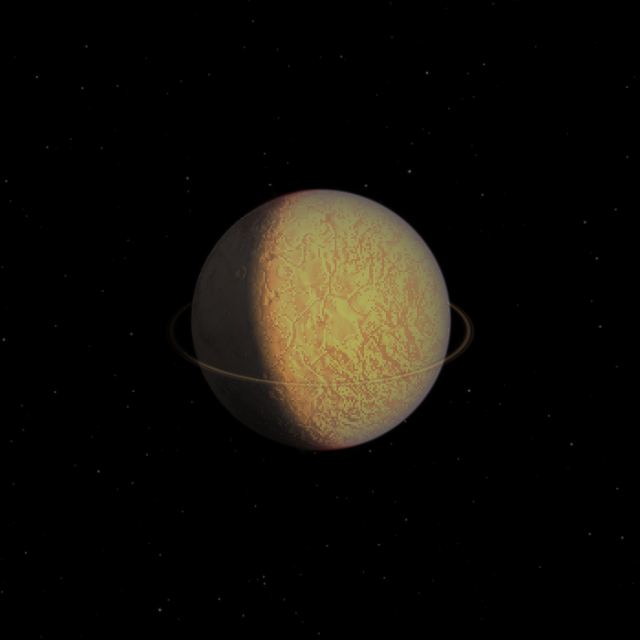
EBEJ-826z
- Mass
- 1.00 × Earth
- Radius
- 1.00 × Earth
- Gravity
- 1.00 g
- Surface
- 393 K
- Year
- 21.1 days
- Day
- 24.0 hrs
- Mass
- 1.00 × Earth
- Radius
- 1.00 × Earth
- Gravity
- 1.00 g
- Surface
- 393 K
- Year
- 21.1 days
- Day
- 24.0 hrs
EBEJ-826z0.10 AURocky TerrestrialYou are here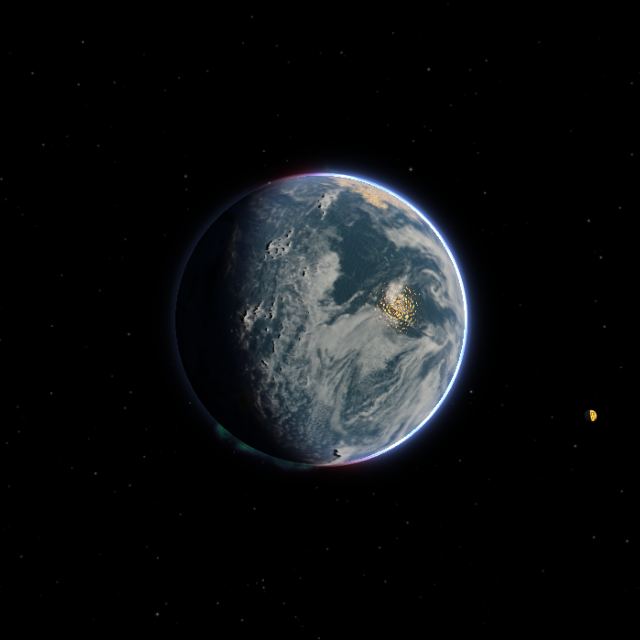
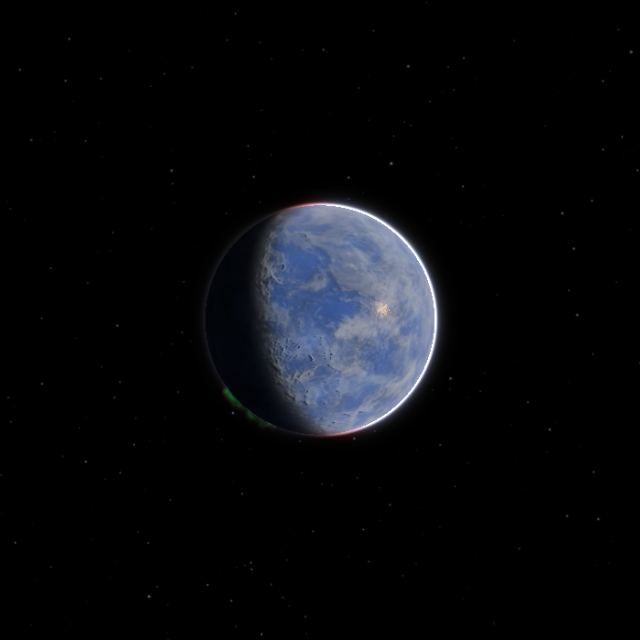
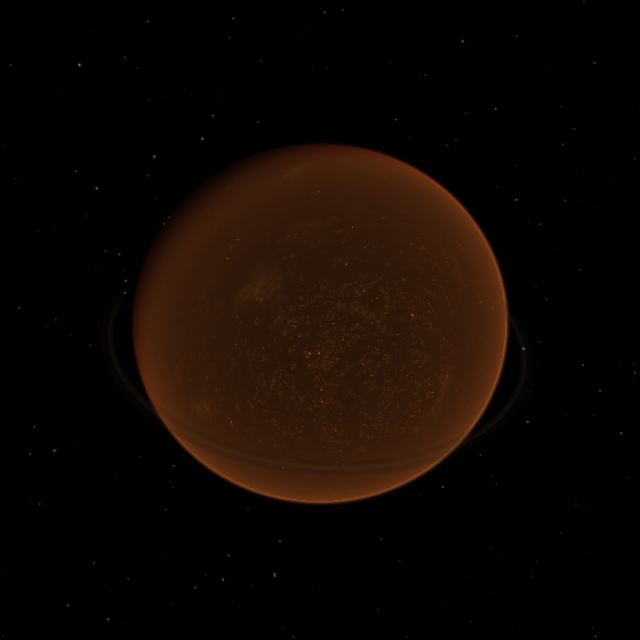
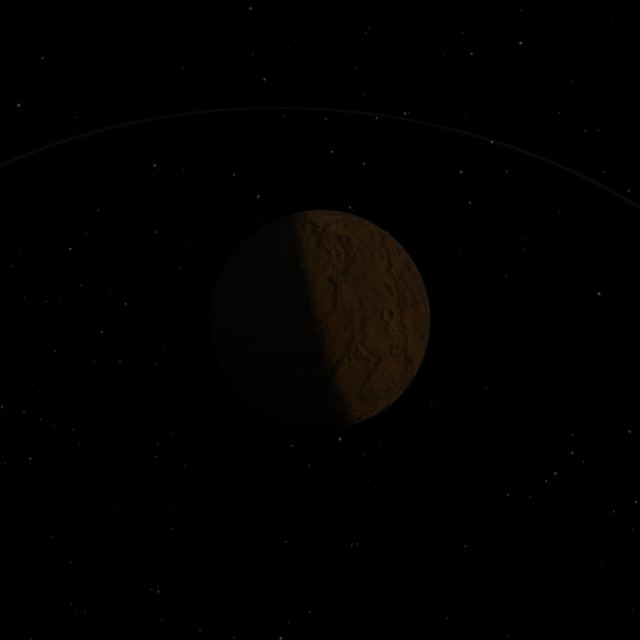
Habitable zone
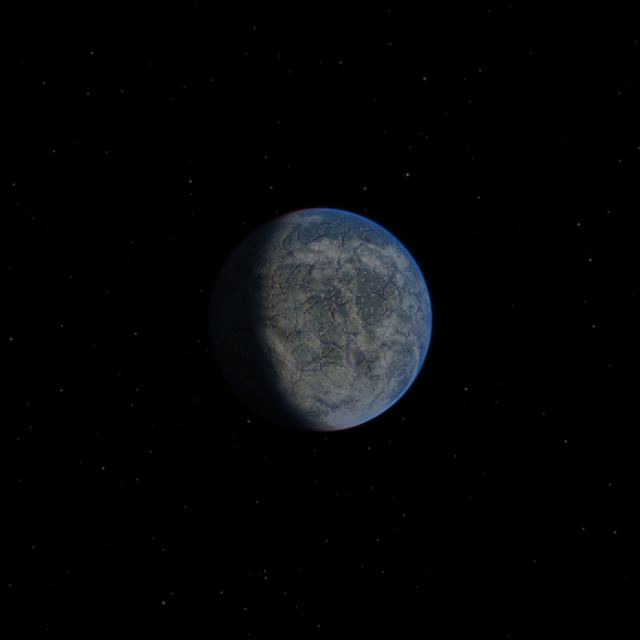
Star and planets drawn to scale (a typical star of its class), with only the star's edge in view. Orbits spaced as in the star system view.
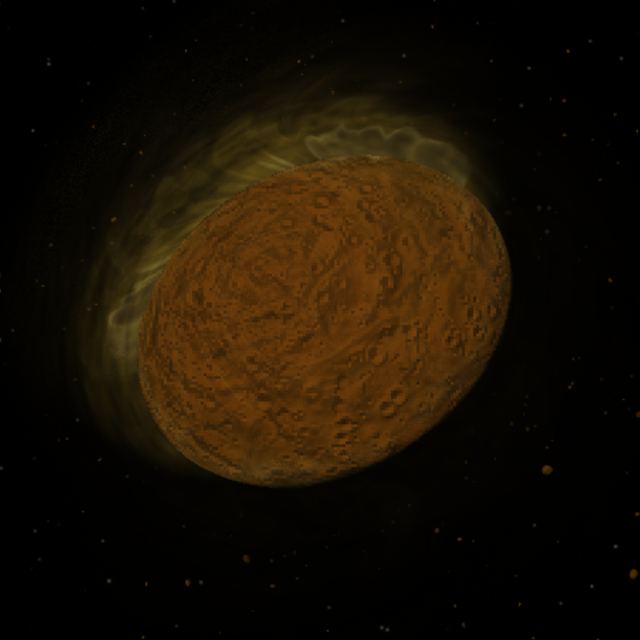
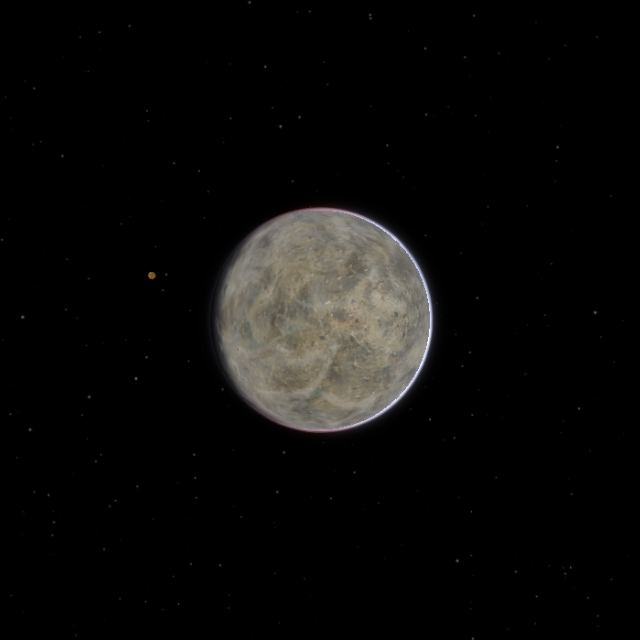
EBEJ-826z's moons
1 moon
Moon 1Carbon · 89,400 km
Planet, moons and orbits drawn to one scale; the smallest moons are enlarged so they can be seen.
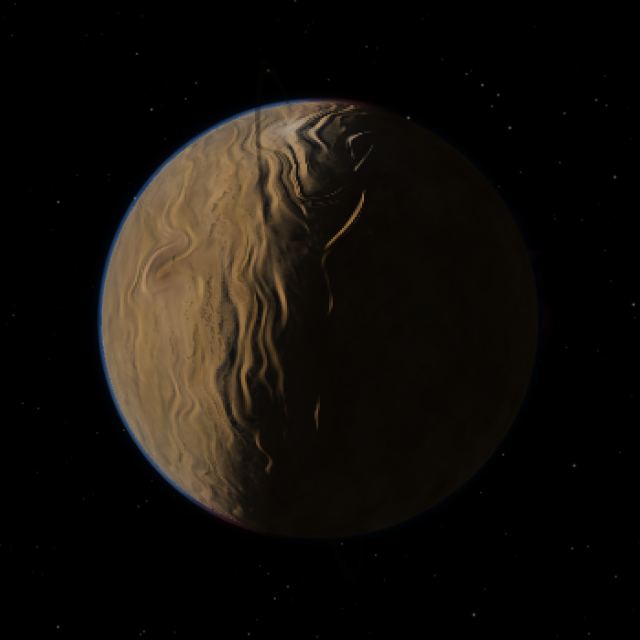
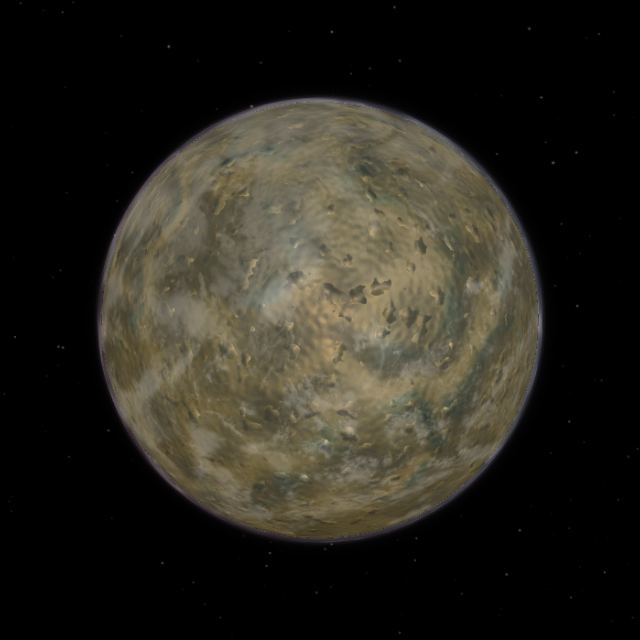
Salt world near the star. Seems like its mercury out of salt.
Surface. Rocky surface with impact craters, possible volcanic features
Rocky Terrestrial
✦ ENJS-8276-Z72
Your planet is dominated by silicate (3.4%) and iron (11.2%) content, forming a rocky terrestrial body.Magnetic FieldHigh Activity
Rocky terrestrial planets are primarily composed of silicate rocks and metals. They're the most common type of small planet in the universe.
Classification Criteria:
✓ Silicon: 3.4% + Iron: 11.2% + Magnesium: 0.0%✓ Mass: 1.0x Earth (terrestrial range)
Habitability ScoreUninhabitable
Contributing Factors
water18
Very dry - minimal water - likely as steam
geology90
Active geology recycles nutrients and drives carbon cycle
rotation100
Optimal rotation period - balanced day/night cycle, moderate weather, and good heat distribution
Organic Chemistry29
Carbon and hydrogen present - organic chemistry possible - chlorine-laced environment attacks organic molecules (tidal pools cycle wet and dry - a boost for prebiotic chemistry) — but the ground itself is radioactive, and no magnetic field shields a world from its own crust
atmosphere35
Thin CO₂ atmosphere
Dense CO₂ atmosphere with extreme greenhouse effecttemperature40
Extreme temperature - very difficult for life
magnetic Field100
Magnetic field provides radiation protection
Physical Properties
Mass
1.00x Earth (5.97e+24 kg)Radius
1.00x Earth (6,371 km)Surface Gravity
1.00x Earth (9.8 m/s²)Surface Temperature
393 K (120 °C / 248 °F)Rotation Period
24.0 hours/dayElemental Composition
Closest Real Exoplanet
GJ 1061 b97% similar
Orbiting GJ 1061| Yours | GJ 1061 b | |
|---|---|---|
| Mass | 1.00 × Earth | 1.11 × Earth |
| Radius | 1.01 × Earth | 1.04 × Earth |
| Density (composition) | 5.30 g/cm³ | 5.44 g/cm³ |
| Temperature | 393.2 K | 388.0 K |
| Starlight received | 4.00 × Earth | 3.80 × Earth |
| Star temperature | 3,050 K | 2,953 K |
Moons
Moon 1stableCarbon-rich
Small and distant: a quiet, stable companion.
Moon 2rings
Inside the Roche limit (2.80 planet radii): torn apart into a ring system.
+4 chemistry: tidal pools cycle wet and dry - a boost for prebiotic chemistry