2,213 real sub-neptunes
Confirmed exoplanets that come out as sub-neptunes when TerraForge builds them from NASA’s measurements — real mass, real orbit, real star, and this simulation’s own verdict on what that produces. Showing 61–120, most habitable first (page 2 of 37).
- 36
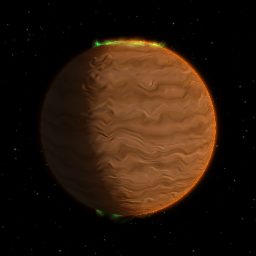 Kepler-196 dSub-NeptuneK-type (Orange)
 - 36
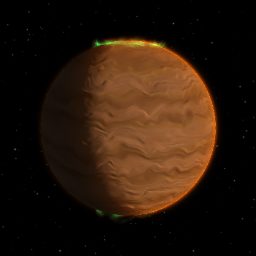 Kepler-1881 bSub-NeptuneK-type (Orange)
 - 36
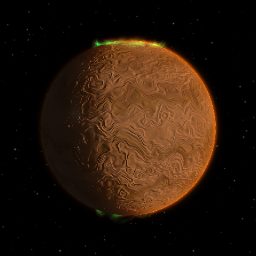 TOI-712 dSub-NeptuneK-type (Orange)
 - 36
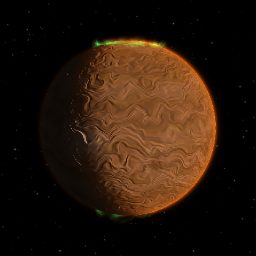 HD 48948 dSub-NeptuneK-type (Orange)
 - 36
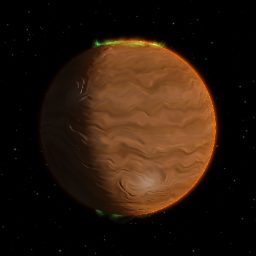 Kepler-289 eSub-NeptuneG-type (Yellow (Sun-like))
 - 36
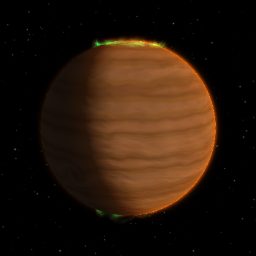 GJ 536 cSub-NeptuneM-type (Red Dwarf)
 - 36
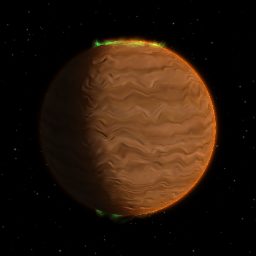 Gliese 48 bSub-NeptuneM-type (Red Dwarf)
 - 36
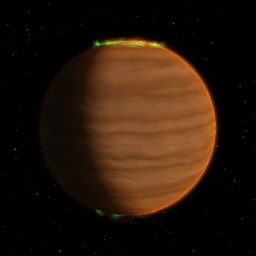 GJ 887 dSub-NeptuneM-type (Red Dwarf)
GJ 887 d is the second-closest planet known to orbit within its star's habitable zone, after Proxima Centauri b.
Learn more about GJ 887 d - 36
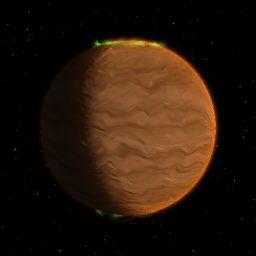 Kepler-22 bSub-NeptuneG-type (Yellow (Sun-like))
In December 2011, Kepler-22 b became the first planet NASA's Kepler mission confirmed in the habitable zone of a Sun-like star.
Learn more about Kepler-22 b - 36
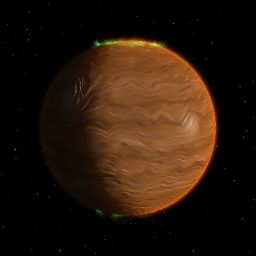 Kepler-283 cSub-NeptuneK-type (Orange)
Kepler-283 c is a planet about 1.8 times Earth's width orbiting an orange dwarf star about 1,500 light-years away, at a distance where it receives about 95 percent of…
Learn more about Kepler-283 c - 36
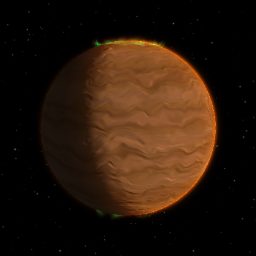 Kepler-69 cSub-NeptuneG-type (Yellow (Sun-like))
 - 36
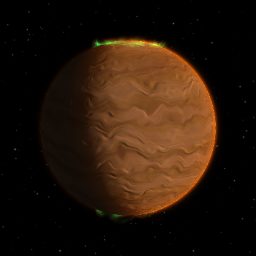 Kepler-155 cSub-NeptuneK-type (Orange)
Kepler-155 c is a planet about twice Earth's width, probably in the habitable zone of a cool star about 950 light-years away.
Learn more about Kepler-155 c - 36
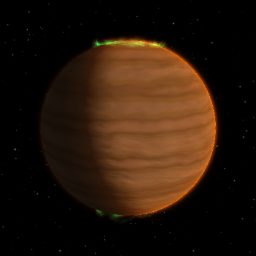 Kepler-298 dSub-NeptuneK-type (Orange)
 - 36
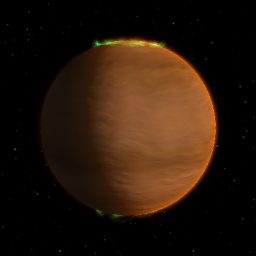 TOI-1752 cSub-NeptuneK-type (Orange)
 - 36
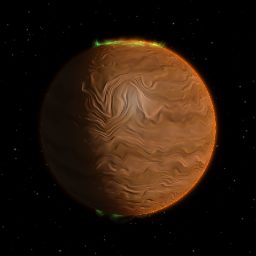 Kepler-1410 bSub-NeptuneK-type (Orange)
Kepler-1410 b is a planet about 1.8 times Earth's width orbiting an orange dwarf star about 1,200 light-years away.
Learn more about Kepler-1410 b - 36
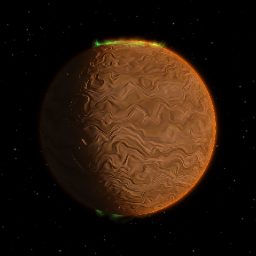 TOI-2094 bSub-NeptuneM-type (Red Dwarf)
TOI-2094 b is a planet about 1.9 times Earth's width in the habitable zone of a red dwarf about 160 light-years away.
Learn more about TOI-2094 b - 36
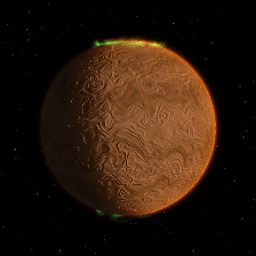 Kepler-436 bSub-NeptuneK-type (Orange)
 - 36
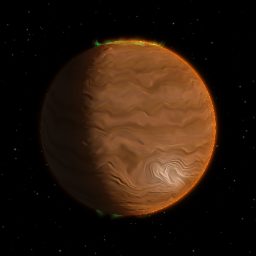 Kepler-1638 bSub-NeptuneG-type (Yellow (Sun-like))
Kepler-1638 b is a planet about 1.9 times Earth's width orbiting a Sun-like star about 5,000 light-years away.
Learn more about Kepler-1638 b - 36
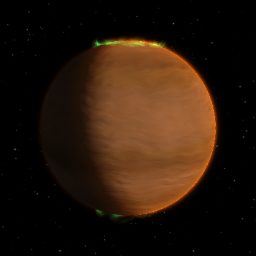 Kepler-1653 bSub-NeptuneK-type (Orange)
Kepler-1653 b is a planet about 2.2 times Earth's width orbiting an orange dwarf star about 2,500 light-years away, in or near its habitable zone, the range of distances…
Learn more about Kepler-1653 b - 36
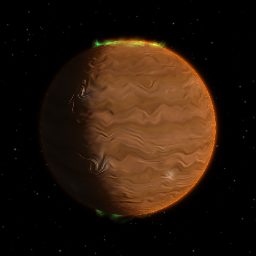 Kepler-1593 bSub-NeptuneK-type (Orange)
 - 36
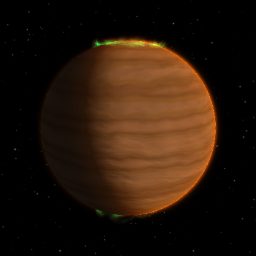 Kepler-1455 bSub-NeptuneK-type (Orange)
 - 36
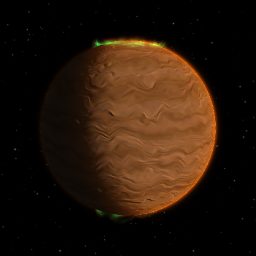 GJ 180 cSub-NeptuneM-type (Red Dwarf)
GJ 180 c is a proposed super-Earth whose existence has been questioned.
Learn more about GJ 180 c - 36
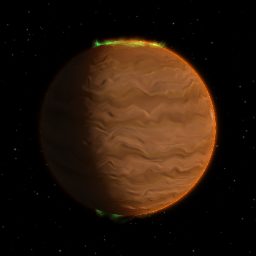 GJ 422 bSub-NeptuneM-type (Red Dwarf)
 - 36
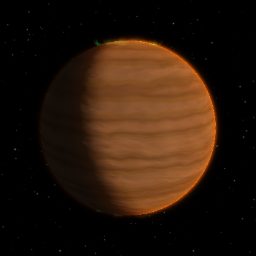 Kepler-452 bSub-NeptuneG-type (Yellow (Sun-like))
In July 2015, NASA announced Kepler-452 b as the first near-Earth-size planet found in the habitable zone of a Sun-like star.
Learn more about Kepler-452 b - 28
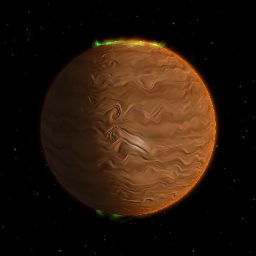 K2-123 bSub-NeptuneK-type (Orange)
 - 28
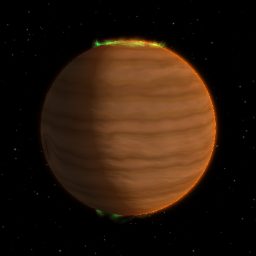 Kepler-1101 bSub-NeptuneG-type (Yellow (Sun-like))
 - 28
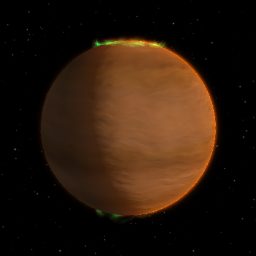 Kepler-1684 bSub-NeptuneK-type (Orange)
 - 28
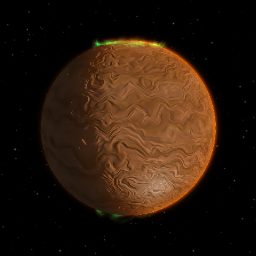 Kepler-1058 bSub-NeptuneK-type (Orange)
 - 28
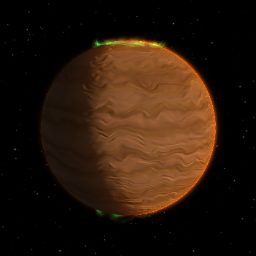 Kepler-1678 bSub-NeptuneG-type (Yellow (Sun-like))
 - 28
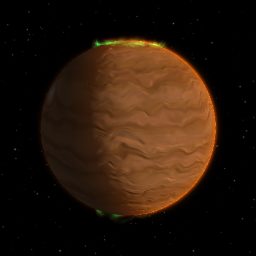 GJ 676 A eSub-NeptuneK-type (Orange)
 - 28
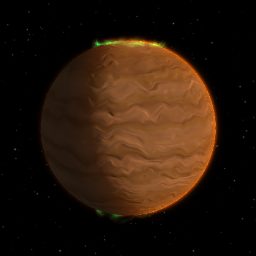 Kepler-1849 bSub-NeptuneK-type (Orange)
 - 28
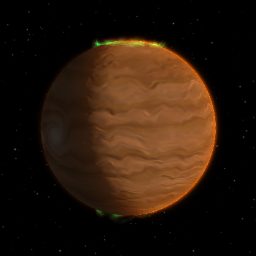 Kepler-1036 bSub-NeptuneG-type (Yellow (Sun-like))
 - 28
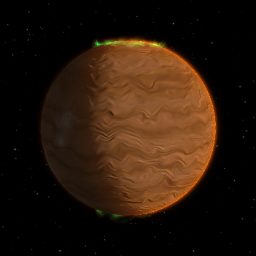 Kepler-230 cSub-NeptuneG-type (Yellow (Sun-like))
 - 28
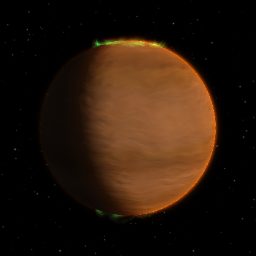 GJ 251 cSub-NeptuneM-type (Red Dwarf)
GJ 251 c is a candidate super-Earth in the habitable zone of GJ 251, a red dwarf about 18 light-years away.
Learn more about GJ 251 c - 28
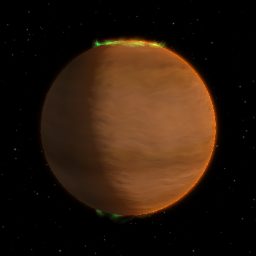 Kepler-1718 bSub-NeptuneG-type (Yellow (Sun-like))
 - 28
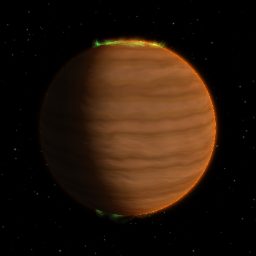 Kepler-296 fSub-NeptuneK-type (Orange)
Kepler-296 f is the outermost of five planets around Kepler-296, a pair of red dwarfs about 550 light-years away, and the coolest.
Learn more about Kepler-296 f - 28
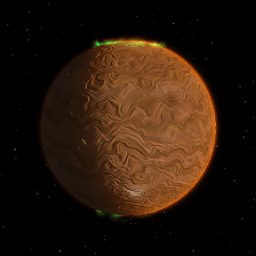 GJ 887 cSub-NeptuneM-type (Red Dwarf)
GJ 887 c is a super-Earth, a planet heavier than Earth but lighter than Neptune, orbiting the brightest red dwarf in our sky, about 10.7 light-years away.
Learn more about GJ 887 c - 28
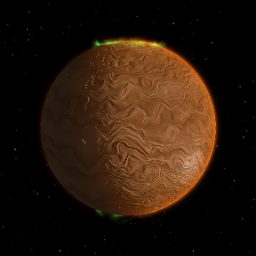 Kepler-236 cSub-NeptuneK-type (Orange)
 - 28
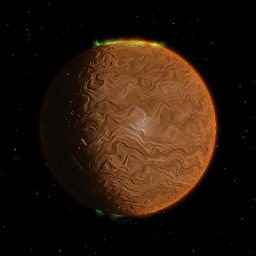 Kepler-174 dSub-NeptuneK-type (Orange)
 - 28
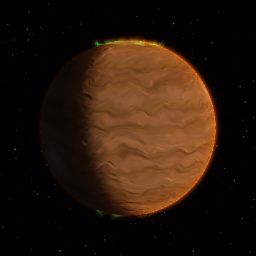 Kepler-1634 bSub-NeptuneG-type (Yellow (Sun-like))
 - 28
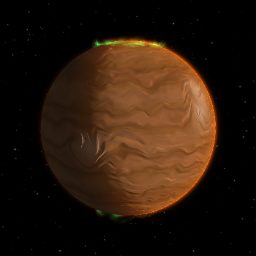 Kepler-411 dSub-NeptuneK-type (Orange)
 - 28
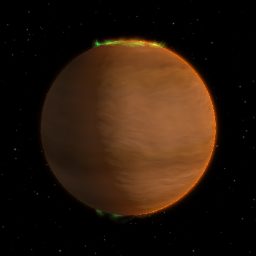 K2-240 cSub-NeptuneK-type (Orange)
 - 28
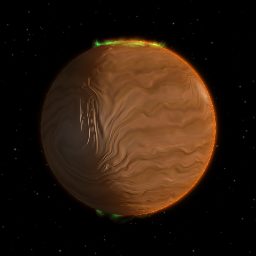 Kepler-1333 bSub-NeptuneG-type (Yellow (Sun-like))
 - 28
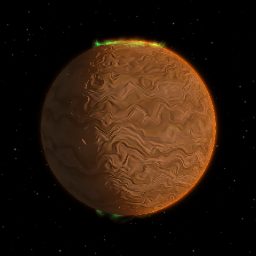 Kepler-987 bSub-NeptuneG-type (Yellow (Sun-like))
 - 28
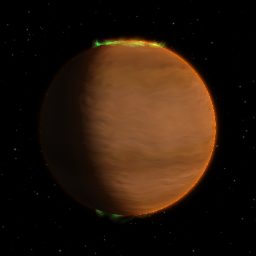 GJ 357 dSub-NeptuneM-type (Red Dwarf)
 - 28
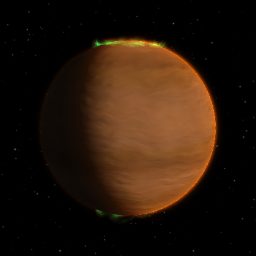 55 Cnc B cSub-NeptuneM-type (Red Dwarf)
 - 28
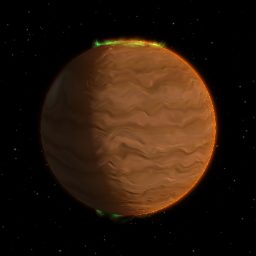 Kepler-51 dSub-NeptuneF-type (White)
 - 28
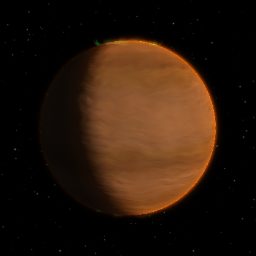 HD 20794 fSub-NeptuneG-type (Yellow (Sun-like))
 - 28
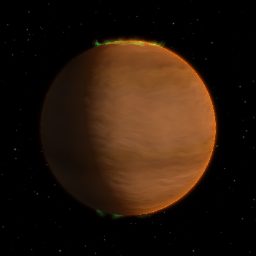 TOI-1806.01Sub-NeptuneM-type (Red Dwarf)
 - 28
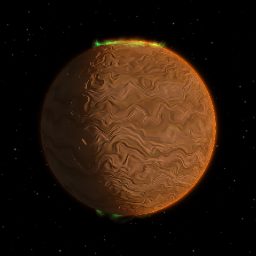 Kepler-344 cSub-NeptuneG-type (Yellow (Sun-like))
 - 28
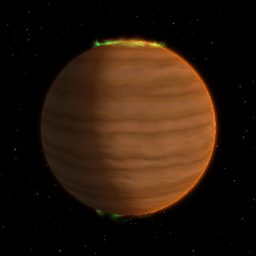 Kepler-786 bSub-NeptuneK-type (Orange)
 - 28
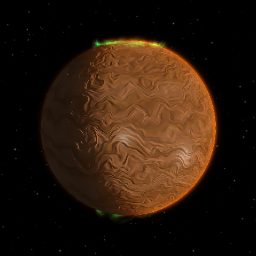 Kepler-139 cSub-NeptuneG-type (Yellow (Sun-like))
 - 28
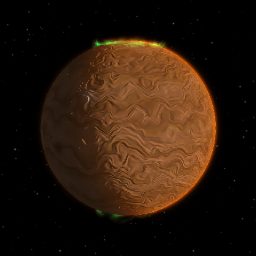 Kepler-310 dSub-NeptuneG-type (Yellow (Sun-like))
 - 28
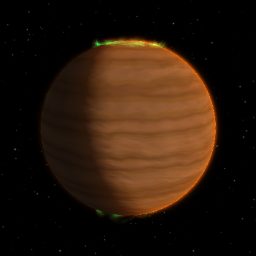 Kepler-1052 cSub-NeptuneG-type (Yellow (Sun-like))
 - 28
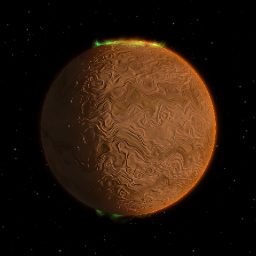 Kepler-1020 bSub-NeptuneG-type (Yellow (Sun-like))
 - 28
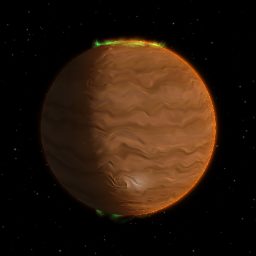 Kepler-985 bSub-NeptuneG-type (Yellow (Sun-like))
 - 28
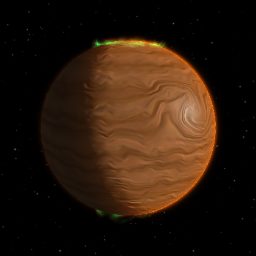 Kepler-610 cSub-NeptuneG-type (Yellow (Sun-like))
 - 28
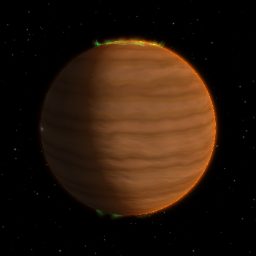 TOI-1266 cSub-NeptuneM-type (Red Dwarf)
 - 28
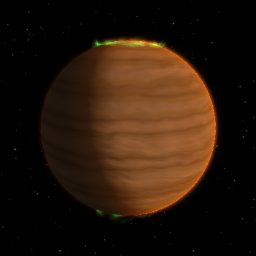 K2-264 cSub-NeptuneM-type (Red Dwarf)
 - 28
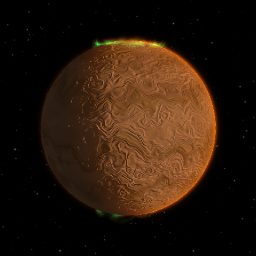 HD 40307 fSub-NeptuneK-type (Orange)